In an era where effective communication drives success, how can customizable telephony solutions revolutionize your network’s efficiency? Grandstream’s innovative IP phones, especially the versatile GRP series, are transforming traditional systems into scalable, cloud-managed powerhouses. These devices offer high-definition audio, programmable keys, and extensive customization, streamlining workflows and reducing operational complexity. With centralized management platforms like GDMS, deploying and monitoring thousands of devices across multiple locations becomes effortless, enabling rapid expansion and seamless updates. The shift from landlines to internet-based VoIP not only cuts costs but also fosters a flexible, remote-ready workforce. Yet, this evolution introduces challenges in network performance and security—demands for robust Quality of Service (QoS) and encryption protocols. Can your organization harness these advanced solutions to build resilient, secure, and adaptive communication networks that propel growth, boost collaboration, and keep you ahead in a rapidly connected world? The future of business communication is here—are you ready to embrace it?
Elevate Your Business Communications with FiberConX’s VoIP Solutions in Canada
Discover the power of advanced VoIP and IP business phone services with FiberConX Communications in Canada. Our solutions feature robust functionalities such as voicemail, IVR, ring groups, and voicemail-to-mail, ensuring seamless communication for your team. For enhanced device compatibility, consider the Grandstream GXP2170, renowned for its reliability and rich feature set. FiberConX is dedicated to helping businesses optimize their communication channels, providing scalable and cost-effective solutions tailored to your needs. Reach out to us at [email protected] or call 1.800.961.6856 to learn more about how our services can transform your business communications.
Unlock the Power of Customizable Telephony for Business Success
In today’s fast-moving business environment, effective communication isn’t just a convenience—it’s a core driver of success. Companies need systems that can keep pace with growth, support remote teams, and adapt to evolving workflows. Modern telephony solutions have shifted from simple landlines to sophisticated, internet-based platforms that are both flexible and scalable. This evolution allows organizations to craft communication networks tailored precisely to their unique needs, rather than relying on generic, one-size-fits-all systems.
Customization in business communication isn’t just about adding features; it’s about designing a system that aligns with your operational priorities. Whether prioritizing certain call types, integrating with customer management tools, or supporting remote workforces, a tailored telephony setup ensures your communication channels support daily routines effectively. This level of personalization boosts productivity, enhances customer experiences, and creates a seamless flow of information across all levels of the organization.
At the core of these advancements are IP phones and internet-based voice systems, often called VoIP. These devices connect directly to data networks, transmitting voice over the internet instead of traditional lines. This shift reduces costs significantly—especially for long-distance and international calls—and enables employees to communicate from any location with an internet connection. The result is a more connected, agile workforce that can operate efficiently regardless of physical location, making remote and hybrid work models more practical than ever.
Beyond hardware, the real power lies in management platforms that allow for central oversight and customization. Cloud-based systems enable administrators to configure, monitor, and update telephony devices remotely, simplifying deployment and scaling. This flexibility means that adding new users or locations becomes straightforward, without the need for extensive hardware investments or complex infrastructure changes. It’s a strategic approach that transforms traditional communication into a dynamic, adaptable component of your business operations.
Choosing the right telephony system is about more than just communication—it’s about creating a strategic asset that supports growth, improves efficiency, and fosters stronger connections. Modern, customizable solutions empower organizations to streamline workflows, reduce routine tasks, and enhance overall collaboration. As technology continues to evolve, embracing these tailored, scalable systems will be key to staying competitive in an increasingly connected world.

Master the Foundations of Modern Telephony Technology
Telephony technology forms the backbone of modern business communication, blending traditional voice systems with internet-based solutions to create more flexible and scalable networks. At the core of this evolution are IP phones, which connect directly to data networks and transmit voice data over the internet instead of relying on conventional landlines. This transition to VoIP (Voice over Internet Protocol) offers significant advantages, including lower costs—particularly for long-distance and international calls—and the flexibility for employees to make and receive calls from virtually anywhere with an internet connection. Such capabilities enable organizations to support remote workforces and adapt quickly to changing business needs.
Understanding how these components work together is essential for deploying effective telephony solutions. IP phones are more than just traditional phones with internet access; they come equipped with programmable keys, high-definition audio, and advanced features that support customization. When integrated with other digital workflows like customer relationship management (CRM) or collaboration platforms, these devices streamline communication and improve overall efficiency. Proper network configuration is equally vital, with hardware like routers and switches playing a key role in supporting voice traffic through Quality of Service (QoS) settings, which prioritize voice data to maintain clear, jitter-free calls.
The shift from landlines to digital, IP-based systems has also changed deployment strategies. Older systems depended on physical connections to dedicated telephone lines, which made expansion costly and slow. Today, organizations favor scalable, flexible solutions like cloud-based platforms that can be deployed quickly across multiple locations. These platforms simplify management, allowing centralized control over device provisioning, firmware updates, and troubleshooting. This approach reduces hardware investments and infrastructure complexity, making it easier to grow or adapt the telephony network as the business evolves.
Effective deployment of these systems requires strategic network planning. Ensuring sufficient bandwidth dedicated to voice traffic prevents latency and jitter issues that compromise call quality. Implementing network segmentation—such as VLANs—can separate voice from data streams, enhancing both security and performance. Regular firmware updates and remote management tools help maintain system stability, allowing IT teams to troubleshoot and resolve issues proactively. These measures ensure that communication remains reliable, even as the volume of digital traffic increases.
Security is a critical concern with digital telephony. As voice data travels over the internet, encrypting communications and adopting secure authentication methods help protect sensitive conversations from cyber threats. Network segmentation further isolates voice traffic, reducing the risk of breaches and unauthorized access. Many organizations also implement strict access controls and monitoring protocols to safeguard their telephony infrastructure, ensuring compliance with industry standards and maintaining confidentiality.
Mastering these foundational elements—IP phones, network integration, deployment best practices, and security—lays the groundwork for building robust, future-proof communication systems. When managed effectively, these systems support seamless connectivity, boost productivity, and enable organizations to scale confidently. As telephony technology continues to advance, understanding and leveraging these fundamentals become even more vital for maintaining a competitive edge in today’s connected world.
Navigate the Dynamic Landscape of Current Telephony Solutions
The landscape of telephony today is shifting rapidly, driven by technological innovation and changing business priorities. Traditional landline systems, once the backbone of corporate communication, are increasingly being replaced by internet-based solutions that offer greater flexibility, cost savings, and scalability. Voice over Internet Protocol (VoIP) has become the dominant technology, enabling organizations to make calls over the internet instead of relying on fixed-line connections. This transition isn’t solely about reducing expenses; it’s about creating adaptable communication networks that can grow and evolve alongside the business.
Modern companies favor IP phones equipped with advanced features like high-definition audio, programmable keys, and easy-to-use interfaces. These devices support seamless integration with digital workflows, such as customer relationship management (CRM) and collaboration platforms. This trend reflects a desire for personalized, intuitive communication tools that boost productivity and minimize the learning curve for users. Cloud-managed telephony solutions are gaining traction because they simplify deployment and allow for remote oversight, making it easier to manage a distributed workforce and expand operations without complicated hardware upgrades.
Market preferences now lean toward systems that combine reliability, security, and user-friendliness. Organizations seek devices that can be quickly deployed across multiple locations, with centralized management platforms enabling remote configuration, monitoring, and updates. This approach reduces operational costs and ensures consistent performance, whether for small teams or large enterprises. Devices like Grandstream’s IP phones exemplify this shift, supporting mass deployment and remote management through platforms such as GDMS. They enable organizations to scale their communication infrastructure efficiently while maintaining control and security.
Network infrastructure has adapted to support these new telephony solutions. Ensuring sufficient bandwidth and prioritizing voice traffic with Quality of Service (QoS) settings are critical to maintaining high call quality. Segregating voice and data streams through VLANs enhances both security and performance, preventing interference that could disrupt conversations. High-performance switches and routers are now standard, helping organizations handle rising data loads and preserve the clarity of every call. This focus on network optimization is essential for delivering the reliable, high-quality communication experience that modern businesses demand.
Security remains a top priority as telephony becomes more integrated with digital workflows. Encrypting voice communications and implementing strict access controls help protect sensitive conversations from cyber threats. Network segmentation further isolates voice traffic, reducing vulnerabilities and ensuring compliance with industry standards. These measures are vital for safeguarding confidential information, especially as remote and hybrid work models become more prevalent. A resilient, secure telephony environment not only supports operational continuity but also builds trust with clients and partners.
Overall, the current telephony landscape is characterized by innovation, flexibility, and a focus on security. Organizations are moving away from rigid, hardware-dependent systems toward cloud-enabled platforms that support growth and remote operations. The emphasis on ease of use, security, and network performance reflects a broader shift toward smarter, more adaptable communication solutions. Those who embrace this evolution position themselves to respond quickly to market changes, enhance collaboration, and maintain a competitive edge in an increasingly connected world.

Transform Your Network with Grandstream’s Innovative Devices
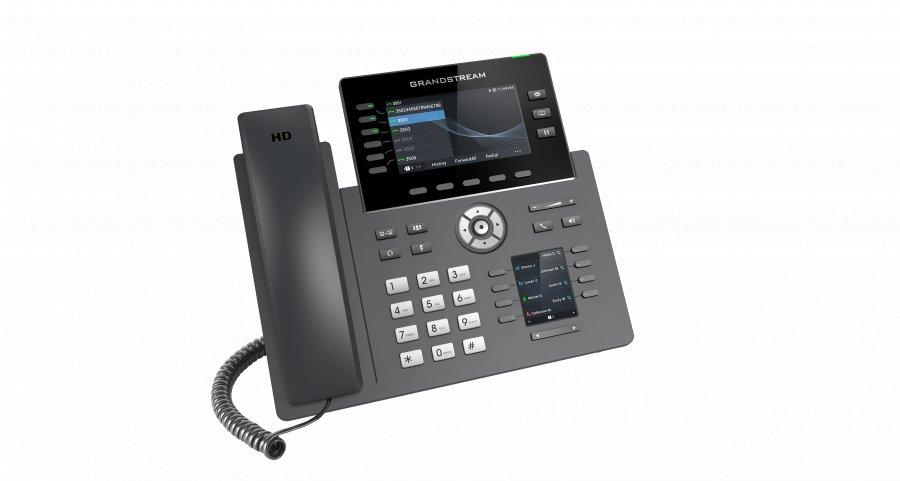
Grandstream’s devices are redefining how businesses build and manage their communication networks, making them more reliable and easier to oversee. Their IP phones, especially the GRP series, are designed for quick deployment, scalability, and high performance. These phones come equipped with programmable keys, high-definition audio, and customizable interfaces, transforming basic devices into powerful tools that boost productivity and streamline daily workflows. When integrated with cloud management platforms like GDMS, managing hundreds or even thousands of devices across multiple locations becomes straightforward, saving time and reducing operational complexity.
One of the key strengths of Grandstream’s solutions is their support for extensive customization. Businesses can tailor their communication systems to match specific operational needs, whether by setting up speed dial keys, call routing preferences, or personalized user interfaces. This level of flexibility ensures that teams work more efficiently, with quick access to essential contacts and functions. Such personalization minimizes routine tasks, enabling staff to focus on more strategic activities, and ultimately enhances overall communication effectiveness.
Scalability is another major advantage. Whether a small office or a large enterprise, organizations can expand their networks seamlessly using Grandstream devices. These phones support large-scale deployment and can be configured en masse through centralized management, significantly reducing setup time and error margins. As companies grow or open new locations, the same devices and management tools adapt effortlessly, maintaining a consistent user experience without the need for costly hardware upgrades or complex infrastructure changes.
High-quality network performance is critical for reliable communication, and Grandstream’s devices excel in this area. They support Quality of Service (QoS) settings that prioritize voice traffic, reducing latency and jitter that can disrupt calls. Proper network segmentation, such as VLANs, further enhances security and performance by isolating voice streams from other data. These measures ensure that voice calls remain clear and stable, even during peak network usage, providing a dependable communication environment essential for business operations.
Security features are built into Grandstream’s devices to protect sensitive conversations and maintain compliance. Encrypted communications and secure authentication methods guard against cyber threats, while network segmentation limits access and exposure. Regular firmware updates and remote management capabilities make ongoing maintenance simple, allowing IT teams to monitor device health, deploy updates, and troubleshoot issues without physical access. This combination of security and manageability results in a resilient, future-proof telephony infrastructure that supports growth and digital transformation.
By leveraging Grandstream’s innovative devices and management tools, organizations can create smarter, more adaptable networks that support their evolving needs. These solutions not only improve communication quality and security but also simplify deployment and expansion. They enable businesses to foster better collaboration, increase productivity, and stay ahead in a competitive, connected world. Investing in these technologies turns traditional telephony into a strategic asset—one that drives efficiency and supports long-term growth.