In a world where communication is the backbone of business success, relying on generic telephony systems can leave organizations vulnerable to inefficiencies and missed opportunities. Custom solutions, powered by innovative devices like Grandstream’s IP phones and centralized management platforms such as GDMS, promise a new era of flexible, scalable, and tailored communication ecosystems. But are businesses truly harnessing the full potential of these advanced tools to streamline workflows, enhance collaboration, and elevate customer experiences? As telephony technology evolves from traditional landlines to sophisticated, cloud-enabled systems, the stakes grow higher—demanding smarter, more adaptable solutions that support remote work, automation, and digital integration. The future belongs to organizations willing to invest in personalized, future-proof platforms that not only meet today’s challenges but anticipate tomorrow’s opportunities. Will you embrace this transformative shift to unlock your team’s full communication potential?
Enhance Your Business Communications with FiberConX’s Advanced VoIP Solutions
Discover how FiberConX Communications, based in Canada, specializes in delivering reliable VoIP business and residential phone services. Our solutions incorporate features like voicemail, IVR, ring groups, and voicemail-to-mail, ensuring seamless communication for your organization. To upgrade your office setup, explore our Grandstream IP Phones, renowned for their quality and compatibility. Whether you need a robust phone system for your team or personalized support, FiberConX is here to help. Contact us today at 1.800.961.6856 or email [email protected] to learn more about our tailored VoIP services and cutting-edge phone solutions.
Revolutionizing Business Communication with Tailored Telephony Solutions
In today’s fast-moving business landscape, clear and dependable communication isn’t just a convenience—it’s a vital driver of success. Companies are realizing that standard, one-size-fits-all telephony systems no longer meet their evolving needs. Instead, tailored solutions that align with specific workflows and growth strategies can transform communication into a powerful asset, boosting productivity and enhancing customer engagement.
These customized telephony solutions are built on a foundation of technological innovation. From early analog landlines to today’s digital and IP-based platforms, the industry has continuously advanced toward higher clarity, more features, and greater flexibility. Systems like PBX centralized call management and reduced costs, but they still relied heavily on physical infrastructure. Now, cloud-based platforms like Grandstream’s GDMS allow organizations to deploy, manage, and scale their communication tools effortlessly, no matter where their teams are located.
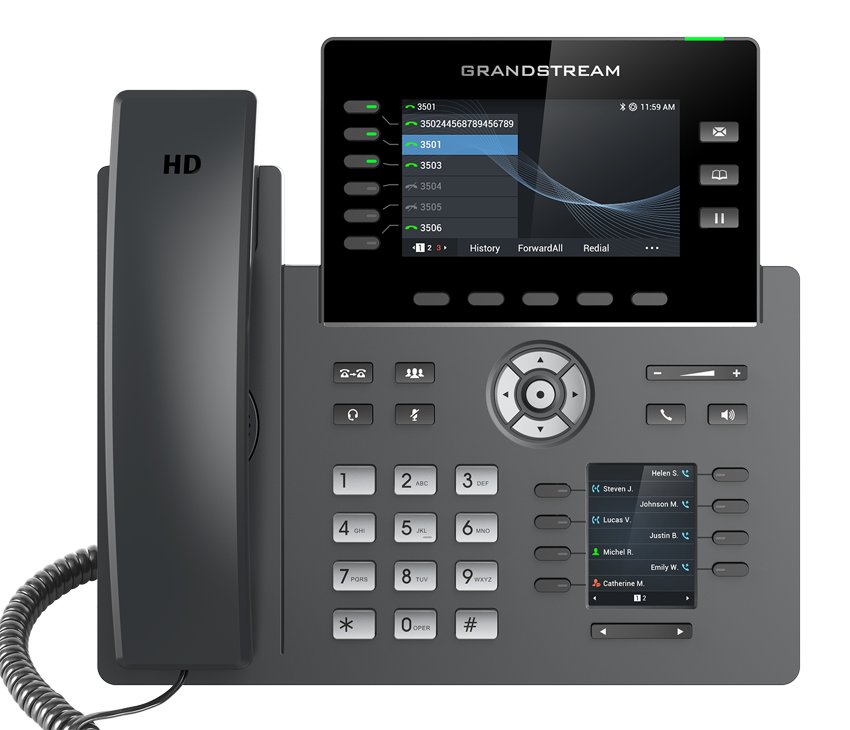
This shift toward flexible, cloud-enabled systems is especially relevant in the era of hybrid and remote work. Employees expect high-quality tools that function seamlessly from anywhere, and businesses that invest in personalized telephony solutions can meet these expectations while maintaining control and security. Devices like Grandstream’s IP phones are designed for easy configuration and management, making it simple to adapt to changing needs without overhauling entire systems.
The focus on customization extends beyond hardware to include integration with other digital tools and automation capabilities. Organizations now seek systems that support real-time data sharing, AI-driven features, and smooth interoperability, all aimed at improving internal collaboration and customer service. As the industry continues to evolve, scalability and ease of management remain critical—helping businesses respond quickly to new challenges and growth opportunities.
Understanding the progression from basic landlines to sophisticated, cloud-managed systems highlights how innovative devices like Grandstream’s IP phones are shaping the future of telephony. They’re not just phones—they’re part of an intelligent, adaptable communication ecosystem designed to meet the demands of modern business. Investing in these solutions means building a resilient, scalable infrastructure that keeps organizations connected, efficient, and ready for what’s next.
From Landlines to Cloud: The Evolution of Telephony Technologies
Telephony systems have evolved significantly from their earliest days, forming the backbone of modern business communication. Initially, these systems relied on analog signals transmitted over physical wires, connecting landline phones in a straightforward, reliable way. While dependable, these early setups supported only basic voice calls and lacked flexibility or advanced features, making them suitable for simple communication needs but limited in scope.
The development of Private Branch Exchange (PBX) systems marked a major milestone. These centralized units allowed organizations to manage multiple internal extensions and external lines more efficiently. With features like automated attendants, call routing, and voicemail, PBX systems provided greater control and professionalism, reducing costs compared to traditional landlines. However, they still depended heavily on bulky on-site hardware, which could be expensive and complex to maintain, limiting scalability.
As internet technology advanced, the shift toward IP-based telephony transformed the landscape. Instead of transmitting voice over dedicated lines, these systems send digital voice data over the internet using packet-switching protocols. This change enabled substantial cost savings, easier scalability, and seamless integration with other digital tools. IP phones, which connect directly to the internet, became the new standard, offering high-definition audio, video conferencing, and remote management capabilities that traditional systems couldn’t match.
Cloud telephony further revolutionized business communication. Hosted on remote servers, cloud-based platforms eliminate the need for on-site hardware and facilitate rapid deployment across multiple locations. Platforms like Grandstream’s GDMS centralize control, allowing organizations to configure, monitor, and update devices remotely. This approach supports hybrid and remote work environments by ensuring consistent, reliable service regardless of where employees are located and makes scaling simpler and more cost-effective.
Throughout this progression, key innovations have continued to shape telephony technology. Digital switching improved call clarity and introduced new features, while IP technology revolutionized cost and scalability. Today, cloud management platforms simplify deployment and maintenance, reduce downtime, and streamline administrative tasks. These milestones—spanning from the invention of the telephone to today’s cloud-based systems—have laid the foundation for the advanced, flexible telephony solutions available now.
Recognizing this history helps us appreciate how devices like Grandstream’s IP phones and management platforms build on past innovations. They combine high-quality hardware with intelligent management tools, creating a resilient, scalable communication ecosystem. This layered evolution demonstrates that telephony isn’t just about making calls; it’s about creating a dynamic infrastructure that adapts to changing business needs, supporting growth and long-term efficiency.

Embracing the Future: Trends in Personalized Telephony and Digital Integration
Today’s business environment is shifting rapidly toward more personalized telephony solutions that truly match each organization’s unique needs. Companies are moving away from generic, off-the-shelf systems and instead investing in tailored setups that boost flexibility, streamline workflows, and enhance overall efficiency. Features like cloud management and remote access are now standard expectations, especially as hybrid and remote work become the norm. Businesses see these customized solutions not just as communication tools but as strategic assets that support growth, improve customer interactions, and allow for quick adaptation to changing demands.
Devices like Grandstream’s IP phones are designed to be highly adaptable and easy to customize. Organizations can tailor these devices for different roles, departments, or locations, making deployment faster and management simpler. Many now view telephony as a key part of digital transformation, integrating automation, real-time data sharing, and seamless communication with other digital tools. This shift underscores the importance of solutions that are scalable and easy to manage—critical features for supporting long-term growth and responding swiftly to new challenges.
The debate between cloud-based and on-premise systems continues, but the trend favors cloud-managed solutions. Cloud telephony offers advantages like quick deployment, scalability, and centralized control, which appeal to organizations seeking agility. While some remain cautious about security and control with cloud systems, many accept these trade-offs for the benefits of flexibility and lower upfront costs. Traditional setups still appeal to those with strict compliance or security needs, though managing them often involves more complexity and expense.
Industry insights highlight how smart, personalized telephony is becoming vital for maintaining a competitive edge. Many articles showcase how companies deploying cloud-managed devices like Grandstream’s IP phones enjoy faster setup times, easier updates, and more reliable service. These advances make it clear that modern communication goes beyond voice calls—it’s about creating an interconnected, intelligent ecosystem that integrates smoothly with other digital platforms. This trend emphasizes the need for flexible, scalable solutions that can evolve with your business.
Regional differences influence how organizations adopt these technologies. North America and Europe are embracing cloud-based systems with advanced IP phones, driven by remote work and digital integration. In contrast, regions like Asia and parts of Africa often prefer on-premise solutions due to concerns over security, infrastructure, or regulatory issues. Recognizing these regional preferences helps providers tailor solutions that meet local demands, ensuring organizations worldwide can leverage the benefits of personalized telephony in ways that fit their environment.
Looking ahead, embracing these current trends in telephony isn’t just about staying current—it’s about positioning your organization for future success. Investing in devices like Grandstream’s IP phones, managed through platforms such as GDMS, enables streamlined operations, rapid deployment, and scalable growth. Prioritizing solutions that support remote work and are easy to manage helps future-proof your communication system, ensuring resilience amid evolving demands. Moving toward tailored, scalable solutions transforms your communication into a strategic advantage that drives productivity, enhances customer experience, and supports long-term growth.
Strategic Implementation: Deploying and Optimizing Custom Telephony Systems
Deploying a customized telephony system begins with a clear understanding of your organization’s specific communication needs. Start by mapping existing workflows and identifying pain points—consider features like call routing, remote access, or integration with other digital tools that can streamline operations. This targeted approach ensures you invest only in hardware and features that deliver real value, making your setup more efficient from the outset. Once your needs are defined, selecting the right devices, such as Grandstream’s flexible IP phones, becomes straightforward. These devices can be tailored for different roles or departments, helping you optimize resource allocation and avoid unnecessary spending.
Next, prioritize your network’s capacity and security measures. Reliable bandwidth and robust security protocols are essential for maintaining call quality and safeguarding sensitive information. Conduct thorough network tests to confirm your infrastructure can handle additional voice traffic without lag or disruption. Implement security best practices, including VLAN segmentation and firewalls, to protect your system from threats. Cloud management platforms like Grandstream’s GDMS simplify this process by providing centralized control. With GDMS, you can configure, update, and monitor multiple devices remotely, reducing setup time and minimizing human error.
Planning for growth from the start makes scaling seamless. Choose devices and management tools designed for easy expansion—Grandstream’s IP phones, especially the GRP series, support mass provisioning and remote management through cloud platforms. This approach minimizes downtime during deployment and ensures your communication infrastructure remains reliable and adaptable as your organization grows. Efficient management of new users and features becomes straightforward, helping you keep pace with evolving business demands without adding complexity.
Training your staff on the new system is crucial for maximizing its benefits. Offer simple, clear instructions and organize hands-on sessions focused on core functionalities like call forwarding, voicemail access, and remote management. Encourage feedback early to identify and resolve issues quickly, fostering confidence and promoting adoption. When your team understands how to utilize the system fully, you’ll see immediate improvements in productivity and communication flow.
Before deploying organization-wide, thorough testing is essential. Verify call quality across all locations, ensure remote access functions correctly, and confirm that integrated features work as intended. Address any issues promptly—whether adjusting network settings or updating firmware—to prevent minor glitches from disrupting daily operations. Regular testing and maintenance keep your system running smoothly, reducing downtime and ensuring consistent performance.
Ongoing support is vital for long-term success. Leverage platforms like GDMS for remote troubleshooting, firmware updates, and security patches. Establish routine maintenance procedures and keep your team informed about new features or best practices. A well-managed, flexible telephony system not only meets current needs but can adapt easily to future changes, providing a resilient backbone for your organization’s communication.
Finally, consider continuous improvement as part of your strategy. Regularly review system performance, gather user feedback, and stay informed about new advancements. This proactive approach allows you to refine your setup continuously, ensuring your customized telephony solution remains aligned with your business goals. Investing in scalable, manageable, and personalized communication tools today sets the foundation for a more connected, efficient, and future-ready organization.

Looking Ahead: Future Opportunities and Strategic Recommendations for Telephony
Looking ahead, adopting customized telephony solutions isn’t just a strategic choice—it’s essential for staying competitive in a rapidly evolving digital landscape. The latest devices, like Grandstream’s IP phones, combined with cloud management platforms, make building a flexible, scalable communication system more straightforward than ever. These tools empower organizations to streamline operations, enhance collaboration, and deliver superior customer experiences while keeping costs in check.
Advancements such as artificial intelligence and 5G will reshape how businesses communicate in the near future. AI-powered features like smarter call routing, voice recognition, and language translation will create more natural, personalized interactions. Meanwhile, 5G networks promise faster, more reliable connections that support high-quality video and immersive conferencing, transforming telephony into a truly integrated, digital ecosystem. Staying ahead means embracing these innovations and integrating them into your communication strategy.
The key next step involves evaluating your current infrastructure to identify gaps where tailored solutions can make a real difference. Upgrading to devices like Grandstream’s IP phones and managing them through platforms such as GDMS offers immediate benefits—greater control, faster deployment, and room to grow. Prioritizing flexible, cloud-managed systems ensures your communication setup can adapt quickly to new demands, whether it’s expanding your team or integrating new features.
Investing in personalized telephony isn’t just about technology; it’s about empowering your teams and elevating customer engagement. Moving away from generic systems toward tailored solutions unlocks new levels of productivity, responsiveness, and service quality. This shift turns your communication infrastructure into a strategic asset that supports long-term growth and resilience.
As digital innovation accelerates, organizations that adopt these advanced, customizable solutions will outpace competitors and position themselves for future success. The integration of AI, 5G, and cloud management creates a smarter, more responsive environment—one that adapts seamlessly to changing needs and opportunities. Taking action now to explore these options sets your business up for sustained agility and innovation.
Remaining proactive and open to change is critical. Regularly reviewing your communication tools and staying informed about emerging technologies ensures your system remains aligned with your strategic goals. With the right investments today, you lay the foundation for a more agile, efficient, and future-proof communication ecosystem that will serve your organization well as it evolves and grows.