In an era where seamless communication is crucial for business success, how can customizable telephony solutions revolutionize your network efficiency? Grandstream’s innovative devices, like the carrier-grade GRP IP phones, offer tailored features that streamline workflows, enhance responsiveness, and scale effortlessly with organizational growth. By leveraging cloud management platforms such as GDMS, businesses can deploy, monitor, and update their systems remotely, reducing operational complexity. The foundational technologies—VoIP, centralized device management, and robust network infrastructure—underpin these advanced solutions, enabling high-quality, secure, and flexible connectivity. Success stories across manufacturing, retail, healthcare, and hospitality sectors showcase how tailored systems foster faster internal communication, improved customer engagement, and scalable expansion. Looking ahead, the future promises even smarter, AI-driven, IoT-integrated, and 5G-enabled telephony environments that adapt dynamically to evolving needs. Are you ready to harness this transformative power and position your organization at the forefront of digital communication innovation?
Enhance Your Business Communications with FiberConX’s VoIP Solutions in Canada
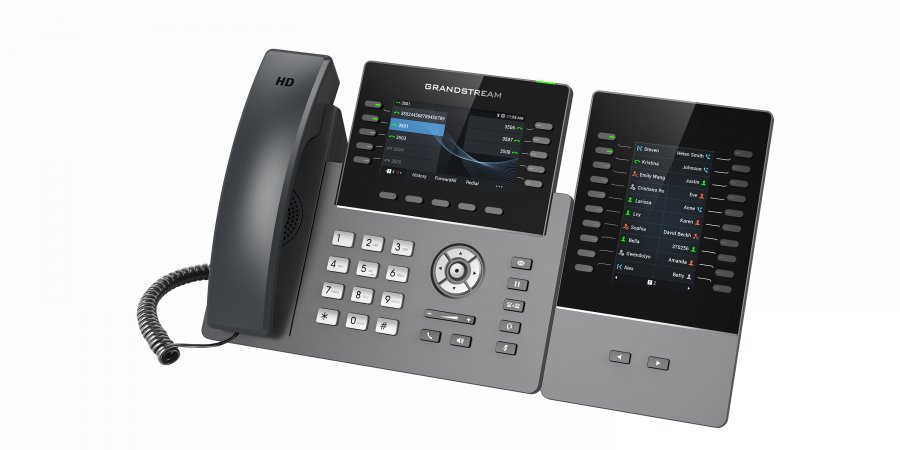
Discover the power of advanced VoIP and IP business phone services with FiberConX Communications, based in Canada. Our solutions incorporate features like voicemail, IVR, Ring Groups, and voicemail-to-mail, ensuring seamless communication for your business. For reliable hardware options, consider the Grandstream GXP2170, renowned for its robust performance and ease of use. Whether you’re upgrading your existing system or building a new communication infrastructure, FiberConX provides tailored services to meet your needs. Reach out to us at [email protected] or call 1.800.961.6856 to learn more about how our VoIP solutions can transform your business communication.
Transforming Business Communication with Customizable Telephony Solutions
In today’s fast-paced business environment, effective communication isn’t just a convenience—it’s a core driver of success. Companies face the challenge of ensuring their teams stay connected, responsive, and adaptable, whether employees work from the office, home, or on the move. Off-the-shelf phone systems might meet basic needs, but they often fall short when it comes to supporting unique workflows and growing organizations. That’s where customizable telephony solutions come into play, offering tailored features and workflows that align perfectly with a business’s specific operations.
Personalized communication systems do more than connect calls; they streamline processes, improve response times, and boost overall productivity. When the technology is designed around how a business functions—whether through custom call routing, presence indicators, or integrated messaging—it transforms a simple phone system into a strategic asset. This targeted approach enhances internal collaboration and elevates customer engagement, making every interaction more efficient and meaningful.
As remote and hybrid work models become the norm, flexibility in communication tools becomes essential. Traditional landlines and static systems struggle to support the dynamic needs of modern organizations. Cloud-managed solutions and devices like Grandstream’s IP phones provide the adaptability required for today’s diverse workplaces. These systems are easy to deploy across multiple locations and manageable remotely, reducing downtime and operational complexity while supporting rapid growth and scaling.
Choosing the right devices and management platforms is key to unlocking their full potential. Grandstream’s IP phones are built with customization in mind, offering a wide array of features that can be tailored to different roles or departments. Cloud platforms like GDMS simplify device configuration, monitoring, and updates from afar. This centralized control makes scaling straightforward, whether adding new users or expanding to new sites, without disrupting daily operations.
The true power of these solutions lies in their ability to evolve alongside a business. As companies grow or shift focus, their communication needs change—sometimes rapidly. Customizable systems allow seamless upgrades and workflow adjustments, avoiding costly overhauls and ensuring the infrastructure remains aligned with long-term goals. This flexibility not only saves time and money but also positions organizations for sustained innovation and competitive advantage.
In essence, tailored telephony solutions are transforming how organizations connect both internally and with their customers. They enable smoother operations, faster responses, and more engaging interactions. As technology advances, the importance of customization will only grow, making it a vital element in modern business strategies. Companies that invest in flexible, personalized communication systems position themselves for future growth, resilience, and success.
Foundations of Modern Telephony Technologies
Modern telephony systems are built on foundational technologies that make seamless communication possible in today’s fast-paced business environment. Central to these is Voice over Internet Protocol (VoIP), which transforms traditional voice signals into digital data that travels over the internet. This shift not only cuts costs but also unlocks advanced features like call forwarding, video conferencing, and easy integration with other digital tools, fundamentally changing how organizations connect.
Device management is another critical component. Platforms like Grandstream’s GDMS allow IT teams to remotely configure, monitor, and update phones and endpoints. This centralized control simplifies deployment across multiple locations and streamlines ongoing maintenance, enabling faster troubleshooting and ensuring consistent device performance. The ease of remote management is especially valuable for large-scale setups, reducing the need for manual intervention.
Beneath these core technologies lies a robust network infrastructure. High-speed internet connections, combined with Quality of Service (QoS) protocols, prioritize voice traffic to maintain high call quality even during peak usage. Security measures such as encryption and firewalls protect conversations and sensitive data from cyber threats, ensuring privacy and reliability in every exchange. A dependable network infrastructure is vital to support the demands of digital communication.
Transitioning from traditional analog systems to digital, IP-based solutions has been transformative. Analog signals over dedicated circuits often limited flexibility and scalability, but digital systems transmit voice as data packets over the internet. This enables features like high-definition video calls, instant messaging, and seamless integration with business applications, supporting dynamic workflows and organizational growth.
Deploying these systems effectively involves strategic planning. Cloud-based management platforms facilitate remote device configuration and monitoring, eliminating the need for physical setup and reducing deployment time. Large organizations benefit from bulk provisioning tools, enabling quick, uniform deployment of hundreds or thousands of devices. Platforms like Grandstream’s GDMS provide a centralized dashboard for overseeing the entire telephony network, making expansion and updates straightforward.
Overall, these core technologies form the backbone of modern, flexible communication systems. They enable organizations to build scalable, secure, and feature-rich environments that support both daily operations and future growth. Understanding these foundational elements helps businesses leverage the full potential of their telephony infrastructure, ensuring efficient, reliable, and adaptable connectivity at every level.

Boosting Efficiency and Growth Through Customized Phone Systems
Customized telephony solutions deliver tangible improvements in business efficiency by aligning communication tools directly with operational needs. When devices and features are tailored to specific workflows, employees communicate more quickly and accurately, reducing errors and missteps. For example, optimized call routing ensures inquiries reach the right department instantly, cutting down wait times and enhancing customer satisfaction. This targeted approach streamlines daily tasks, allowing teams to focus on core responsibilities rather than troubleshooting or navigating complex systems.
Scalability is another key benefit. As organizations grow, standard systems often struggle to keep pace, leading to costly upgrades or disruptive overhauls. Customized solutions, however, are designed with flexibility in mind. They allow seamless addition of new users, deployment of advanced features, or workflow adjustments without interrupting operations. This adaptability supports long-term growth, ensuring the communication infrastructure evolves alongside the business without incurring unnecessary downtime or expense.
Employee satisfaction also sees a boost when systems are personalized. Features like speed dials, presence indicators, and role-specific call routing make daily interactions more intuitive and efficient. Staff can connect faster, collaborate more easily, and experience fewer frustrations, which translates into better morale and higher productivity. Devices like Grandstream’s IP phones are built to support these customizations, making it simple to tailor the user experience for different roles and departments.
Managing these systems becomes more straightforward through centralized control platforms such as GDMS. IT teams can remotely configure, update, and troubleshoot devices across multiple locations, reducing the need for on-site visits and manual setups. Automated provisioning tools enable quick deployment of large device fleets, ensuring consistency and reducing deployment time. This streamlined management minimizes operational headaches and allows organizations to respond rapidly to changing needs or technical issues.
Cost savings are a natural outcome of customization. By optimizing device features and network settings, companies can better utilize bandwidth and reduce unnecessary hardware or licensing expenses. The ability to add new features or expand capacity without replacing entire systems means a higher return on investment over time. This flexibility also helps organizations stay ahead of technological advancements without frequent, costly upgrades.
Ultimately, tailored telephony solutions are about creating more reliable, efficient, and user-friendly communication environments. They empower businesses to operate more smoothly, serve customers better, and adapt swiftly to market or internal shifts. Investing in these flexible, personalized systems not only enhances current operations but also prepares organizations for future growth, ensuring they remain competitive and resilient in an evolving digital landscape.
Real-World Wins: Success Stories with Grandstream
Grandstream’s solutions have demonstrated their value in real-world settings, helping organizations streamline communication and reduce costs. A mid-sized manufacturing company upgraded from outdated systems to Grandstream IP phones across all departments. With GDMS, their IT team could remotely configure and monitor devices, making deployment quick and maintenance straightforward. As a result, internal communication became faster and more reliable, supporting their growth without the usual technical hiccups.
Similarly, a retail chain with dozens of stores faced the challenge of rolling out new communication devices efficiently. Using Grandstream’s bulk provisioning tools, they set up thousands of phones within days. The centralized management via GDMS allowed store managers to troubleshoot remotely, minimizing downtime and ensuring staff could focus on serving customers. This seamless deployment led to improved coordination across locations and a better shopping experience for customers.
In the healthcare sector, a provider upgraded its infrastructure with Grandstream IP phones equipped with features like direct dialing and presence indicators. The cloud management platform simplified updates and troubleshooting, reducing the need for on-site visits. This setup improved response times, reduced errors, and created a smoother workflow for staff and patients alike. It showed how customization paired with remote management enhances operational efficiency in complex environments.
A legal firm expanding its operations benefited from Grandstream’s flexible device management. They could quickly add users or modify features without disrupting daily routines. This adaptability supported their growth and prevented costly system replacements, keeping their communication infrastructure aligned with strategic goals. The ease of scaling and updating proved essential for their ongoing expansion plans.
In the hospitality industry, a hotel chain deployed Grandstream IP phones across multiple locations. Staff could connect instantly, improving coordination and guest service. The centralized management system enabled quick updates and troubleshooting, even during busy seasons. This improved communication directly impacted guest satisfaction, illustrating how tailored solutions can elevate customer experiences while simplifying management.

Embracing Tomorrow: Future Trends in Telephony Technology
The future of telephony solutions is set to be reshaped by rapid technological breakthroughs that promise smarter, more integrated communication environments. Artificial intelligence (AI) will play a pivotal role, automating routine tasks like call routing and customer support while enabling more personalized, context-aware interactions. Virtual assistants powered by AI are expected to handle common inquiries, freeing staff to focus on complex issues and delivering a seamless experience for users. This shift will make communication not only more efficient but also more intuitive and human-like.
Meanwhile, the expansion of the Internet of Things (IoT) will deepen connectivity within workplaces. Devices, sensors, and communication endpoints will work together seamlessly, creating ecosystems where voice and data interact effortlessly. Imagine conference rooms that adjust lighting, temperature, or even seating arrangements based on user preferences automatically—this integration will streamline workflows and boost productivity. As IoT becomes more prevalent, communication systems will evolve from isolated tools into interconnected networks that support smarter, more responsive operations.
The rollout of 5G networks is poised to revolutionize telephony with ultra-fast, low-latency connections. This advancement will enable high-definition voice, crystal-clear video calls, and real-time data sharing across multiple locations, even in densely populated areas. Businesses will gain unprecedented flexibility, supporting remote and hybrid work models with reliable, high-quality communication that was previously difficult to sustain. This will open doors for innovative collaboration methods and new service offerings that thrive on real-time connectivity.
Grandstream is proactively preparing for these emerging trends, designing devices and platforms capable of integrating future innovations. Their solutions emphasize scalability and adaptability, ensuring organizations can incorporate AI features, IoT integrations, and 5G connectivity as they mature. By investing in flexible infrastructure today, businesses will be well-positioned to upgrade seamlessly, avoiding costly replacements and staying ahead of the curve.
As these technologies mature, voice systems will become increasingly intelligent and responsive, recognizing user preferences and adjusting dynamically to context. This will reduce manual interventions, speed up workflows, and create a more natural flow of conversation—making technology feel less like a tool and more like a collaborator. Such advancements will foster faster decision-making, elevate customer engagement, and support more fluid, human-centric communication.
Cloud-based management platforms will continue to be central, offering centralized control that simplifies deployment, updates, and troubleshooting regardless of location. This agility will be vital as organizations adapt rapidly to changing needs, ensuring their communication networks remain resilient and future-proof. Embracing these innovations early will help organizations build scalable, innovative, and reliable communication environments that support sustained growth and competitive advantage in the digital age.