Mastering the art of calm dog walking transforms daily outings from stressful to serene, strengthening the bond between owner and pet. But how does a simple routine turn into a powerful tool for communication, trust, and emotional resilience? This guide reveals that patience, consistency, and positive reinforcement are key to teaching dogs to walk politely and remain focused amid distractions. It emphasizes the importance of proper equipment, clear cues, and a calm demeanor—highlighting how small, intentional steps lead to lasting behavioral change. Yet, what happens when surprises like loud noises or other animals threaten progress? Handling setbacks with patience and strategic adjustments is crucial, making the journey as much about leadership as training. Ultimately, this approach promises not only safer, more enjoyable walks but a deeper, more trusting connection—showing that peace and confidence at your side are within reach for every dog owner willing to invest the effort.
Create Peaceful Connections Through Calm Dog Walking
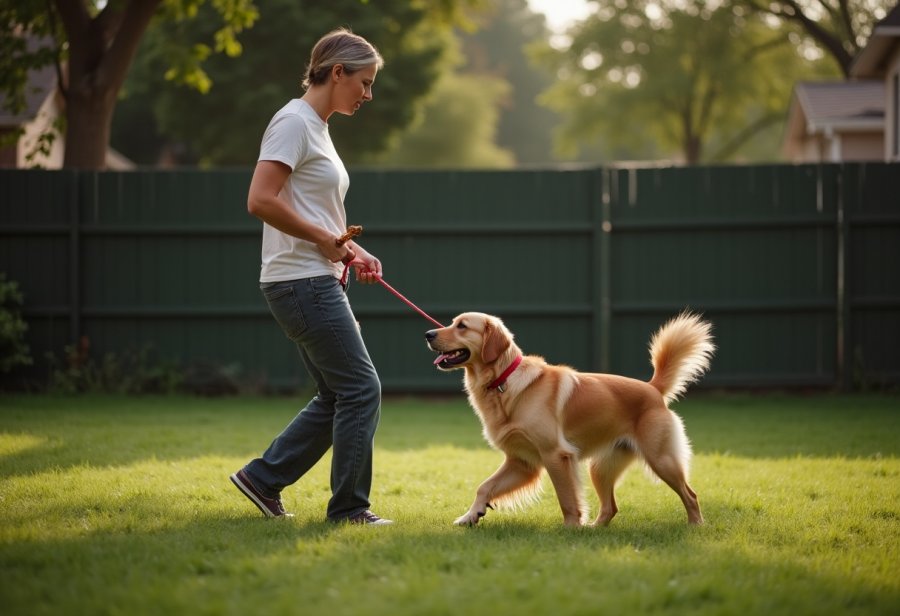
Walking calmly with your dog isn’t just about good manners; it’s about creating a peaceful, trusting connection during your daily outings. When both of you move in a relaxed and focused way, it sets the stage for clear communication and mutual understanding. Calm walks help your dog feel less stressed, which can reduce behaviors like lunging or excessive barking, making each walk more enjoyable for everyone involved.
This approach isn’t only about manners—it’s about strengthening your bond. A dog that walks politely and stays attentive trusts your leadership and feels secure by your side. Over time, these peaceful routines turn routine outings into moments of shared calm and connection, fostering confidence and emotional well-being in your pet. For owners, this means fewer stressful encounters and more rewarding experiences with your furry friend.
Developing calm walking skills is also a practical way to prevent common behavioral issues. Dogs that become overly excited or distracted tend to pull or lunge, which can make walks stressful. Teaching your dog to stay relaxed and attentive creates a foundation for safer, more predictable outings, even in busy or stimulating environments. As your dog learns to focus and stay calm, walks become opportunities for bonding rather than battles of will.
Beyond behavior, calm walks boost your dog’s emotional resilience. When they learn to stay relaxed amid distractions, their confidence grows and anxiety diminishes. This sense of calmness provides a safe space where your dog can explore and enjoy the world at their own pace, knowing you’re there to support them. The result is a happier, more balanced dog that trusts your guidance and feels secure in any setting.
For owners, these peaceful walks reduce stress and make daily outings more pleasant. When your dog walks beside you without pulling or reacting excessively, you’ll feel more in control and less overwhelmed. These routines become opportunities to deepen your connection, transforming everyday walks into shared moments of calm and joy. Building this foundation of trust turns a simple activity into a meaningful part of your relationship.
In essence, calm walking benefits both you and your dog. It’s about turning routine into a rewarding experience—one built on patience, consistency, and mutual respect. As you develop these skills, you’ll find that peaceful, confident walks become a highlight of your day, strengthening your bond and enriching your shared life together.
Build Your Foundation: Core Principles of Calm Walking
Calm walking with your dog is rooted in a few simple but powerful principles that set the foundation for success. At its core is establishing clear communication and mutual respect. When your dog understands your cues and remains focused on you, the walk becomes a team effort rather than a tug-of-war. Consistency in commands and routines helps your dog feel secure, reducing anxiety and making them more responsive and relaxed over time.
Positive reinforcement is the key to effective training. Reward your dog with treats or praise whenever they walk calmly and pay attention. This creates a bond of trust and helps your dog associate peaceful behavior with positive outcomes. Proper leash training also plays a vital role; a loose, comfortable connection prevents pulling and lunging, turning the walk into a controlled, enjoyable activity for both of you.
Modern training emphasizes gentle, positive methods that foster your dog’s confidence and emotional calmness. Instead of relying on corrections, focus on nurturing your dog’s trust and sense of safety. This approach transforms routine walks into meaningful moments of connection, where your dog feels understood and supported by you. When both of you stay calm and attentive, walks become peaceful experiences that strengthen your bond.
Building on these principles, patience and consistency are essential. Your dog learns to see you as a steady leader, which helps them internalize calmness and focus. Over time, your walks will become more predictable and enjoyable, even in distracting environments. Remember, every small step counts—regular practice and positive reinforcement turn these core concepts into lasting habits that make every outing a shared success.
Master In-Depth Strategies for Peaceful Dog Walks
Teaching your dog to walk calmly requires consistency, patience, and a clear plan. Start in a quiet environment, introducing simple cues like “focus,” “sit,” or “heel,” and reward your dog immediately when they respond correctly. Keeping walks predictable—maintaining a steady pace and avoiding sudden stops—helps your dog stay relaxed and attentive. As they become more reliable, gradually introduce distractions, always rewarding calm behavior to reinforce that good manners lead to positive outcomes.
Focus on leash manners and trust-building to establish a solid foundation. Use gentle guidance and consistent cues to redirect your dog when they get distracted, rewarding their calmness often. Your energy influences theirs—stay relaxed and confident, and your dog will mirror that calmness. Practice these routines daily, starting in low-distraction settings and slowly increasing difficulty. Keep sessions short and positive to help your dog build confidence without feeling overwhelmed.
Incorporate commands like “heel” to encourage close, relaxed walking. Start in distraction-free spaces, guiding your dog into position with treats, and reward when they stay beside you without pulling. Over time, these cues become second nature, giving you reliable control even in busier environments. Managing distractions is key; when your dog reacts to sights or sounds, gently redirect their focus with cues like “look” or “focus,” rewarding calm responses immediately.
Your demeanor matters. Speak softly, maintain a slow pace, and avoid rushing. If your dog gets overly excited, pause calmly and redirect their attention. Your steady presence reassures them, helping them settle into a relaxed state. Be patient with setbacks—they’re normal. When your dog slips into old habits, gently guide them back, reinforcing positive behavior with treats and praise.
Use helpful tools like clickers, high-value treats, and appropriate equipment to support your training. These reinforce cues and make learning more effective. Consistency and patience will turn challenging moments into growth opportunities, gradually transforming your walks into peaceful, bonding experiences. With time, your dog will learn to navigate distractions with confidence, making every walk a calm, shared adventure.
Practical Tips to Implement Calm Walking Routines
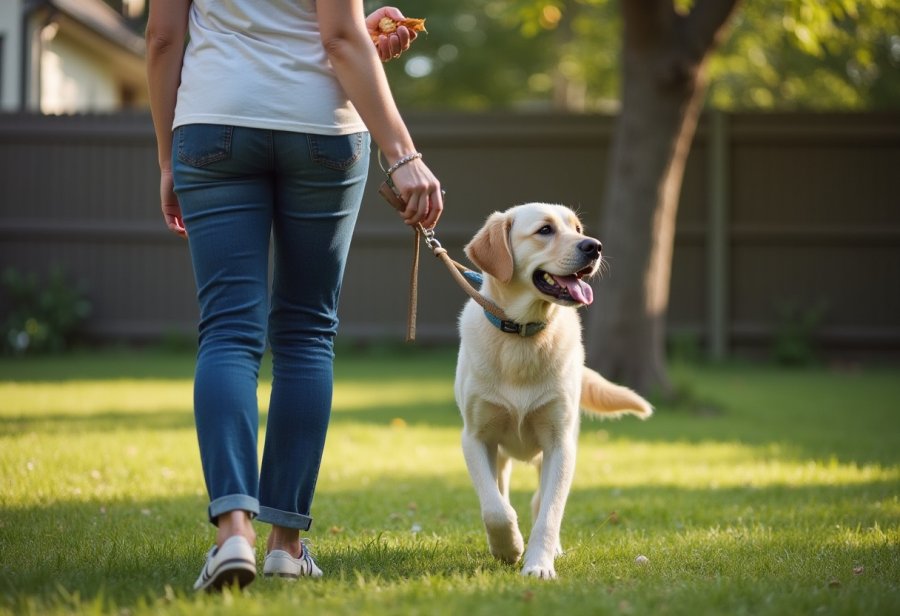
Starting your calm walking routine begins with simple, consistent steps that set a positive tone for every outing. Practice in a quiet environment, using basic commands like “sit” or “focus,” and reward your dog generously when they respond calmly. Treats and praise right from the start help your dog associate these behaviors with positive feelings. Keep the leash loose and avoid tension; pulling only creates frustration and makes calm walking harder to achieve. As your dog gets comfortable, gradually introduce mild distractions, maintaining your relaxed energy to encourage their focus.
Establishing a predictable schedule helps your dog feel secure and reduces anxiety. Walk at the same times each day along familiar routes, so your dog learns what to expect. Consistency builds trust and reinforces that calm behavior leads to rewards. Over time, this routine helps your dog settle into a relaxed state, making walks more enjoyable and less stressful. Remember, patience and small steps matter—avoid rushing progress and celebrate each small success to keep your dog motivated and confident.
Choosing the right gear makes a significant difference. A well-fitting harness or collar that prevents pulling, combined with a sturdy, lightweight leash, gives you better control without causing discomfort. When your dog starts to pull or become distracted, gently redirect their attention using cues like “look” or “focus,” and reward their calm response immediately. Proper equipment and clear communication make it easier for your dog to stay relaxed, especially in busy or stimulating environments.
Stay mindful of your own emotions during walks. Dogs are highly perceptive and respond strongly to your mood. Maintaining a slow, steady pace, speaking softly, and avoiding rushing helps your dog feel safe and secure. If they become overly excited or distracted, pause calmly, breathe deeply, and gently redirect their focus. Your composed demeanor reassures them that everything is under control, encouraging relaxation and focus.
Expect setbacks—they’re a normal part of training. When your dog pulls, barks, or gets distracted, respond with patience. Calmly redirect their attention and wait for them to settle before continuing. Shortening walks or moving to quieter areas can help your dog regain composure. Consistent, gentle responses strengthen their understanding that calmness is what’s expected, gradually reducing reactive behaviors.
If your dog shows signs of stress or reactivity, consider adjusting your routine. Moving to less busy routes or shorter walks helps rebuild confidence. Using calming aids like treats or a calming vest can support their nerves during challenging moments. These tweaks create a more predictable environment, making it easier for your dog to stay composed and confident even when surprises happen.
Sometimes, persistent issues benefit from professional help. Trainers or behaviorists can provide tailored strategies for specific triggers or stubborn habits. Seeking expert guidance isn’t a sign of failure; it’s a smart step to keep your training effective. Their insights help you develop better redirection techniques and build your dog’s resilience. With patience and support, every walk can become a peaceful, bonding experience that deepens trust and mutual calm.
Plan Smartly: Costs and Preparation for Successful Training
Training your dog to walk calmly at your side involves thoughtful planning and some investment upfront. The right equipment—such as a comfortable harness or collar that fits well, along with a sturdy leash—makes a significant difference in how smoothly training progresses. While quality gear may cost a bit more initially, it tends to last longer and offers better control, reducing discomfort and discouraging pulling. This foundation is crucial for establishing calm leash manners and ensures your dog’s comfort during training sessions.
Budgeting for treats and reinforcement tools is equally important. High-value treats that your dog finds irresistible help motivate good behavior and make training more effective. Keep portions small to avoid overfeeding, but have a steady supply ready to reward calm, attentive responses consistently. These small investments in treats and training aids quickly pay off by increasing your dog’s engagement and reinforcing positive habits.
Planning your purchases ahead of time keeps your training routine on track. Having the necessary equipment ready means you’re more likely to stick to your schedule and maintain consistency. Proper gear and supplies create a calm, organized environment that facilitates learning. When your dog associates training sessions with comfort and predictability, they’re more eager to participate, making progress feel natural and attainable.
In addition to gear, consider the ongoing costs of treats and occasional professional help. While many routines can be managed at home, a few sessions with a trainer or behaviorist can address stubborn issues or fine-tune your approach. Investing in expert guidance ensures your efforts are targeted and effective, especially when facing specific challenges.
Remember, successful training doesn’t hinge on spending a fortune. It’s about making smart, deliberate choices with your resources. Quality equipment paired with consistent reinforcement creates a positive training experience without breaking the bank. With patience and commitment, this investment helps you develop a calmer, happier dog and deepens your bond.
Finally, think of this as an ongoing process rather than a one-time expense. As your dog progresses, you may want to update gear or try new training tools, but staying consistent with your routine is what truly counts. The more prepared and invested you are, the more rewarding those calm, confident walks will become—strengthening your relationship and turning everyday outings into moments of shared joy.
Transform Practice Into Progress: Applying and Monitoring Your Skills
Applying what you’ve learned starts with establishing a consistent routine. Set clear, manageable goals for each walk, such as maintaining focus over a certain distance or responding reliably to cues like “sit” or “focus.” Keep sessions short and positive, gradually increasing difficulty as your dog shows progress. Observe their reactions closely—note when they stay calm and attentive, and when they become distracted or pull. This feedback guides your adjustments, helping you reinforce successful behaviors and modify challenges. Celebrating small wins builds confidence, making calm walking feel natural and rewarding for your dog.
Tracking progress is key. Use a simple journal or checklist to record responses to commands, environments, and distractions. Notice patterns—are they more attentive in quiet areas or busier streets? Do certain treats motivate better focus? These insights help refine your approach, emphasizing what works and addressing what doesn’t. Seeing tangible improvements keeps motivation high and reinforces your commitment. Remember, setbacks are part of the process; patience and persistence turn occasional lapses into learning opportunities.
Consistency in commands, routines, and rewards creates predictability that reduces anxiety. Practice in various settings, starting with quiet spaces and gradually introducing more distractions. Over time, your dog will generalize these lessons, maintaining calmness across different environments. Patience is essential—training takes time, and small steps add up. If progress stalls, revisit earlier stages, reinforcing foundational cues and rewarding patience. Your steady approach builds a strong foundation for peaceful walks.
Your own demeanor influences the training outcome. Dogs are highly perceptive of your mood and energy. Maintain a calm, confident attitude—speak softly, move slowly, and avoid rushing. When distractions arise, pause and breathe deeply, then gently redirect their focus with cues like “look” or “focus.” Your calm presence reassures them, helping them settle. This steady attitude fosters a peaceful atmosphere, making it easier for your dog to remain relaxed and attentive.
Expect surprises—loud noises, other animals, or sudden stimuli are normal hurdles. When these happen, stay composed, gently redirect your dog’s attention, and reward their calm response. Moving to quieter areas or shortening walks can help your dog regain confidence. Consistent, gentle responses reinforce that calmness is expected, gradually reducing reactivity. If challenges persist, adjusting routines or seeking professional guidance can provide tailored solutions and renewed progress.
Remember that setbacks don’t mean failure. Use them as opportunities to reinforce your training. If your dog pulls or becomes distracted, calmly pause, redirect, and reward when they refocus. Over time, these moments strengthen their ability to handle surprises calmly. Patience and persistence are your best tools for turning setbacks into stepping stones, building resilience and trust.
Finally, stay flexible. Adjust routines, environments, or tools as needed. Sometimes, moving to less busy routes or using calming aids can make a big difference. Consistent application of techniques, combined with your calm attitude, creates a safe space for your dog to learn and grow. With ongoing effort, every walk becomes a peaceful, bonding experience—turning routine outings into shared moments of trust and joy.
Stay Prepared: Handling Risks and Unexpected Challenges During Walks
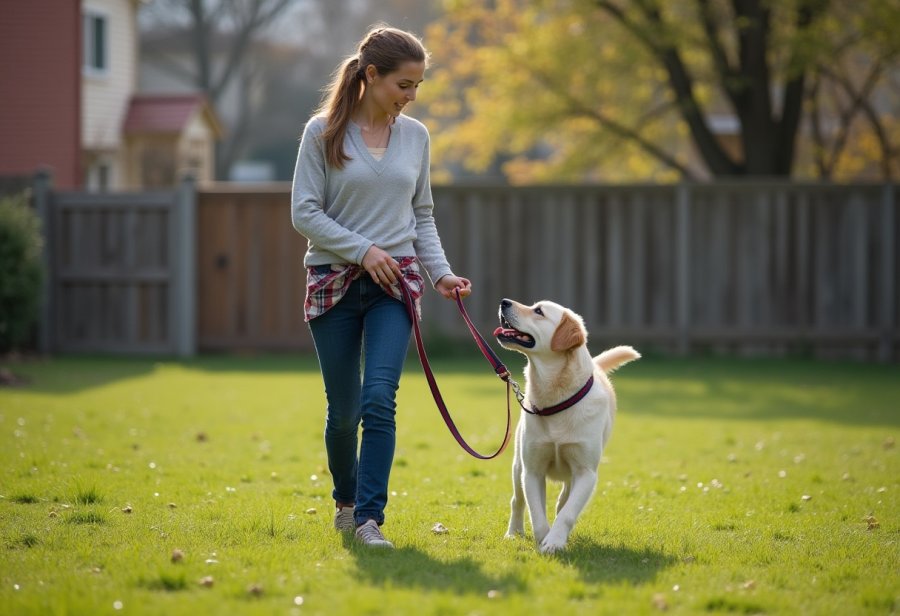
Preparing for setbacks and unexpected issues is essential to maintaining calm and safe walks with your dog. No matter how well-trained your pup is, surprises like loud noises, other animals, or sudden stimuli can still happen. Staying composed during these moments helps prevent escalation and keeps your training on track. When your dog becomes overwhelmed or reactive, gently redirect their attention with cues like “look” or “focus,” rewarding their calm response immediately. This positive approach teaches your dog that staying focused and relaxed is always worthwhile, even amid chaos.
Having a plan for common triggers makes a big difference. Knowing which areas tend to upset your dog allows you to select less stressful routes or avoid crowded places. Using a shorter leash in busy environments gives you better control, helping prevent pulls or lunges. Carry calming tools like treats or a calming vest; these can soothe nerves and help your dog regain composure during stressful moments. Thoughtful preparation creates a predictable environment, making it easier to handle surprises without losing your calm.
Despite your best efforts, setbacks are normal. Your dog might pull, bark, or become distracted again. The key is how you respond. Instead of reacting with frustration, pause calmly, breathe deeply, and gently redirect their focus with cues you’ve trained. Consistency in these responses reinforces that calmness is expected, gradually reducing reactive behaviors over time. Remember, patience is vital—each setback is an opportunity to reinforce your training and build resilience.
Adjust routines when needed. Moving to quieter routes or shortening walks can help your dog rebuild confidence. Using calming aids like treats or a calming vest can support their nerves, especially during challenging moments. These small changes foster a more controlled environment, helping your dog learn to handle surprises with confidence. Over time, this builds their ability to stay relaxed even in unpredictable situations.
Seeking professional help isn’t a sign of failure but a smart move if persistent issues arise. Trainers or behaviorists can offer tailored strategies to address specific triggers or stubborn habits. Their guidance helps refine your redirection techniques and develop your dog’s resilience. With expert support and your steady effort, setbacks become stepping stones toward calmer, more confident walks.
Stay mindful of your own energy. Dogs are perceptive and respond strongly to your mood. Approaching walks with calm confidence, especially during surprises, reassures your dog that everything is under control. Pausing, taking deep breaths, and maintaining a steady tone can transform tense moments into opportunities for growth. Your composed presence encourages your dog to mirror your calmness, making challenges easier to manage.
By preparing for the unexpected and responding with patience and clarity, you turn setbacks into growth opportunities. Each challenge becomes a chance to reinforce your dog’s confidence and your leadership. Over time, your dog develops the resilience to navigate surprises calmly, making your walks safer and more peaceful. This resilience deepens your bond and ensures that calm, enjoyable outings become a consistent, shared experience.