Discover the secret to unlocking genuine happiness in your dog’s daily outdoor walks, where simple moments transform into meaningful bonds. What makes these routines so profoundly joyful for both pets and owners? Beyond physical exercise, outdoor explorations stimulate a dog’s senses, satisfy natural instincts, and release mood-boosting chemicals like dopamine. As dogs sniff, observe, and investigate their surroundings, they deepen their trust and confidence, turning walks into shared adventures rather than mundane routines. The environment—whether lush parks or wooded trails—plays a crucial role in fostering curiosity and emotional well-being. By understanding what triggers a dog’s happiness—trust, sensory engagement, social interactions—and applying practical tips, owners can craft experiences that promote mutual joy. These walks aren’t just about movement; they’re moments of connection, discovery, and tranquility that remind us happiness often lies in life’s simplest pleasures. Are you ready to transform your daily outings into treasured rituals of happiness for both you and your dog?
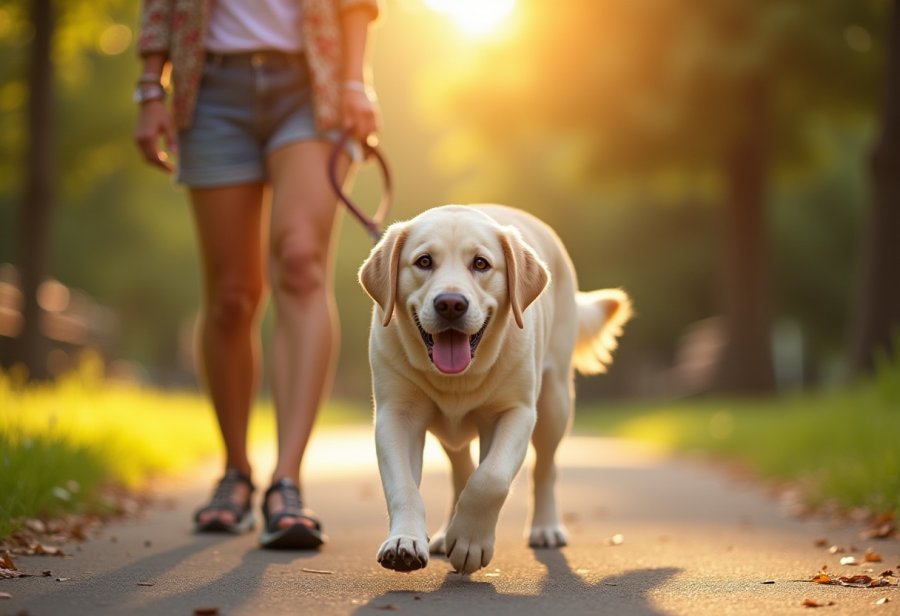
Discover the Joy of Outdoor Walks with Your Dog
Few moments in daily life bring as much genuine joy as a walk outside with your dog. These outings go beyond simple exercise—they’re a vital part of a dog’s happiness and well-being. Outdoors, dogs have the chance to explore, sniff, and experience the world through their senses, which is crucial for their mental health. For owners, these walks offer a break from routine and a relaxed way to reconnect with their pets, strengthening the bond in a natural setting.
A walk in the fresh air is more than just physical activity. It’s an opportunity for dogs to indulge their natural curiosity and engage their senses. When they sniff, observe, and investigate their surroundings, they’re not only having fun—they’re also gathering important information about their environment. These sensory explorations trigger the release of feel-good chemicals like dopamine and endorphins, boosting their mood and helping prevent boredom.
The environment itself plays a significant role in shaping the experience. Natural settings such as parks, trails, and wooded areas provide a variety of textures, smells, and sights that keep a dog’s mind active and engaged. When dogs are free to explore at their own pace, they tend to show signs of happiness—wagging tails, eager sniffing, and playful behavior. These moments of discovery turn routine walks into mini-adventures that leave dogs feeling fulfilled and more connected to their surroundings.
Trust is the foundation of a joyful walk. When dogs feel safe and confident, they relax and are more open to exploring new sights and smells. Creating this sense of security involves gentle guidance, positive reinforcement, and patience. As trust grows, dogs become more eager and comfortable during outings, turning each walk into an experience of mutual enjoyment and discovery.
Shared exploration during walks also deepens the bond between owner and pet. When dogs feel secure enough to investigate freely, they’re more likely to show signs of joy and curiosity. Whether it’s pausing to sniff a flower or wagging excitedly at a new scent, these small moments of connection make outdoor walks more than just routine—they become cherished rituals filled with happiness.
Ultimately, a walk with your dog is an invitation to slow down and appreciate life’s simple pleasures. It’s about feeling the sun on your skin, hearing the rustle of leaves, and watching your dog’s eyes light up as they discover something new. These small, shared experiences remind us that happiness often lies in the quiet moments of togetherness, in the natural flow of exploration and trust.
By recognizing the significance of these outdoor adventures, we can turn everyday walks into meaningful rituals. Paying attention to our dogs’ cues, respecting their curiosity, and creating a safe environment transforms routine outings into opportunities for joy and bonding. In doing so, we not only enhance their well-being but also enrich our own lives with moments of genuine connection and simple happiness.
Uncover What Makes Dogs Truly Happy on Walks
A dog’s happiness during outdoor walks stems from a mix of sensory stimulation, feeling secure, and tapping into their natural instincts. Dogs are remarkably attuned to their environment; they find joy in exploring new scents, sights, and sounds that keep their minds engaged. When they do so, their brains release chemicals like dopamine and endorphins, which elevate their mood and create a sense of well-being. Sniffing the air or investigating something interesting isn’t just curiosity—it’s a vital way for dogs to gather information and feel more connected to their surroundings.
Natural environments such as parks, trails, and forests amplify this joy. These settings offer a rich variety of smells, textures, and sights that stimulate a dog’s senses and keep their minds active. When dogs are given the freedom to explore at their own pace, they often display signs of happiness—wagging tails, eager sniffing, and playful behaviors. These moments of discovery aren’t just fun; they mark genuine contentment, going far beyond physical exercise to nourish their mental and emotional health.
Trust plays a crucial role in enhancing a dog’s happiness on walks. When dogs feel safe and confident, they relax and become more willing to explore new territory. Building this sense of security involves gentle guidance, consistent routines, and positive reinforcement. As trust develops, dogs grow more eager and comfortable during outings, viewing each walk as a shared adventure rather than a routine chore. This mutual confidence transforms the experience into a source of pure joy.
Allowing dogs to explore freely also taps into their innate instincts. Pausing to sniff a patch of grass or investigate a tree isn’t just entertainment—it’s essential mental enrichment. These investigative moments help dogs process their environment, build confidence, and feel in control. When owners respect these cues and give their dogs space to explore, the walk becomes a collaborative journey that enhances emotional well-being and deepens trust.
Environmental factors further influence a dog’s mood. Bright, sunny days with gentle breezes tend to lift spirits and encourage lively behaviors, while noisy or chaotic surroundings can cause stress. Choosing calm, familiar settings initially helps dogs feel at ease, and gradually introducing more stimulating environments keeps their curiosity alive. Recognizing these cues allows owners to tailor walks that maximize happiness and minimize anxiety, making each outing a positive experience.
Finally, interactions with other animals or people can heighten a dog’s joy. Friendly greetings or social play stimulate their social instincts and add excitement. When dogs meet new friends or sniff other dogs, signs of happiness—wagging tails, playful leaps—emerge naturally. These moments of social connection deepen their enjoyment of outdoor walks. By understanding what makes their dog happy, owners can craft outdoor experiences that are both enriching and deeply fulfilling.

Elements That Turn Ordinary Walks Into Happy Adventures
A truly joyful dog walk hinges on several key elements that come together to create a memorable experience for both pet and owner. Trust is fundamental—when dogs feel safe and confident in their environment, they’re more likely to relax and fully engage with the world around them. Building this trust involves gentle guidance, positive reinforcement, and patience, helping your dog feel secure enough to explore freely and enjoy each moment.
Sensory engagement is at the heart of a fulfilling walk. Dogs thrive on exploration, and their happiness is deeply tied to their ability to use their senses. Allowing them to sniff, investigate textures, and observe sights transforms a simple stroll into an adventure. Bright smells and interesting textures stimulate their minds, encouraging playful behavior and eager curiosity. When dogs are encouraged to explore at their own pace, they display signs of contentment—wagging tails, eager sniffing, and playful leaps—showing they’re genuinely happy in the moment.
Varying movement adds another layer of enjoyment. It’s not just about covering ground but encouraging a mix of walking, stopping, sniffing, and gentle play. These breaks prevent boredom and deepen the experience, making each walk feel like a discovery. When your dog feels free to investigate and move at their own rhythm, the walk becomes more than just exercise—it becomes a shared adventure that reinforces your bond.
The human element plays a vital role as well. Responding to your dog’s cues with patience and encouragement fosters trust and comfort. Positive interactions like praise, petting, or playful gestures turn routine walks into bonding rituals. When both of you are tuned in and engaged, the walk becomes a joyful experience rooted in mutual understanding and love.
Choosing the right environment is crucial. Calm, familiar settings help your dog feel secure, especially if they’re new to outdoor routines. As confidence grows, exploring new parks or trails with a variety of sights, smells, and textures keeps their senses sharp and their minds stimulated. Natural surroundings like shaded woods or open fields offer sensory richness that keeps your dog’s curiosity alive while providing a calming backdrop that minimizes stress.
Finally, social interactions can elevate a walk from routine to delight. Encounters with other animals or friendly humans stimulate your dog’s social instincts and add excitement. Signs of joy—tails wagging, playful barking, or happy leaps—emerge naturally during these moments. Recognizing and encouraging these social cues deepen your dog’s enjoyment and turn everyday outings into treasured shared experiences.
When these components align—trust, sensory exploration, varied movement, positive human interaction, and stimulating environments—every walk transforms into a joyful journey. It’s in these moments of connection, discovery, and mutual trust that both your dog’s happiness and your own grow, making each outdoor adventure more meaningful than the last.
Practical Tips to Make Every Walk a Joyful Experience
To make outdoor walks truly enjoyable for your dog, start with familiar routes that they already know and feel comfortable in. This creates a sense of security and helps your dog settle into the routine. As they gain confidence, gradually explore new parks or trails to introduce fresh sights and smells. Keeping it varied prevents boredom and turns each outing into an exciting adventure your dog will look forward to.
Pay close attention to your dog’s body language and cues during the walk. If they seem overwhelmed, tired, or unsure, give them space to pause, sniff, or rest. Incorporate plenty of sniffing breaks, which are vital for their mental stimulation. These moments of investigation allow your dog to process their environment, build confidence, and feel in control, making the experience more rewarding.
Choosing the right environment is key. Calm, familiar settings provide a comforting backdrop, especially for dogs still adjusting to outdoor routines. Once they’re comfortable, you can introduce busier parks or trails that offer a variety of scents, textures, and sights. Natural areas like shaded woods or open fields stimulate their senses while offering a peaceful space that reduces stress.
Adding fun elements during walks can turn routine into shared joy. Bring along toys, treats, or play fetch during breaks to keep your dog physically active and mentally engaged. These small activities reinforce positive behavior, deepen your bond, and make each outing feel like a new discovery. Remember to stay patient and encouraging, gently guiding your dog back if they pull or become distracted, rewarding calm focus with praise.
Consistency and patience build trust and make walks something your dog anticipates happily. Establish a regular schedule so they know what to expect but vary routes or times slightly to introduce new stimuli gradually. Respect your dog’s individual preferences and cues, adjusting your pace and approach accordingly. This mindful tuning creates a positive, stress-free experience that strengthens your connection.
Keep the focus on quality over quantity. Short, enjoyable outings can be more beneficial than long, stressful ones. If your dog shows signs of fatigue or stress, it’s better to end the walk on a positive note and try again later. The goal is to foster a love for outdoor exploration, not to push beyond their comfort zone.
By applying these simple yet effective tips, each walk can become a joyful ritual your dog eagerly looks forward to. When they feel safe, engaged, and free to explore, the experience becomes a bonding moment rooted in trust and happiness. These shared adventures not only enrich your dog’s life but also deepen the special bond you share, turning everyday walks into treasured memories.

Cherish the Simple Pleasures and Celebrating the Happiness of Dog Walks
Every walk with your dog is a gentle reminder of how the simplest moments can bring the greatest joy. Watching your dog pause to sniff a patch of grass or wag their tail at a familiar scent highlights how much happiness they find in small discoveries. These outdoor outings are more than just exercise; they’re opportunities to reconnect with nature and each other. When you step outside, you’re giving your dog the chance to explore, learn, and simply be present in the moment, enriching both your lives in ways that words can’t fully capture.
In recent years, pet owners and experts alike have come to appreciate the true value of these shared outdoor experiences. A happy dog isn’t just active—it’s mentally stimulated and emotionally fulfilled. The signs—tail wagging, eager sniffing, playful leaps—show us that happiness resides in the quiet, everyday miracles of a sunny day, a gentle breeze, or a trail full of new scents. These moments become treasured memories, strengthening the bond between you and your pet in a way that no grand gesture can match.
The beauty of outdoor walks lies in their simplicity. No elaborate routines or fancy equipment are necessary—just a leash, a safe route, and a willingness to be present. Paying close attention to your dog’s cues transforms routine outings into meaningful rituals. Slowing down to enjoy the rustling leaves or encouraging a curious sniff fosters trust and mutual understanding. In these small, shared acts, both of you find a sense of peace and connection that deepens over time.
Recognizing that happiness during walks stems from sensory exploration and feeling secure shifts our perspective. Instead of rushing through the routine, we learn to appreciate each moment—whether it’s a wagging tail, a joyful bark, or a contented sigh. These signs remind us that happiness often resides in the simple act of being together, in the trust that blossoms when we respect our dog’s natural curiosity and need for discovery.
Creating a routine that balances consistency with gentle variation keeps outdoor walks fresh and engaging. Regular routes provide familiarity, but exploring new parks or trails keeps their senses alive and minds stimulated. Respecting your dog’s individual pace and cues ensures each outing remains a positive experience. When we embrace these small, intentional gestures, outdoor walks become cherished rituals—timeless moments of joy and connection that nourish both pet and owner.
In the end, these walks serve as a gentle reminder to slow down and savor life’s simple pleasures. They teach us that happiness isn’t about grand gestures but about appreciating the quiet, fleeting moments of wonder—an eager nose in the breeze, a wagging tail, or a peaceful walk under the sun. When we focus on these small delights, we cultivate a deeper gratitude for the everyday miracles happening in our own backyard, enriching our lives and theirs in ways words cannot fully express.