Cleopatra VII is often remembered through myths emphasizing her beauty and romantic liaisons, but her true legacy lies in her exceptional intellect, diplomacy, and strategic mastery. This reexamination reveals a ruler who navigated turbulent political landscapes with multilingual finesse, cultural insight, and a keen understanding of influence rooted in ideas and knowledge. Her alliances with Julius Caesar and Mark Antony were calculated political moves, not mere romance, aimed at safeguarding Egypt’s independence. Cleopatra’s patronage of the arts, sciences, and the famed Library of Alexandria exemplifies her commitment to knowledge as a tool of power. Her leadership, blending Egyptian tradition with Hellenistic culture and religious symbolism, exemplifies resilience and adaptability. This nuanced portrait challenges the superficial image often portrayed in popular culture, prompting us to ask: could her true strength have been her mind? Her legacy persists as a testament to the enduring power of intelligence, cultural savvy, and strategic influence—traits as relevant today as they were in her time.
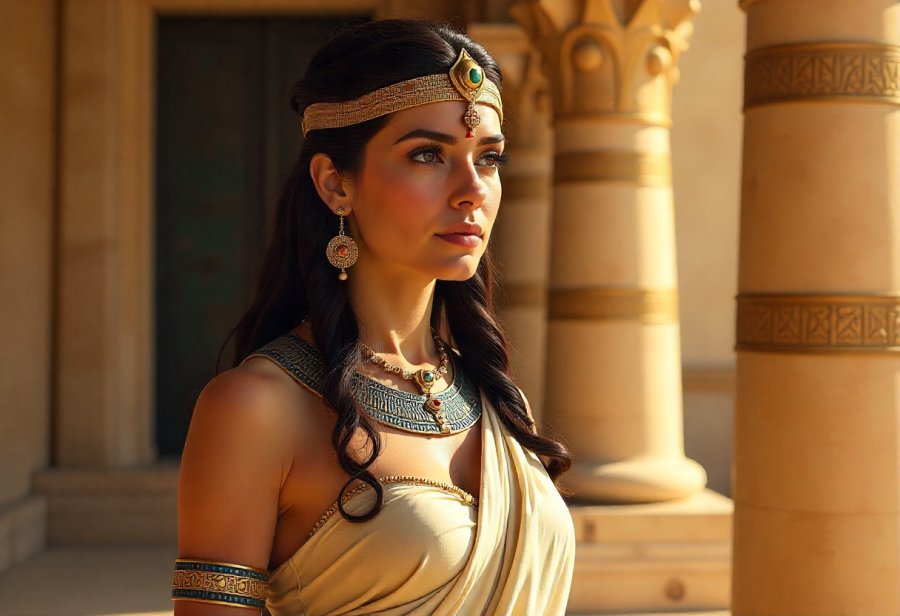
Unveiling Cleopatra’s True Power: Beyond Beauty and Romance
Cleopatra’s reputation has long been shaped by stories that highlight her beauty and romantic liaisons, often overshadowing her true strength as a leader. While popular culture tends to focus on her allure, the reality was that her power was rooted in sharp intellect and strategic skill. She understood that influence and authority came from knowing how to navigate complex political landscapes, not just personal charm. Reexamining her story through this lens reveals a far more formidable and nuanced figure than the myth suggests.
Her ability to stay afloat amid turbulence depended on diplomatic finesse, linguistic mastery, and cultural insight. Cleopatra spoke multiple languages fluently, which allowed her to communicate directly with allies and rivals alike—an essential tool in her diplomatic arsenal. Her alliances with Julius Caesar and Mark Antony weren’t mere romantic gestures; they were calculated moves to protect Egypt’s independence and bolster her position against Rome’s rising dominance. Recognizing her diplomatic mastery shifts the focus from personal relationships to her strategic mind.
Beyond politics, Cleopatra’s scholarly pursuits exemplified her intelligence and vision. She patronized the Library of Alexandria and supported scholars across philosophy, astronomy, and literature. Her commitment to knowledge wasn’t just personal interest—it was a deliberate strategy to strengthen her leadership through ideas. This intellectual curiosity enhanced her decision-making, enabling her to adapt swiftly to shifting circumstances and cultural currents. Her leadership was deeply rooted in ideas, influence, and resilience, not superficial glamour.
Far from the superficial image often portrayed, Cleopatra’s influence was based on her ability to think critically and act strategically. She understood that true power lay in ideas, diplomacy, and cultural understanding. Her mastery of influence through knowledge and her ability to blend Egyptian tradition with Hellenistic culture made her a leader who commanded respect on many levels. Her story encourages us to see leadership as a craft rooted in intelligence and adaptability, qualities that continue to resonate today.
Navigating Turbulence: Cleopatra’s Strategic Diplomacy in a Shifting World
Cleopatra VII’s reign unfolded during a time of great upheaval both within Egypt and across the broader Mediterranean landscape. Her dynasty, the Ptolemies, was of Macedonian Greek origin, having ruled Egypt for nearly three centuries by her time. This created a unique cultural blend: Greek customs intertwined with traditional Egyptian practices, often leading to internal tensions and struggles for legitimacy. Cleopatra inherited a prosperous yet fragile kingdom, where political skill was essential to maintain stability amid factional rivalries and external pressures.
Simultaneously, Egypt faced mounting challenges from Rome, which was expanding its influence across the Mediterranean. The transition from republic to empire intensified the power struggles among Rome’s generals and politicians. Cleopatra’s diplomatic efforts—alliances with Julius Caesar and later Mark Antony—weren’t casual relationships. They were carefully calculated moves aimed at safeguarding her kingdom’s independence in a shifting geopolitical environment. Her negotiations often involved delicate balancing acts, blending cultural diplomacy with strategic alliances to preserve Egypt’s sovereignty.
Growing up in Alexandria, Cleopatra benefited from the city’s reputation as a hub of learning and scholarship. The Library of Alexandria attracted scholars from across the Hellenistic world, making her a well-educated ruler. Her fluency in multiple languages—Egyptian, Greek, Latin—was a significant diplomatic asset, enabling her to communicate directly with various allies and rivals. This linguistic mastery allowed her to craft nuanced negotiations and project confidence on the international stage, making her a formidable player in regional politics.
Throughout her reign, Cleopatra skillfully blended Egyptian religious traditions with Hellenistic political customs. She portrayed herself as the divine incarnation of Isis, reinforcing her legitimacy through religious symbolism. At the same time, she adopted Greek court customs, which helped legitimize her rule among Macedonian and Greek subjects. This cultural duality was a deliberate strategy—unifying a diverse population and stabilizing her authority amid external threats and internal divisions.
Her leadership depended on her ability to adapt quickly to changing circumstances. By patronizing arts, sciences, and scholarship, she positioned herself as a protector of knowledge. Supporting the Library of Alexandria and its scholars, Cleopatra understood that wisdom and education could serve as powerful tools of influence. This cultural engagement not only reinforced her legitimacy but also expanded her influence beyond Egypt’s borders, demonstrating her mastery of cultural diplomacy.
Cleopatra’s strategic diplomacy extended beyond mere alliances; she used cultural symbolism and intellectual prowess to strengthen her position. Her ability to navigate complex political terrains, balancing Egyptian tradition with Greek influence, exemplified her adaptability and foresight. Her leadership was rooted in ideas, influence, and resilience—traits that allowed her to survive and thrive amid external threats and internal factionalism.
In this turbulent context, Cleopatra’s mastery of language, culture, and diplomacy was vital. She understood that power was not just about military might but also about influence rooted in ideas and cultural understanding. Her sophisticated navigation of her environment highlights her as a leader who combined intellect with political savvy, shaping a legacy that endures as a model of strategic leadership in times of chaos.
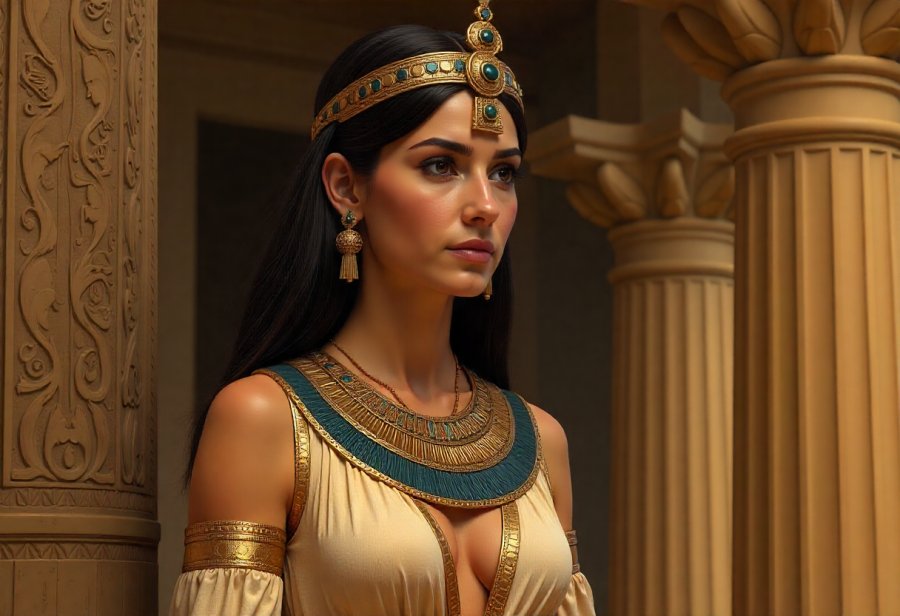
Mastermind of Influence: Cleopatra’s Intellectual and Leadership Prowess
Cleopatra’s leadership extended well beyond her royal titles; it was rooted in her sharp diplomatic acumen, cultural insight, and intellectual pursuits that made her a truly effective ruler. She understood that governing a diverse kingdom required more than just authority—it demanded a keen awareness of her subjects’ beliefs and traditions. By portraying herself as the divine Isis, she reinforced her legitimacy and unified her people through religious symbolism that resonated deeply across Egypt. This strategic use of religion and culture helped solidify her authority in a land rich with ancient traditions.
Her diplomatic finesse was a core strength. Fluent in Egyptian, Greek, Latin, and other languages, Cleopatra could communicate directly with a range of allies and rivals. This linguistic mastery allowed her to craft nuanced negotiations and project confidence on the international stage. Her alliances with Julius Caesar and Mark Antony weren’t mere personal relationships—they were deliberate political moves designed to safeguard Egypt’s independence amid Rome’s expanding influence. Her ability to navigate these complex relationships demonstrated her mastery of influence and timing.
Beyond politics, her personal passion for learning profoundly shaped her leadership style. She patronized the Library of Alexandria and supported scholars in philosophy, astronomy, and literature, viewing knowledge as a strategic resource. Her intellectual curiosity wasn’t superficial; it sharpened her decision-making and diplomatic skills, making her a ruler who combined wisdom with pragmatic action. By engaging with ideas and fostering scholarship, she positioned herself as a forward-thinking leader attuned to the cultural currents shaping her world.
Cultural symbolism played a vital role in her leadership. Cleopatra’s blending of Egyptian religious traditions with Hellenistic court customs created a distinctive political identity that appealed to a broad spectrum of her subjects. This cultural duality was a deliberate strategy to maintain stability and unity, especially in a period marked by external threats and internal factions. Her ability to weave these symbols into her governance reinforced her image as a divine, legitimate ruler who embodied both tradition and innovation.
Her influence was further strengthened by her adaptability. Cleopatra quickly responded to changing circumstances, supporting arts, sciences, and scholarship to bolster her image as a protector of knowledge. This cultural engagement extended her reach beyond Egypt’s borders, showcasing her understanding that wisdom and education could serve as powerful tools of influence. Her leadership was rooted in ideas and influence, not just personal charisma, making her a resilient figure in turbulent times.
Her mastery of language, culture, and diplomacy highlights her as a leader who understood that true power was rooted in ideas and cultural understanding. She expertly balanced Egyptian traditions with Hellenistic influences, creating a cultural environment that unified her diverse population. Her strategic use of religious symbolism and intellectual pursuits demonstrated her ability to adapt and lead through influence—traits that allowed her to survive and thrive amid external pressures and internal divisions.
Cleopatra’s leadership exemplifies the power of intelligence, strategy, and cultural savvy. Her ability to think critically, forge influential alliances, and maintain stability through ideas and influence set her apart from many of her contemporaries. Her story reminds us that effective leadership hinges on the capacity to adapt, understand cultural nuances, and wield influence through knowledge—traits that remain relevant for leaders today.
Myth Versus Reality: The Evolving Image of Cleopatra Through History and Culture
Cleopatra’s image has been shaped as much by myth and popular culture as by the historical record. Over centuries, her story has swung between the seductive temptress of legend and the brilliant, capable ruler she truly was. Hollywood’s portrayals often emphasize her beauty and romantic liaisons, reducing her legacy to surface-level traits that overshadow her true strengths. This narrow focus tends to gloss over her intelligence, diplomatic skill, and strategic mind, leaving her legacy framed more by fantasy than fact.
Scholars paint a different picture. They highlight her mastery of languages, her political savvy, and her commitment to scholarship. Her alliances with Julius Caesar and Mark Antony weren’t casual or purely romantic—they were calculated moves designed to protect Egypt’s independence and expand her influence. Recognizing these realities challenges the romanticized stereotypes and reveals her as a leader who wielded power through influence, wit, and cultural understanding rather than superficial charm.
The divide between myth and reality shows how cultural narratives can distort complex figures into one-dimensional icons. Popular stories often emphasize her mystique and beauty, neglecting her administrative acumen, intellectual pursuits, and diplomatic finesse. This imbalance diminishes her achievements, reducing her to a symbol of superficial glamour instead of a figure of strategic leadership. Reassessing her true qualities redefines her as a pioneering leader, not merely a romantic legend.
Her story also broke gender stereotypes of her era, proving women could lead through intelligence and cultural insight. Cleopatra’s ability to navigate turbulent politics, forge influential alliances, and maintain sovereignty demonstrates leadership rooted in wit and adaptability. Over time, her image has evolved from myth to a symbol of female empowerment, inspiring ongoing discussions about women in positions of power and strategic influence.
Religious and cultural symbolism played a key role in her leadership. Portraying herself as the divine Isis reinforced her legitimacy and unified her diverse subjects. This religious branding was a political tool that reinforced her authority and connected her to Egyptian traditions. Support for the Library of Alexandria and scholars further cemented her reputation as a protector of knowledge—attributes that transcend superficial glamour and reflect her true intellectual legacy.
New archaeological discoveries and ongoing research continue to reshape her story. Inscriptions, artifacts, and texts from her reign reveal a more nuanced figure—one who relied on ideas, diplomacy, and cultural influence. These insights deepen our understanding, challenging long-held assumptions and emphasizing her as a complex, strategic thinker who mastered influence in turbulent times. Today, Cleopatra’s legacy reminds us that leadership rooted in ideas, resilience, and cultural awareness endures far beyond myth.
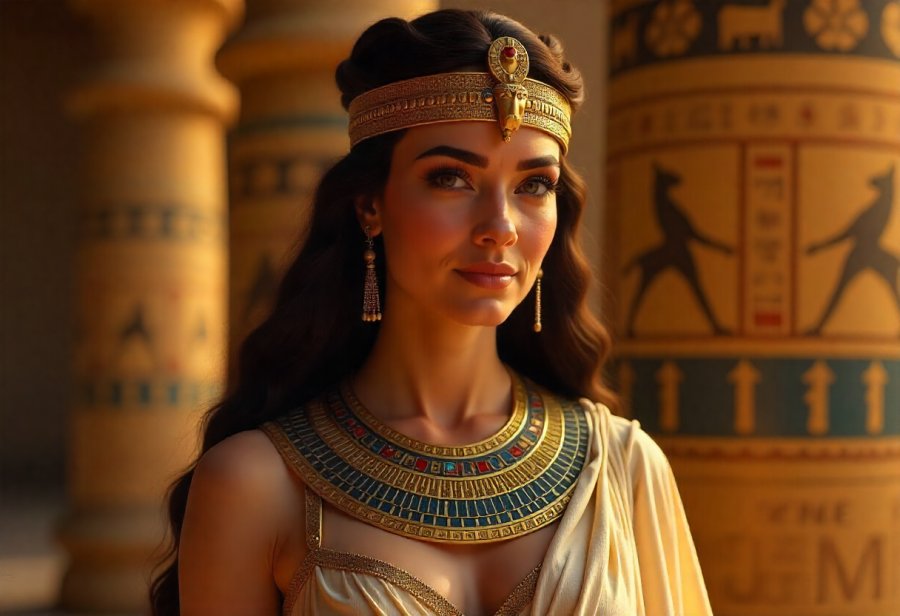
Redefining Leadership: Cleopatra’s Enduring Legacy of Wisdom and Influence
Cleopatra’s legacy has often been reduced to her beauty and romantic stories, but her true influence lay in her sharp intellect and strategic mastery. She understood that real power stemmed from knowledge, diplomacy, and cultural insight—traits that enabled her to navigate a turbulent and changing world while maintaining Egypt’s independence. Her fluency in multiple languages and deep understanding of Egyptian and Hellenistic traditions gave her the tools to influence beyond mere territory, shaping alliances and perceptions through ideas and influence.
Her partnerships with Julius Caesar and Mark Antony weren’t just personal relationships; they were calculated political moves designed to safeguard her kingdom and expand her reach. Cleopatra’s ability to blend religious symbolism, cultural traditions, and political strategy made her a formidable leader whose authority rested on influence rooted in ideas, not superficial charm. Her leadership demonstrated that mastery of influence, diplomacy, and cultural awareness could secure stability and power amid chaos.
Throughout her reign, Cleopatra balanced tradition with innovation. Portraying herself as the divine Isis reinforced her legitimacy in Egypt, while adopting Greek customs helped her connect with her Macedonian and Greek subjects. This cultural duality was a deliberate strategy—unifying a diverse population and stabilizing her rule in a land torn between ancient traditions and external threats. Her patronage of arts, sciences, and scholarship underscored her belief that knowledge was a vital tool of influence, extending her reach far beyond Egypt’s borders.
Reexamining Cleopatra through this lens shifts the focus from myth to her mastery of ideas, influence, and resilience. Her ability to adapt swiftly, forge influential alliances, and use cultural symbolism exemplifies leadership rooted in intelligence and strategic thinking. Her legacy is a testament to the enduring power of wit, knowledge, and cultural savvy—traits that remain vital in leadership today. By recognizing her true strengths, we see her not as a romantic icon, but as a pioneering figure whose influence was built on the mind.
Her story challenges us to rethink what it means to lead effectively. Leadership driven by ideas, resilience, and cultural understanding often proves more enduring than superficial attributes. Cleopatra’s example reminds us that influence rooted in intelligence and strategic insight can leave a lasting mark—one that transcends myth and legend. Her life exemplifies that genuine leadership is about mastering influence through ideas and adaptability, qualities that continue to resonate across centuries.
In the end, Cleopatra’s true power was her mind—an asset that enabled her to survive, thrive, and shape history. Her legacy encourages us to value wit, knowledge, and cultural awareness as the foundations of effective leadership. As new discoveries shed light on her complex character, her story only deepens—an enduring symbol of how intelligence and strategy define lasting influence. Her example persists as a reminder that true strength lies in the mind, a lesson as relevant today as it was in her time.