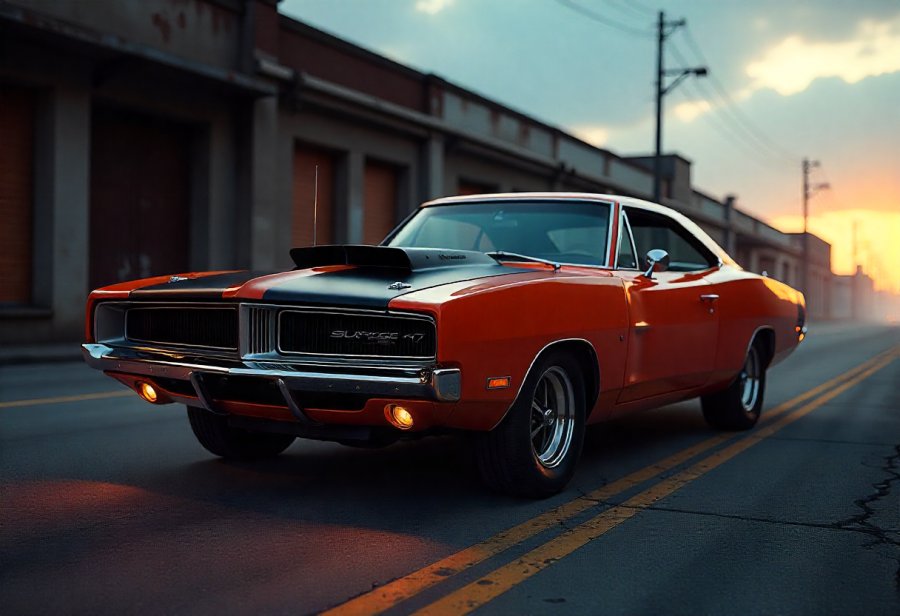
Dive into the adrenaline-fueled world of underground street racing, where speed, rebellion, and brotherhood intertwine beneath neon-lit streets. This clandestine scene has evolved from post-war roots into a global movement, fueled by innovative car modifications, shared secrets, and fierce loyalty. Beyond the thrill of the race, these communities forge unbreakable bonds through shared risks, late-night repairs, and mutual trust, transforming cars into symbols of identity and connection. Yet, as authorities intensify crackdowns and technology advances, the scene faces new challenges—balancing safety, legality, and tradition. Can the spirit of rebellion and camaraderie endure amidst increasing scrutiny? With a future blending electric innovations and a desire for authenticity, underground racing continues to adapt, driven by human resilience and a collective need for connection. This culture isn’t just about cars—it’s about defying limits and forging lifelong bonds in shadows where true brotherhood thrives.
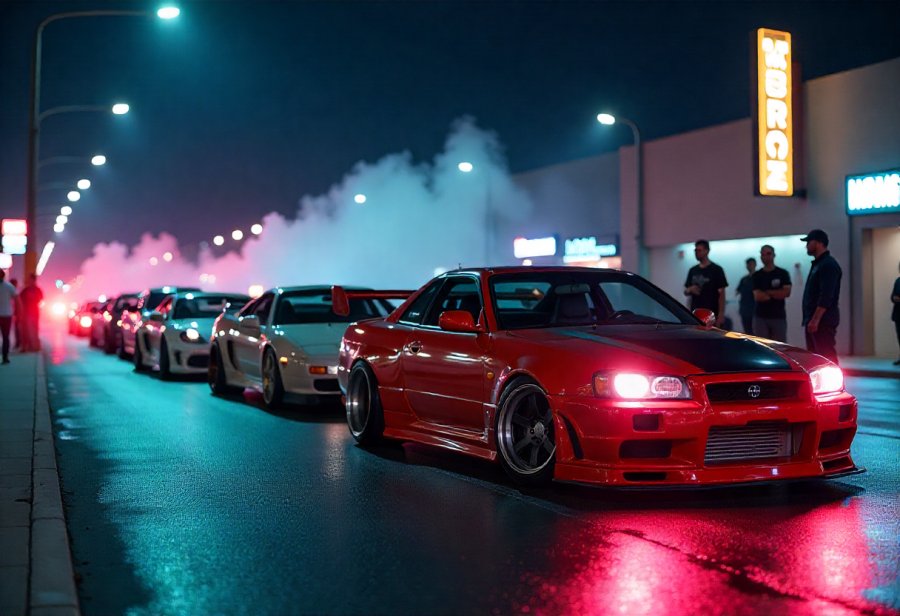
Underground Street Racing: A Culture of Rebellion and Creativity
Underground street racing has grown into more than just a reckless thrill—it’s become a vital part of urban culture for many communities around the world. These clandestine races often happen late at night in forgotten corners of the city—abandoned parking lots, quiet industrial zones, or back alleys—where the usual rules don’t seem to matter. For those involved, it’s about more than just hitting high speeds; it’s a space where they can showcase their skills, express their creativity, and carve out a sense of identity away from mainstream society’s watchful eye.
This scene is driven by a shared passion for heavily modified cars, each racer adding their own personal touch. From engine upgrades to unique paint jobs, these cars become symbols of rebellion and craftsmanship. The thrill of tuning engines, adjusting suspensions, and customizing appearances isn’t just about looks—it’s about gaining a competitive edge and making a statement. The culture’s roots stretch back decades, starting in post-World War II Southern California, inspired by movies and hot rod legends that celebrated speed and defiance.
Over time, underground racing spread beyond California’s borders, developing into a global phenomenon. Car clubs and crews formed rivalries, each vying for reputation and dominance. The secrecy of these gatherings fosters a deep sense of loyalty and trust among participants. Racers rely on each other’s skills, shared secrets about modifications, and mutual support in risky situations. These bonds often extend beyond the race, creating friendships rooted in a common love for speed and rebellion.
Technology has played a key role in shaping this underground scene. Advancements in high-performance parts and tuning techniques have transformed ordinary street cars into high-speed machines capable of competing with professional racers. Meanwhile, underground videos and social media have helped spread the culture, inspiring new enthusiasts and strengthening community ties. Despite constant threats from law enforcement, racers adapt, finding new locations and methods to keep their passion alive while staying under the radar.
At its core, underground street racing is about more than just the rush of the race. It’s about creating a community—one built on loyalty, shared risks, and a collective desire for freedom. For many, it’s a form of youthful rebellion, a way to express individuality while forging unbreakable bonds. The scene’s history shows how a simple act of racing in secret grew into a worldwide movement, driven by passion, ingenuity, and the pursuit of adrenaline. Even as society’s attitudes shift and technology evolves, the spirit of brotherhood and rebellion continues to thrive in these underground streets.
From Post-WWII Roots to Global Phenomenon: The Evolution of Underground Racing
Underground street racing didn’t emerge overnight; it’s a scene that has gradually evolved over decades, shaped by cultural shifts, technological progress, and a shared desire to push limits. Its origins trace back to post-World War II Southern California, where young drivers began racing muscle cars in back alleys and deserted streets. Inspired by Hollywood movies and hot rod legends, they saw racing as a form of rebellion and a way to stand out. These early gatherings were raw and intense, driven by adrenaline and a need for recognition within tight-knit groups.
As the 1950s and 60s rolled in, the scene grew more organized. Car enthusiasts started modifying their vehicles—adding powerful engines, sleek body kits, and bold paint—seeking an edge in clandestine races. This period marked a shift toward technical skill, with each upgrade reflecting personal style and ingenuity. Races often took place at night to avoid law enforcement, creating an aura of danger and exclusivity that strengthened bonds among racers and their crews.
Over time, the underground racing scene expanded beyond California, reaching cities worldwide. Car clubs and crews formed rivalries, each vying for reputation and dominance. The secretiveness of their gatherings fostered fierce loyalty and trust, as racers depended on each other’s skills and shared secrets about modifications. This sense of rebellion, craftsmanship, and community transcended borders, uniting enthusiasts in a common passion for speed and defiance.
Technological advances played a crucial role in shaping the culture. High-performance parts, custom engines, and suspension upgrades transformed regular street cars into high-speed contenders. The rise of underground videos and social media further amplified the scene’s mystique, inspiring newcomers and fostering a global community. Despite increased crackdowns and law enforcement efforts, racers adapted by finding new locations and operating more discreetly, ensuring the scene’s resilience.
The evolution of underground racing is also a story of resilience. As authorities tighten restrictions and safety concerns grow, the community continues to innovate—organizing underground meetups, online forums, and secret races that keep their spirit alive. The core values of rebellion, craftsmanship, and brotherhood remain steadfast, even as the scene shifts further into the shadows. This ongoing adaptability keeps the culture vibrant, blending tradition with new ideas and technologies.
Through all these changes, one thing remains clear: underground street racing is more than just a pursuit of speed. It’s a testament to human resilience and a deep desire for connection, self-expression, and freedom. Its history, rooted in daring acts and tight bonds, shows how a clandestine activity can grow into a global movement. Even as external pressures mount, the scene’s spirit endures—driven by passion, innovation, and a relentless pursuit of adrenaline.
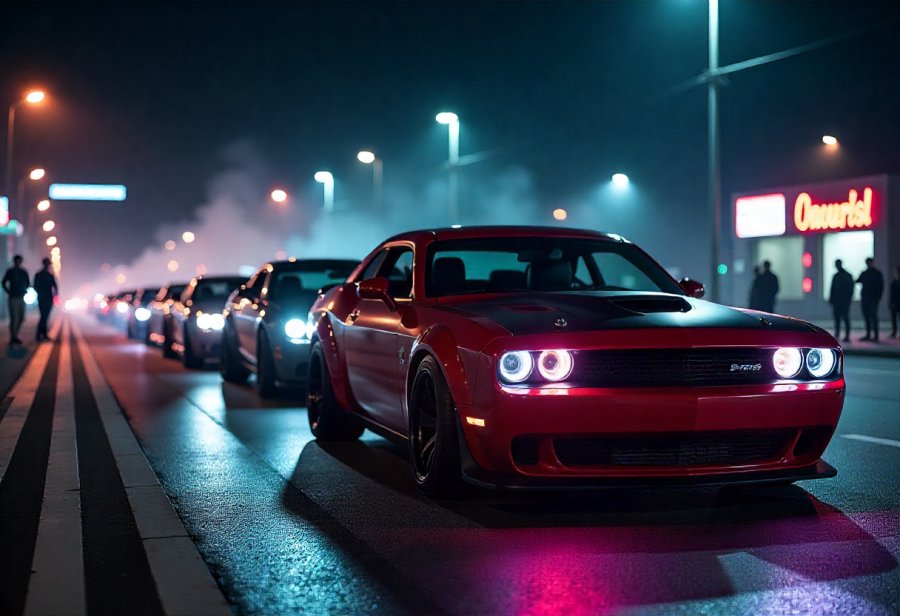
Brotherhood and Loyalty: The Deep Bonds Forged in the Shadows
Underground street racing creates bonds that run much deeper than the thrill of the race itself. Amid the chaos and danger, racers develop a level of trust and loyalty that often feels more like family than just a community of enthusiasts. These relationships are built through shared experiences—late-night repairs in sketchy back alleys, quick thinking during unexpected setbacks, and standing together during legal threats or rival confrontations. In these moments, reliance on each other’s skills and judgment cements a sense of brotherhood that extends far beyond the asphalt.
This unspoken trust becomes the backbone of every crew, where loyalty is earned through perseverance and sacrifice. Night after night, members exchange tips, secrets about modifications, and encouragement, transforming their cars into symbols of identity and commitment. Support doesn’t end when the race does; crews rally around each other during legal issues, injuries, or disputes, reinforcing that their bonds are stronger than any external threat. These relationships are rooted in shared risks and victories, creating a collective sense of purpose that fuels their passion.
Personal stories highlight how these connections endure over time. Many racers recall late drives in abandoned lots, where trust was tested and strengthened through mutual support and technical sharing. One racer might help another rebuild after a crash, embodying the loyalty that defines their brotherhood. Such acts of solidarity show that underground racing isn’t just about speed—it’s about forging lasting relationships based on mutual respect and care.
The scene’s secrecy and constant threat of law enforcement put these bonds to the test. Crews operate with a high level of discretion, relying heavily on trust to stay safe and connected. Disagreements over strategies or territory can strain relationships, but genuine loyalty prevails, often bringing members closer in adversity. The dangers of high-speed crashes or legal trouble only deepen their commitment, as members stand by each other in moments of crisis, reinforcing their sense of unity.
At its core, underground street racing is a culture of loyalty, trust, and shared struggle. It’s about creating a space where bonds are forged through adversity, risk, and the collective pursuit of adrenaline. The relationships built in this world go beyond the cars and races—they are about belonging, resilience, and a collective identity rooted in loyalty. These connections sustain the scene, keeping the spirit alive even in the shadows, proving that brotherhood in underground racing is as vital as the engines they race.
Impact on Communities: Practical Realities of Underground Racing
Underground street racing leaves a tangible mark on the neighborhoods where it takes place. These secret gatherings often become part of the local fabric, shaping both perceptions and realities within communities. In many urban areas, abandoned lots, quiet industrial zones, or neglected neighborhoods serve as makeshift racetracks, transforming overlooked spaces into hubs of activity and camaraderie. For participants, these sites are more than just racing grounds—they’re locations where skills are honed, friendships are strengthened, and a shared passion takes root.
However, the impact isn’t solely positive. The roar of engines and squealing tires can disturb residents, contributing to noise pollution and safety concerns. Law enforcement agencies are always on the lookout, deploying surveillance tools and increasing patrols to crack down on illegal races. This constant threat forces racers to operate with heightened discretion, often relocating to new spots or timing their events carefully to avoid detection. Despite these challenges, many crews emphasize respect for neighborhoods and safety, organizing clandestine meetups that balance thrill with responsibility.
The culture also influences local economies and skills development. Young enthusiasts learn technical trades—engine tuning, suspension upgrades, aerodynamic modifications—that can lead to legitimate careers in automotive repair, customization, or racing industries. Some crews turn their passion into entrepreneurship, offering customization services or entering sanctioned competitions. These practical benefits provide a pathway for economic growth and personal advancement, especially for youth seeking alternatives to conventional careers.
Loyalty and safety shape how these groups function day-to-day. Members rely heavily on trust—sharing technical knowledge, helping with repairs, or supporting each other through legal threats. They organize secret meetings, online forums, and word-of-mouth plans to keep their scene thriving while minimizing risks. Disputes over territory or strategies are handled carefully, with loyalty often trumping conflict. The risks of accidents or legal trouble only deepen these bonds, as members stand united in facing adversity.
Building a crew involves more than cars and racing skills; it’s about cultivating a sense of community. Regular gatherings, whether physical or virtual, reinforce bonds and foster a shared identity. Sharing knowledge, celebrating victories, and supporting members through setbacks create a sense of belonging that extends beyond the track. These routines ensure the scene remains vibrant and resilient, rooted in mutual respect and shared purpose.
Despite external pressures and safety concerns, underground racing endures as a compelling example of passion-driven community. Its influence extends into local culture, offering opportunities for skill-building and entrepreneurship. By balancing secrecy with camaraderie, these groups sustain their scene—adapting to new technologies and societal attitudes—while preserving the core values of loyalty and brotherhood. The culture continues to thrive in the shadows, driven by human resilience and an unbreakable need for connection and adrenaline.
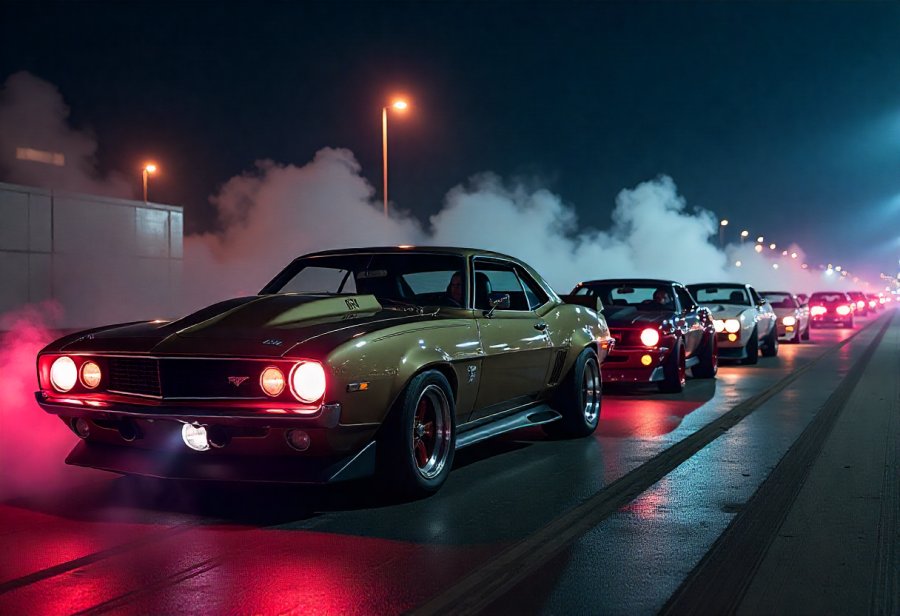
Navigating the Future: Tradition, Innovation, and the Unbreakable Spirit of Underground Racing
Underground street racing is a scene that continues to adapt and evolve, shaped by new technologies, changing cultural attitudes, and mounting external pressures. As electric vehicles become more affordable and accessible, they’re beginning to influence how racers approach speed and modifications, blending innovation with tradition. Quieter, cleaner options are emerging, but the core thrill of pushing limits remains unchanged. Meanwhile, law enforcement is stepping up efforts to crack down on illegal races, deploying advanced surveillance tools and stricter penalties that push the scene deeper into the shadows. This heightened scrutiny makes trust and discretion more vital than ever for those involved.
Despite these challenges, the essence of underground racing—brotherhood, loyalty, and adrenaline—persists strongly. The community’s resilience shows in its ability to find new ways to stay connected through online forums, clandestine meetups, and secret races. The bonds formed in these moments are powerful enough to withstand external threats because they’re rooted in shared risks and victories that transcend the physical act of racing. Technological advances and creative modifications continue to inspire fresh waves of enthusiasts, ensuring the scene’s vitality and relevance.
Public perception is shifting as well, with increasing awareness of safety risks and legal consequences. Some in the community advocate for safer, more regulated outlets for automotive passion, aiming to preserve the culture while minimizing harm. Yet, the desire for freedom and rebellion remains strong, attracting new members who see underground racing as a vital form of self-expression and connection. This tension between safety and rebellion continues to fuel debates, prompting some to explore semi-legal or legal alternatives that capture the scene’s energy without the risks of illegality.
Looking forward, the scene is likely to blend tradition with innovation. Digital tuning, electric powertrains, and eco-friendly modifications will probably become more common, reshaping what’s possible on the streets. At the same time, the core values of loyalty, brotherhood, and shared purpose will anchor the culture, guiding its development in new directions. The challenge will be balancing the rebellious spirit with safety and legality, ensuring that the community’s essence remains intact even as it shifts into different spaces—whether secret or more formal.
What remains clear is that the deep bonds forged through shared passion and risk are the heartbeat of underground racing’s resilience. These relationships are more than just friendships—they’re a testament to the human need for connection, belonging, and self-expression. As new generations emerge, driven by innovation and a desire for freedom, the scene’s core spirit—adrenaline-fueled brotherhood—will continue to thrive. Its future is rooted in these enduring human qualities, promising that underground street racing will remain a powerful, living culture.
In the end, underground racing isn’t just about cars or speed; it’s about a shared mindset that values loyalty, resilience, and community. Its ability to adapt without losing sight of its roots ensures it will persist in the shadows, inspiring new stories of rebellion and brotherhood. No matter how technology advances or external pressures mount, the scene’s unbreakable bonds will keep it alive—fueling dreams, forging identities, and pushing limits for generations to come. The thrill of the race may evolve, but the spirit of brotherhood remains timeless.