What if true strength in leadership isn’t measured by external conquests but by inner discipline and resilience? Marcus Aurelius exemplifies this paradox — a ruler who prioritized self-control amid wars, plagues, and political turmoil. His life prompts us to question whether lasting influence stems from mastering oneself rather than external achievements. This exploration reveals that cultivating inner virtues like self-awareness, emotional regulation, and resilience can transform how leaders navigate chaos, make decisions, and inspire trust. Practical routines such as reflection and mindfulness build this internal strength, fostering clarity and moral integrity in turbulent times. As the world grows more complex and unpredictable, the most enduring leaders will be those who focus on developing inner mastery—creating a foundation that sustains influence beyond fleeting successes. Marcus Aurelius’s legacy reminds us that internal discipline is not just an inner virtue but a strategic advantage for authentic, lasting leadership in any era.

Inner Discipline: The Quiet Force Behind True Leadership
Leadership often gets associated with outward displays of power—conquering territories, rallying crowds, or making headlines with bold moves. But beneath these visible signs of strength lies a quieter force that’s equally, if not more, vital: inner discipline. This internal resilience shapes how leaders respond to stress, make decisions, and stay aligned with their core values, especially in turbulent times. It’s a form of strength that doesn’t seek applause or recognition but quietly sustains a leader through chaos and uncertainty.
Throughout history, some of the most influential figures have demonstrated this principle. Marcus Aurelius, the Roman emperor and Stoic philosopher, exemplifies how inner discipline can be the foundation of true leadership. His ability to remain calm amid wars, plagues, and political unrest came from a deep commitment to self-control and mental resilience. His writings in Meditations reveal a man dedicated to mastering himself—showing that real strength isn’t just about external accomplishments but about inner virtue and clarity.
In today’s fast-paced, unpredictable world, the importance of inner discipline is clearer than ever. Leaders face complex challenges—from global crises to rapid technological change—that demand resilience and sound judgment. External symbols of power may attract attention temporarily, but they fade quickly. Inner discipline provides a steady foundation, helping leaders stay grounded and adaptable. Those committed to developing mental fortitude and self-awareness tend to make better decisions, inspire trust, and lead with purpose, no matter what storms come their way.
This shift from focusing on external achievements to cultivating inner strength marks a profound redefinition of leadership. It’s about building a resilient mindset that can withstand setbacks, manage emotions, and remain aligned with long-term values. Developing this internal discipline isn’t about perfection but about ongoing growth—through daily habits like reflection, mindfulness, and self-control. Over time, these practices reinforce the stability and clarity needed to navigate the complexities of modern leadership.
Recognizing that true power begins within transforms how we see leadership itself. It reminds us that external success is fleeting compared to the lasting influence of inner resilience. Leaders who prioritize self-mastery and inner strength create a foundation that not only sustains them but also inspires others. Their influence isn’t measured solely by achievements but by the quiet confidence and integrity that guide their actions through any storm. Ultimately, leadership rooted in inner discipline becomes a legacy of wisdom, virtue, and lasting impact.
Building Blocks of Inner Discipline: Principles for Effective Leadership
Inner discipline in leadership is built on a few core principles that serve as its foundation. At the heart of it is self-awareness—understanding your strengths, weaknesses, and emotional triggers. When leaders recognize their own patterns, they can navigate stressful situations more effectively and avoid impulsive reactions. This clarity helps them stay true to their values, making their actions consistent and authentic. Alongside self-awareness is emotional regulation: managing feelings so they don’t cloud judgment or lead to rash decisions. Developing this skill allows leaders to remain calm and focused, even amid external chaos.
Resilience is another key element. Mental fortitude helps leaders withstand setbacks, criticism, and uncertainty. It’s not about ignoring difficulties but facing them with resolve and a clear mind. Cultivating resilience often comes through deliberate reflection—taking moments to pause, evaluate responses, and learn from experiences. Regular self-assessment strengthens the ability to stay centered and make better decisions, reducing emotional reactivity. Leaders who commit to this daily practice develop a steadiness that underpins effective leadership.
Controlling impulses and reactions is essential for building trust and credibility. Leaders who can pause before acting demonstrate discipline and self-control—traits that inspire confidence. This doesn’t mean suppressing emotions but managing them wisely, channeling passion into constructive actions rather than impulsive outbursts. When behaviors consistently align with core principles, a stable internal environment emerges that supports authentic influence and sound judgment. This internal mastery becomes a guiding compass through complex situations.
Historical figures like Marcus Aurelius exemplify these principles. His daily routines of reflection and journaling were more than habits—they were tools to reinforce inner resilience. By regularly reviewing his thoughts and actions, he strengthened his inner discipline, enabling him to govern with calm and clarity amid chaos. His life demonstrates that inner mastery is accessible through deliberate daily habits and that true strength originates from within, not external conquests. This mindset fosters resilience, wisdom, and integrity—qualities that sustain effective leadership.
Across traditions like Stoicism, Buddhism, and Confucianism, similar themes emerge: external events are beyond our control, but our responses are within reach. Developing inner discipline involves daily practices such as reflection, mindfulness, and self-control exercises. Over time, these habits reinforce resilience and clarity, guiding leaders through challenges with purpose and consistency. Building this internal strength transforms reactive decision-making into thoughtful action, creating a stable foundation for authentic influence and lasting impact.

Marcus Aurelius: A Model of Wisdom, Discipline, and Inner Resilience
Marcus Aurelius serves as a compelling example of leadership grounded in wisdom, discipline, and inner resilience. As Roman emperor from 161 to 180 AD, he faced relentless pressures—wars along the Danube, devastating plagues, and internal political strife. Despite these external chaos, he consistently turned inward, practicing self-control and mental fortitude that became the bedrock of his leadership. His personal journal, Meditations, offers a window into how daily reflection and self-examination fortified his inner strength.
Through deliberate routines of journaling and introspection, Marcus cultivated a disciplined mind capable of navigating crises with calm and clarity. Each day, he reviewed his thoughts, actions, and reactions, using these insights to reinforce his commitment to virtue. This practice of self-awareness was not just about personal growth but a vital tool for maintaining moral integrity amid turmoil. His ability to remain composed under pressure wasn’t accidental; it stemmed from ongoing efforts to master his mind and emotions.
Marcus understood that external events are beyond control, but his responses were entirely within his power. When setbacks or criticisms arose, he chose to focus on maintaining his principles, resisting impulsive reactions. This internal discipline transformed him into a moral compass—an emperor who governed not just with armies and laws, but with a steady, virtuous heart. His leadership was rooted in self-mastery, demonstrating that true strength begins within.
What makes Marcus Aurelius’s example so enduring is that his inner resilience was accessible through consistent, disciplined effort. His routines—journaling, reflection, mindfulness—show that self-control and wisdom are cultivated daily. His life underscores that leadership rooted in inner discipline isn’t reserved for philosophers or rulers; it’s within reach for anyone willing to commit to regular practice. This internal strength became his greatest asset, enabling him to face external chaos without losing his sense of purpose.
His example also highlights how inner mastery shapes external influence. By modeling calm, rational decision-making, Marcus inspired loyalty and trust among his followers. His ability to govern with virtue in turbulent times set a standard for authentic leadership—one that values internal resilience over external accolades. His legacy reminds us that leadership’s greatest power is the ability to govern oneself first and foremost.
Marcus’s leadership was more than a series of wise decisions; it was a reflection of his inner discipline. His calm demeanor and unwavering virtue turned chaos into clarity, demonstrating that true strength is born from within. His life affirms that self-mastery and inner resilience are not just personal virtues but vital qualities for effective, lasting leadership.
Today’s leaders can draw inspiration from Marcus Aurelius’s life. His example proves that inner discipline is the foundation of authentic influence and moral authority. In a world filled with external distractions and upheaval, cultivating mental resilience and virtue remains the most dependable path to enduring leadership. His story encourages us to look inward and develop the inner strength that truly defines a leader—one who rules not just lands, but hearts and minds.
Translating Inner Discipline into Real-World Leadership and Decision-Making
Understanding inner discipline has a powerful influence on how leaders approach their roles and make decisions. When leaders cultivate self-awareness and resilience, they can maintain clarity and composure even under intense pressure. This mental steadiness allows them to evaluate problems objectively, weigh options carefully, and act with purpose rather than reacting impulsively. As a result, their choices align more closely with their core values, building trust and credibility with those they lead.
In today’s fast-changing environment, internal strength becomes even more critical. Leaders face complex challenges—technological disruptions, societal shifts, and unforeseen crises—that require adaptability rooted in inner resilience. Leaders who have developed this inner fortitude can stay steady, adjusting strategies without losing sight of their principles. Their ability to pause, reflect, and manage emotional reactions creates a sense of stability within their organizations, encouraging others to remain calm and proactive amid chaos.
This internal discipline also shapes organizational culture. Leaders who demonstrate self-control, authenticity, and moral clarity set a standard that others are likely to follow. When teams observe their leaders managing stress gracefully and making decisions based on integrity, it fosters a workplace environment built on honesty, responsibility, and emotional regulation. Over time, such a culture enhances collaboration, loyalty, and long-term resilience, making the organization better equipped to handle future challenges.
Building inner discipline isn’t an overnight process, but consistent daily practices strengthen this internal foundation. Leaders can incorporate mindfulness exercises, reflection, or simple pauses before responding to difficult situations. These habits cultivate resilience and clarity over time, transforming reactive decision-making into thoughtful, purpose-driven actions. By intentionally nurturing this internal strength, leaders develop a more deliberate approach that inspires confidence and trust in their teams.
Prioritizing inner growth shifts leadership from a reactive stance to a proactive one. Leaders who focus on self-awareness and resilience create a stable platform for sound decisions and authentic influence. They navigate external pressures not with panic or haste, but with calm confidence rooted in inner discipline. This inward focus not only enhances decision quality but also leaves a lasting legacy of integrity and wisdom—traits that endure beyond fleeting external successes.
Leadership’s Future: Cultivating Inner Strength for Lasting Impact
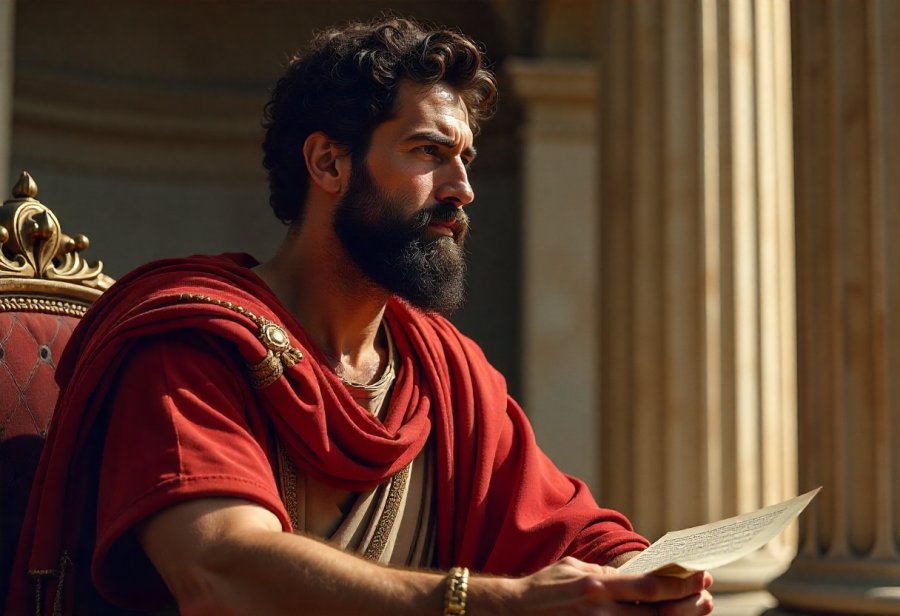
As leadership continues to evolve in a world marked by rapid change and increasing uncertainty, the importance of inner strength becomes ever more evident. The story of Marcus Aurelius reminds us that genuine power doesn’t stem from external achievements or titles but from cultivating wisdom, discipline, and resilience within. These qualities have timeless relevance, providing a sturdy foundation that can withstand even the most turbulent times. Future leaders are likely to place greater emphasis on developing emotional intelligence, mindfulness, and moral clarity—traits rooted in inner discipline that foster authentic influence and lasting impact.
This shift toward valuing inner strength reflects a broader understanding that sustainable leadership depends on enduring qualities. Inner resilience, self-awareness, and moral integrity create a sense of stability and purpose, guiding organizations through complex challenges. As societal expectations lean toward transparency and authenticity, those who nurture inner discipline will be better equipped to navigate cultural shifts, technological disruptions, and crises with clarity and purpose. Leaders who act consistently with their values inspire trust and loyalty, reinforcing the idea that true leadership begins within.
Building inner strength isn’t a one-time effort but a continuous process. Developing habits like mindfulness, reflective journaling, and resilience training can help leaders stay centered amid external chaos. These practices strengthen mental resilience over time, making it easier to maintain clarity and purpose when facing unforeseen difficulties. Investing in inner growth today prepares leaders to meet tomorrow’s challenges with confidence and integrity, creating a ripple effect that benefits entire organizations and communities.
As technology and global interconnectedness add layers of complexity, leaders will need to manage vast amounts of information, cultural differences, and unexpected crises—all without losing sight of their moral compass. The most effective will be those who have cultivated deep inner resilience, enabling them to adapt without sacrificing purpose. Inner discipline will serve as their anchor, helping them remain steady and focused regardless of external circumstances. In this way, internal mastery becomes not just a personal virtue but a strategic advantage in navigating the future.
Historical figures like Marcus Aurelius serve as powerful reminders that internal mastery is accessible to anyone committed to the journey. It’s not about perfection but about consistent effort—day by day—strengthening the inner self. This ongoing process builds an internal armor capable of shielding leaders from external chaos and guiding their decisions with wisdom. In a culture often obsessed with quick wins and external validation, the most enduring leaders will be those who recognize that the greatest empire they can build is within themselves. Inner discipline isn’t just a virtue; it’s the ultimate foundation for genuine, lasting leadership.