Transforming Toronto yards into breathtaking outdoor retreats isn’t just about aesthetics—it’s a delicate dance between beauty, sustainability, and client satisfaction. How do designers craft spaces that are visually stunning, eco-friendly, and perfectly tailored to their owners’ lifestyles? This guide explores the evolving landscape of Toronto’s outdoor spaces, emphasizing native plants, water-efficient features, and recycled materials that support resilience and environmental health. It reveals that successful landscapes are built on harmony, contrast, and thoughtful design, with ongoing maintenance and homeowner education playing crucial roles. As climate challenges mount, future innovations like smart irrigation and energy-efficient lighting promise to keep these retreats vibrant and sustainable. Can homeowners and designers create outdoor environments that seamlessly blend natural beauty with ecological responsibility? The answer lies in a balanced approach—an inspiring promise for how Toronto’s yards will continue to evolve as vital, resilient sanctuaries in an urban world.
Transform Your Outdoor Space with Toronto Landscape & Design
Looking to elevate your Toronto backyard? Toronto Landscape & Design (TLD) offers expert backyard makeover solutions that combine natural stone, water gardens, irrigation systems, and retaining walls. Our award-winning designers meticulously consider every detail to create stunning, functional landscapes tailored to your needs. Whether you desire a tranquil water feature or durable retaining walls, TLD is your trusted partner for transforming outdoor spaces. Reach out today via email at [email protected] or call 1.416.644.0499 to discuss your project and experience the difference of professional landscape design in Toronto.
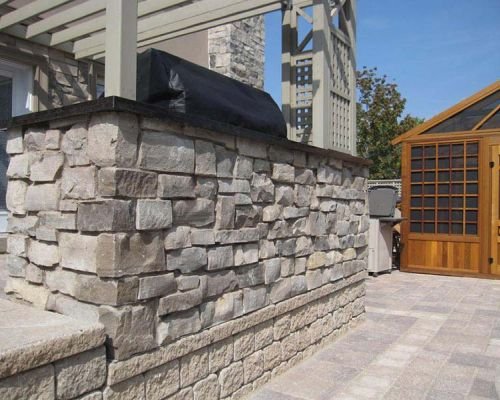
Transforming Toronto Yards into Year-Round Retreats of Beauty and Sustainability
Transforming Toronto yards into inviting outdoor retreats goes beyond planting a few flowers or laying pavers. It’s about designing spaces that blend beauty with sustainability, creating environments homeowners can enjoy year-round. In a city where urban life meets pockets of natural beauty, the goal is to craft outdoor areas that enhance everyday living while standing up to the test of time.
This process begins with understanding Toronto’s unique climate and ecosystem. Choosing native plants that thrive locally, incorporating water-efficient features, and selecting eco-friendly materials are essential steps. These choices not only make the landscape more sustainable but also reduce ongoing maintenance and ecological impact. The result is a personalized sanctuary that’s visually appealing, environmentally responsible, and easy to care for.
Creating such spaces requires listening closely to what homeowners want—whether it’s a peaceful retreat, a lively gathering spot, or a low-maintenance garden. By capturing their lifestyle and preferences, designers can develop plans that truly reflect their vision. Collaboration ensures the final result feels authentic and meaningful, transforming ideas into tangible, functional outdoor spaces.
Designing with sustainability in mind also involves innovative features like rain gardens, recycled hardscaping, and smart irrigation systems. These elements support environmental goals while adding visual interest and practicality. Thoughtfully integrated lighting and energy-efficient systems further enhance usability, making the yard not just beautiful but also adaptable to changing needs.
The journey from concept to completion doesn’t stop at installation. Ongoing maintenance and homeowner education are vital to keeping the space vibrant and resilient. Regular care, seasonal updates, and guidance on sustainable practices help ensure the outdoor retreat remains a source of pride and relaxation for years to come.
In Toronto’s evolving landscape, balancing aesthetic appeal with eco-conscious design isn’t just a trend—it’s a necessity. By prioritizing native plants, water-saving features, and innovative materials, homeowners and designers can create outdoor environments that are both stunning and sustainable. This approach not only respects the city’s natural rhythms but also sets a standard for future outdoor transformations.
The key is harmony—integrating plants, hardscaping, and features seamlessly to craft a cohesive space that reflects the homeowner’s personality. Focal points like striking trees or water features add personality and serve as visual anchors, while careful use of contrast keeps the landscape lively without feeling chaotic.
Ultimately, transforming Toronto yards into outdoor retreats means creating spaces that support both environmental health and personal comfort. When design, installation, and maintenance work together, they produce outdoor environments that are beautiful, functional, and built to last—places where city life and nature coexist in harmony, offering a peaceful escape right in the backyard.
The Evolution of Toronto Landscape Design: From Practicality to Sustainability
Toronto’s landscape design has evolved hand in hand with the city’s growth, shifting from practical, simple yards to thoughtfully crafted outdoor spaces. In the early days, many yards were just patches of grass or basic gardens focused on utility rather than style. As Toronto expanded, residents started seeing outdoor areas as extensions of their homes, sparking a move toward more structured, attractive designs. Decorative plants, pathways, and focal features transformed mundane yards into personal statements, adding character and charm to neighborhoods.
Over time, environmental awareness began influencing landscape choices. Homeowners and designers recognized that yards could do more than look good—they could support local ecosystems and conserve resources. Native plants, which naturally thrive in Toronto’s climate, became a cornerstone of sustainable landscaping. These plants need less water, fertilizers, and pesticides, making them easier to maintain and more environmentally friendly. Water-efficient features like rain gardens and drip irrigation also gained popularity, helping manage stormwater and reduce water use.
Today, Toronto’s landscape scene balances innovation with tradition. Modern designers incorporate new technologies while respecting time-tested principles. Recycled materials, permeable paving, and eco-friendly hardscaping are now common, reducing environmental impact and increasing durability. This shift towards sustainability reflects a broader city-wide effort to protect green spaces amid urban development pressures. It’s a practical response to climate challenges, ensuring yards remain vibrant, resilient, and eco-conscious over the long term.
Toronto’s climate, with hot summers and cold winters, heavily influences design trends. Native plants are favored because they adapt well to seasonal extremes, requiring less water and chemical inputs. This focus on climate-resilient landscaping not only supports environmental health but also simplifies ongoing maintenance. Modern landscapes are now designed with adaptability in mind, allowing outdoor spaces to flourish throughout the year and reducing the need for intensive care.
Looking ahead, sustainable practices and innovative solutions will continue shaping Toronto’s outdoor spaces. Drought-tolerant plants, smart irrigation, and energy-efficient lighting will become standard features, helping homeowners maintain beautiful gardens with less effort. As climate challenges mount, these advancements will ensure Toronto’s yards remain lush and functional, seamlessly blending beauty with environmental responsibility. The city’s landscape design is poised to grow more dynamic, resilient, and aligned with the evolving needs of its residents and the planet.
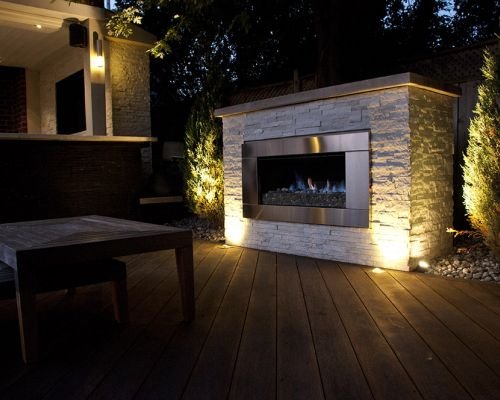
Foundations of Sustainable Beauty: Core Principles for Landscape Success
Creating a stunning and sustainable landscape begins with clear, guiding principles that inform every decision. Balance is key—integrating plants, structures, and open spaces so they work together harmoniously. A well-designed yard avoids clutter and emphasizes focal points, creating a sense of order and visual interest that feels natural and inviting. These focal points, whether a striking tree, a water feature, or a piece of art, serve as anchors that draw the eye and give the space personality.
Harmony and contrast are equally vital. Harmony ensures that all elements—textures, colors, and materials—blend seamlessly, producing a cohesive look. Contrast, on the other hand, introduces variety that keeps the landscape lively and engaging, preventing it from feeling monotonous. Skillful use of color, shape, and texture creates visual excitement while maintaining a unified aesthetic.
Native plants are the backbone of sustainable landscaping. They thrive naturally in Toronto’s climate, requiring less water, fertilizers, and pesticides. Using these plants supports local ecosystems and reduces maintenance, making the landscape more resilient over time. Pairing native species with water-efficient features like rain gardens and drip irrigation helps conserve resources and manage stormwater effectively.
Durability and eco-friendliness come from selecting recycled and reclaimed materials for hardscaping. Recycled pavers, reclaimed wood, and permeable paving not only lessen environmental impact but also add character and longevity to the landscape. These choices create a resilient foundation that can withstand the city’s climate extremes and age gracefully.
Designing with adaptability in mind ensures the landscape remains functional and beautiful for years. Layered plantings add depth and visual appeal, while flexible hardscape features allow for future modifications as needs or tastes change. This approach creates a space that continues to evolve without losing its core beauty and purpose.
A successful landscape isn’t just about aesthetics; it’s about creating a space that supports the homeowner’s lifestyle while respecting the environment. Focal points and balanced compositions guide the eye naturally, making the yard feel both polished and personal. Thoughtful hardscaping provides structure without overpowering natural elements, fostering a sense of tranquility and order.
Finally, ongoing care is essential. Regular maintenance, seasonal updates, and sustainable practices ensure the landscape remains vibrant and healthy. Educating homeowners on proper care and resource-efficient techniques encourages long-term stewardship. When these principles come together—balance, harmony, native plants, durable materials, and adaptability—the result is a landscape that’s not only beautiful and sustainable but also a true reflection of the homeowner’s vision and values.
Turning Design Ideas into Reality: Practical Steps for Client Satisfaction
Turning a landscape concept into a successful outdoor space hinges on clear communication and a deep understanding of the client’s vision. Listening carefully during early discussions helps uncover whether they seek a peaceful retreat, a lively entertaining area, or a low-maintenance garden. This insight guides the design process, ensuring the final plan genuinely reflects their lifestyle and aesthetic preferences. Visual tools like mood boards or digital renderings can help clients see their ideas come to life, fostering confidence and alignment before moving into installation.
Once the concept is defined, translating it into a detailed, practical plan is crucial. A comprehensive blueprint guides every step—from selecting plants to installing hardscaping—balancing beauty, functionality, and budget. Presenting this plan visually reassures clients that their ideas are being respected and that the project is progressing smoothly. It also helps identify potential challenges early, allowing for adjustments that keep the project on track.
During installation, attention to detail and quality control make all the difference. Coordinating with contractors and suppliers ensures timely delivery of materials and precise execution of the design. Regular site visits allow for real-time adjustments, preventing costly mistakes and delays. Keeping clients informed throughout the process fosters trust and makes them feel involved, transforming the project into a collaborative effort rather than just a service.
Post-installation, guiding homeowners on landscape care ensures their outdoor space remains vibrant and sustainable. Providing clear instructions on watering, pruning, and seasonal updates empowers clients to maintain their yard with confidence. Offering written guides or hosting quick walk-throughs helps reinforce their understanding, extending the life and beauty of the landscape. This ongoing support nurtures a sense of partnership, encouraging long-term satisfaction.
A successful project aligns with the homeowner’s expectations and lifestyle, but it also depends on ongoing maintenance and adaptability. As plants mature and seasons change, small updates can keep the landscape feeling fresh without significant overhaul. Educating clients about sustainable practices, such as native planting and resource-efficient watering, fosters responsible stewardship and enhances the landscape’s resilience.
Seamless communication from start to finish turns a vision into reality. Clear, honest dialogue ensures everyone is on the same page, reducing misunderstandings and surprises. When clients see their ideas realized in a way that’s both beautiful and practical, they develop a stronger emotional connection to their outdoor space. This sense of ownership and pride turns a simple yard into a true retreat.
By integrating thoughtful design, meticulous execution, and ongoing support, landscape professionals can create outdoor environments that exceed expectations. The key lies in balancing aesthetic appeal with practical needs while maintaining open lines of communication. When these elements work harmoniously, the result is a resilient, inspiring outdoor retreat that owners will cherish for years to come.
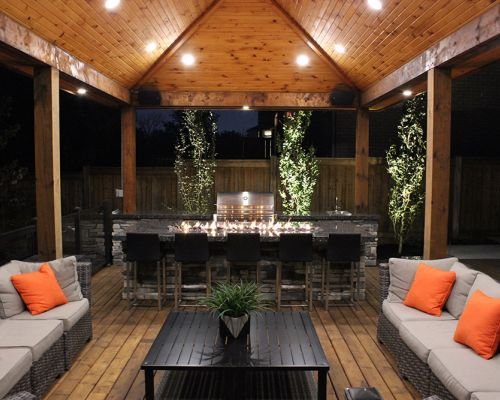
Looking Ahead: Future Trends in Toronto’s Outdoor Retreats
As Toronto continues to grow and evolve, so will the ways we transform outdoor spaces into beautiful, sustainable retreats. The ideas explored here show that balancing aesthetic appeal with eco-conscious practices isn’t just a passing trend—it’s essential for the future of landscape design. Native plants, water-efficient features, and eco-friendly materials will become even more central as homeowners seek outdoor areas that are stunning, resilient, and environmentally responsible.
Looking ahead, climate challenges and urban development will push landscape design toward greater innovation. Drought-tolerant plants and smart water management will be standard tools to ensure gardens thrive despite unpredictable weather. Advances in technology—like automated irrigation, energy-efficient lighting, and modular hardscaping—will make maintenance easier while enhancing the beauty and functionality of outdoor retreats. These innovations will help keep Toronto’s yards vibrant and sustainable for years to come.
The importance of native plants and green practices will only grow stronger, driven by a broader awareness of climate change and environmental impacts. Supporting local biodiversity, reducing resource use, and designing for resilience will be priorities. As homeowners experience the benefits of sustainable landscaping firsthand, the demand for eco-friendly solutions will rise, encouraging designers to push creative boundaries and blend cutting-edge ideas with traditional principles.
Technology will play a bigger role in maintaining and customizing outdoor spaces, making it possible to adapt landscapes as needs change. Energy-efficient lighting, smart irrigation systems, and adaptable hardscape features will allow homeowners to personalize their retreats, keeping them relevant and enjoyable throughout shifting seasons and lifestyles. This focus on flexibility will ensure outdoor environments remain both beautiful and functional over the long term.
Staying informed and embracing ongoing learning will be critical for both designers and homeowners. Workshops, industry insights, and digital resources will help everyone stay up-to-date on new materials, plant varieties, and sustainable practices. This continuous evolution will foster more innovative, environmentally conscious designs—spaces that respond effectively to Toronto’s unique climate and urban landscape.
By weaving together beauty, resilience, and sustainability, Toronto’s outdoor retreats will become more than just attractive spaces—they will be vital havens that support local ecosystems, climate adaptation, and personal well-being. The future landscape of the city’s yards promises outdoor environments where nature and city life coexist in harmony, offering relaxation, inspiration, and ecological support for years to come.