Nylon, a material woven into our daily lives—clothing, carpets, outdoor gear—comes with a hidden environmental toll rooted in its petrochemical origins. Its production relies on extracting fossil fuels, a process that devastates ecosystems, consumes vast energy, and releases greenhouse gases fueling climate change. The chemical processes involved in transforming oil and natural gas into durable nylon fibers are energy-intensive and produce hazardous waste, contaminating soil and waterways. Moreover, nylon’s resistance to biodegradation means it persists in landfills for centuries, shedding microplastics that threaten marine life and human health. As demand for nylon grows, so does the cycle of ecological destruction—resource extraction, pollution, and climate impact—raising urgent questions about sustainability. Could innovations like recycled or bio-based nylon break this cycle? Exploring these complexities invites us to reconsider the environmental cost embedded in everyday products and inspires us to seek more responsible, eco-friendly alternatives.

Unraveling Nylon’s Widespread Presence and Hidden Environmental Costs
Nylon is everywhere. It’s in the clothes we wear, the carpets we walk on, and the outdoor gear we rely on. Its versatility and durability have made it a staple in countless products, often without us giving it much thought. We see nylon as just another material—convenient, affordable, and long-lasting. But behind its widespread use lies a complex story of environmental impact that is often hidden from view.
At its core, nylon is a synthetic fiber created through chemical processes. It belongs to a class of plastics called polyamides, which are made by linking small molecules into long chains. Most commonly, nylon 6,6 is produced by combining hexamethylenediamine and adipic acid. This process results in a strong, elastic fiber that can be spun into threads and woven into fabrics. Its efficiency and scalability have helped nylon become a go-to material across industries, from fashion to industrial manufacturing.
However, the origins of nylon are rooted in fossil fuels—oil and natural gas—that are extracted through intensive and resource-consuming methods. These processes often cause environmental disruption, from habitat destruction to water pollution. Once extracted, the raw materials are refined into basic chemicals such as ethylene and benzene, which serve as the building blocks for plastics. These chemicals are then processed into monomers like hexamethylenediamine and adipic acid, the key ingredients for nylon production.
The production itself is energy-intensive, relying heavily on fossil fuels. Polymerization, the chemical reaction that links monomers into long chains, requires high heat and pressure, consuming large amounts of energy. During this process, significant greenhouse gases, including carbon dioxide and nitrous oxide, are released. These emissions contribute directly to climate change, making nylon manufacturing a notable contributor to global warming.
Beyond emissions, the manufacturing of nylon produces hazardous waste and chemical byproducts. If not properly managed, these substances can contaminate local soil and water, harming ecosystems and communities. Chemical runoff from factories often carries nitrates, phosphates, and toxic compounds into nearby waterways, leading to issues like algal blooms and aquatic toxicity. Improper disposal of waste chemicals can cause long-term soil contamination, affecting plant life and animal habitats.
Dependence on fossil fuels deepens nylon’s environmental footprint. Extracting and refining oil and gas involves habitat loss, water pollution, and spill risks that devastate ecosystems. The ongoing demand for nylon accelerates resource extraction, fueling a cycle of ecological damage. Every yard of nylon produced is tied to these environmental costs, from resource depletion to pollution and greenhouse gas emissions.
The energy required to produce nylon is primarily derived from burning fossil fuels, further intensifying its climate impact. The chemical reactions involved in converting raw materials into nylon fibers are highly energy-demanding, leading to substantial carbon footprints. This cycle of resource extraction, energy use, and pollution underscores the urgent need for alternative, eco-friendlier methods of production.
Moreover, nylon’s durability becomes a double-edged sword after its initial use. It does not biodegrade, meaning it persists in landfills for centuries. As nylon waste accumulates, it gradually sheds microplastics—tiny particles that escape waste management systems during washing and disposal. These microplastics enter oceans and rivers, where they threaten marine life and contaminate the food chain, impacting human health. Recognizing these hidden costs is crucial as we seek sustainable solutions and more responsible consumption habits.
From Petrochemicals to Pollution: The Hidden Toll of Nylon Production
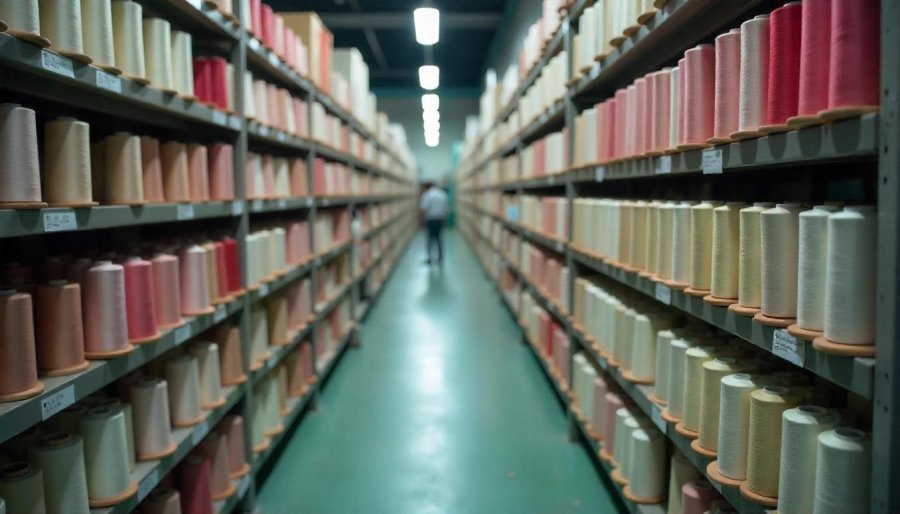
Nylon’s journey begins deep within the world of petrochemicals—extracted from finite resources like oil and natural gas. These raw materials are obtained through energy-intensive processes that often disturb ecosystems, consume vast amounts of water, and release substantial greenhouse gases. Once extracted, they undergo refining to produce basic chemicals such as ethylene and benzene, which are the foundational building blocks for a wide range of plastics, including nylon. These chemicals are then transformed into specialized monomers—most notably hexamethylenediamine and adipic acid—that are essential for creating nylon fibers.
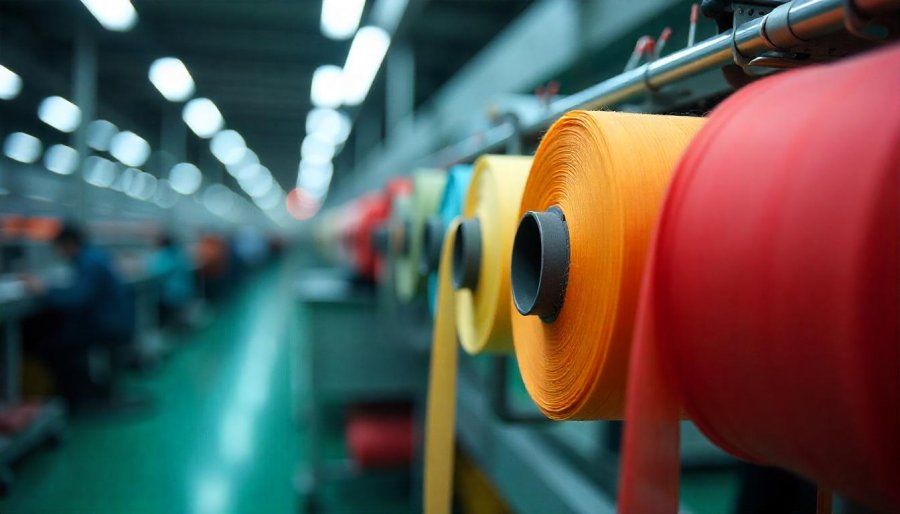
The core of nylon production hinges on a chemical process called polymerization. In this process, small molecules called monomers are linked together to form long, resilient chains known as polymers. It requires high heat and pressure, which makes the process highly energy-demanding. During polymerization, significant quantities of greenhouse gases—like carbon dioxide and nitrous oxide—are emitted, contributing notably to climate change. This stage alone underscores the environmental toll embedded in every yard of nylon fibers produced.
Beyond greenhouse gases, the manufacturing of nylon produces hazardous waste and chemical byproducts that pose risks if not managed properly. These substances can contaminate local soil and water sources, impacting ecosystems and nearby communities. Chemical runoff often carries nitrates, phosphates, and toxic compounds into rivers and lakes, leading to problems such as algal blooms and aquatic toxicity. Improper disposal of waste chemicals can result in long-term soil contamination, affecting plant life and animal habitats over decades.
Dependence on fossil fuels for nylon’s creation intensifies its ecological footprint. Extracting and refining oil and natural gas involves habitat destruction, water pollution, and spill risks that devastate local ecosystems. As global demand for nylon continues to rise, so does the pressure to extract more fossil fuels, perpetuating a cycle of environmental degradation. Every step—from resource extraction to chemical processing—is linked to ecological harm, making nylon’s production a significant contributor to global pollution and climate change.
Energy consumption during nylon manufacturing further amplifies its environmental impact. Most of the energy used comes from burning fossil fuels, which releases large amounts of greenhouse gases into the atmosphere. The chemical reactions necessary to convert raw materials into nylon fibers are highly energy-intensive, adding to the carbon footprint at each stage. This cycle of resource extraction, energy use, and pollution highlights the urgent need for cleaner, more sustainable production methods that can break this dependency.
The lasting nature of nylon means that waste persists long after disposal. It does not biodegrade, instead remaining in landfills for hundreds of years. Over time, nylon products shed microplastics—tiny particles that escape waste management systems during washing and disposal—contaminating oceans and freshwater bodies. These microplastics threaten marine life and enter the food chain, posing risks to human health. The environmental costs of nylon’s production and waste are intertwined, emphasizing the importance of rethinking how we produce and consume synthetic fibers to foster a more sustainable future.
Nylon’s Lasting Impact: Pollution, Microplastics, and Climate Change
Nylon’s impact on the environment extends far beyond the factory floor. One of the most pressing issues is microplastic pollution. Every time nylon textiles are washed, they shed tiny particles—so small they often slip through water filtration systems. These microplastics enter oceans, lakes, and rivers, where marine life mistakes them for food. Fish, plankton, and other aquatic creatures ingest these particles, which can cause physical harm and disrupt reproductive systems. As microplastics accumulate up the food chain, they pose a serious threat to biodiversity and human health alike.
Because nylon is a synthetic polymer, it refuses to break down naturally. Instead, it endures in landfills for hundreds of years, slowly leaching microplastics and toxic chemicals into surrounding soil and water. This persistence turns nylon waste into a long-lasting pollutant that contributes significantly to the global plastic crisis. Discarded nylon products—clothing, carpets, industrial materials—pile up in landfills, where their durability prevents decomposition and ensures they remain a source of environmental contamination for centuries.
The environmental toll of nylon manufacturing compounds these issues. The process releases large quantities of greenhouse gases, like carbon dioxide and nitrous oxide, which are potent drivers of climate change. Chemical runoff from factories often carries nitrates, phosphates, and toxic byproducts into nearby water bodies, leading to algal blooms and oxygen-depleted zones that threaten aquatic ecosystems. When waste chemicals are improperly disposed of, they contaminate soil and water, impacting plant life and wildlife long after production has ceased.
Dependence on fossil fuels deepens nylon’s ecological footprint. Extracting and refining oil and natural gas involves habitat destruction, water pollution, and spill risks. As demand for nylon grows, so does the pressure to extract more fossil resources, fueling a cycle of environmental degradation. Every step—from resource extraction to chemical processing—is linked to ecological harm, making nylon’s entire lifecycle a contributor to climate change and ecosystem disturbance.
Energy consumption during nylon production further amplifies its environmental impact. Most of the energy used comes from burning fossil fuels, which releases significant greenhouse gases. The chemical reactions that convert raw materials into nylon fibers are highly energy-intensive, adding to the carbon footprint at each stage. This cycle of resource use and pollution underscores the need for cleaner, more sustainable methods of manufacturing that can break the dependency on fossil fuels.
Nylon’s durability, while advantageous for consumers, becomes a curse in the waste stage. It does not biodegrade, instead remaining in landfills for centuries. Over time, nylon products shed microplastics and release residual chemicals, continuously polluting soil and water. This long-lasting presence contributes to the mounting crisis of plastic waste, threatening ecosystems and biodiversity. The accumulation of nylon waste, especially in fast fashion and disposable products, intensifies the ecological strain on our planet.
Addressing nylon’s environmental impact requires a shift in how we approach production and consumption. Recycled nylon and bio-based alternatives offer promising ways to reduce reliance on fossil fuels and decrease emissions. Consumers can support this transition by choosing eco-friendly products, practicing textile recycling, and advocating for sustainable fashion. Recognizing the full scope of nylon’s footprint is essential if we are to develop effective solutions that protect our environment and future generations.