What if the greatest barrier to enjoying water isn’t skill or safety, but the courage to take that first step? Learning to swim at any age can be a transformative journey—from overcoming childhood fears to rediscovering confidence later in life. This inspiring exploration reveals how simple acts like splashing or floating gradually turn water from an intimidating obstacle into a safe, joyful space of empowerment. Combining practical techniques with emotional support, the path emphasizes patience and persistence, encouraging readers to integrate water confidence into daily routines and social experiences. As the narrative highlights ongoing innovations and community efforts, it challenges perceptions of age and ability, illustrating that the gift of swimming is accessible to all. Are you ready to turn your water fears into lifelong freedom? The journey to confidence begins with one brave, small step—and the rewards are life-changing.
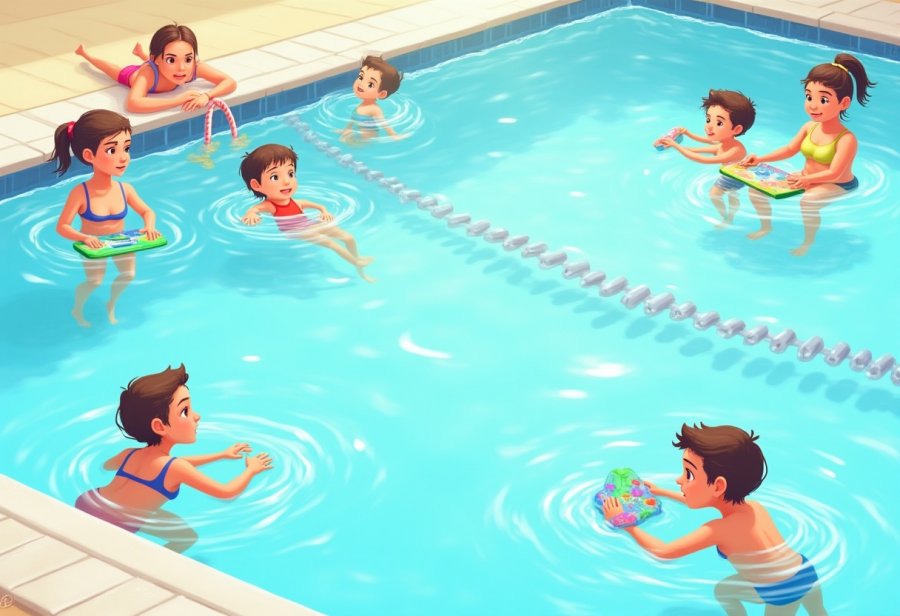
Transforming Water Fears into Lifelong Confidence
Learning to swim isn’t just a childhood milestone; it’s a skill that can be embraced at any age and has the power to transform how you see water. Many adults carry lingering fears rooted in past experiences or unfamiliarity, making the idea of stepping into a pool feel intimidating. But those fears aren’t fixed. Taking that first step—whether it’s dipping your toes in or sitting on the pool’s edge—sets off a process of change. It shifts water from a source of anxiety to a space of safety, joy, and possibility.
This journey begins with understanding that water fear is common and normal. Childhood memories of splashes or negative experiences can stick with us, but they don’t have to define our relationship with water forever. Recognizing that everyone’s comfort levels differ and that progress is personal helps reduce pressure. With patience and gentle encouragement, even the most hesitant can start to build trust in the water and in their own abilities.
Building water confidence involves more than just physical skills; it’s about cultivating a mindset of trust and curiosity. Small acts—like sitting at the pool’s edge, splashing water on your face, or blowing bubbles—are powerful steps. These simple actions reinforce that water can be safe and manageable. As you gradually become more familiar with water sensations, your fears begin to fade, replaced by a sense of control and empowerment.
The importance of this initial stage extends beyond individual growth. It lays the foundation for more advanced skills and helps establish a positive, lifelong relationship with water. Approaching swimming with patience and an open mind, celebrating each small victory, and trusting that every effort counts will steadily transform fear into confidence. Every splash, float, and stroke becomes a building block, turning water from a threat into a space of freedom and joy.
Starting this journey might feel daunting, but remember that the first step is always the hardest. Once you begin, each small success builds momentum. With patience, support, and persistence, you’ll find that water no longer feels like an obstacle but becomes a place of empowerment—opening doors to new adventures and a lifelong love of swimming. Confidence in water isn’t reserved for the young; it’s a gift anyone can give themselves at any age.
Preparing Your Mind and Environment for Success
Before stepping into the pool, taking a moment to prepare both your mind and your environment can make all the difference. Familiarizing yourself with basic water safety tips and understanding the layout of the pool helps create a sense of control and confidence. Knowing where safety equipment like life rings and first aid stations are located, and remembering simple rules—such as avoiding running around the pool or swimming alone—builds a foundation of security that eases nerves and encourages a relaxed approach.
Cultivating a positive mindset is just as crucial as physical preparation. Reminding yourself that learning to swim is a gradual process, and setbacks are normal, helps keep expectations realistic. Visualizing yourself floating calmly or taking small steps forward can reduce anxiety and reinforce your belief that progress is possible. Setting small, achievable goals—like sitting at the pool’s edge or blowing bubbles—turns the journey into manageable milestones, making each success feel like a win.
Choosing the right gear can also boost your confidence from the start. Comfortable swimsuits that fit well, along with safety devices like floatation aids, serve as reassurance tools. These items aren’t just about safety—they’re about feeling secure enough to focus on learning. When your gear feels right, it’s easier to stay relaxed and fully engaged in the water, rather than distracted by discomfort or uncertainty.
Support from a patient instructor or a trusted friend can dramatically influence your experience. Having someone who understands your fears and offers encouragement helps you stay calm and motivated. They can gently correct your technique, celebrate small victories, and remind you that every step forward is progress. Feeling supported makes the process less intimidating and transforms it into a shared journey rather than a solo challenge.
Gradual exposure is key to transforming water fears into familiarity. Start with simple acts like sitting on the pool’s edge, splashing water on your hands, or blowing bubbles. These small interactions help you get used to water’s sensations without pressure. Over time, such activities foster trust in the water and in your ability to handle it, laying the groundwork for more advanced skills down the line.
Patience is essential. Learning to swim isn’t something to rush—each session builds on the last. Celebrate every tiny victory, whether it’s dipping your toes or floating briefly. Recognize that progress is cumulative and that every effort, no matter how small, reinforces your growing confidence. This mindset transforms water from a source of fear into a space of calm and control.
Creating a safe, welcoming environment is the final piece of the puzzle. Choose beginner-friendly pools with qualified instructors who prioritize safety and encouragement. When safety and support are at the forefront, you’re more likely to enjoy the process and stay committed. Remember, your journey is unique—trust it, and give yourself permission to learn at your own pace.
Ultimately, mental and practical preparation set the stage for success. The more you equip yourself with knowledge, positive expectations, and support, the more comfortable and confident you’ll feel stepping into the water. Each moment of readiness brings you closer to transforming water from an intimidating obstacle into a familiar, safe space where you can grow and thrive.
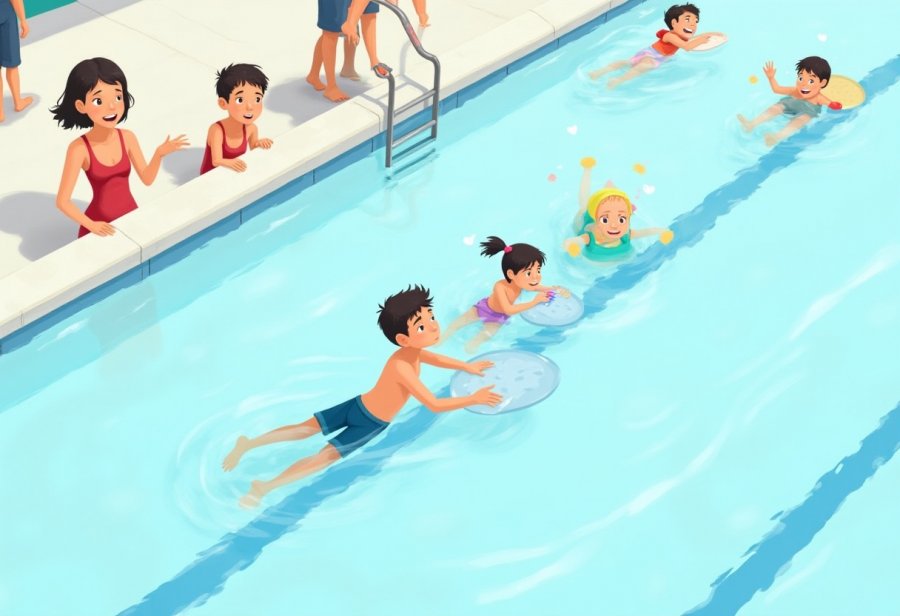
Effective Techniques to Build Water Skills and Trust
Building confidence in the water often begins with simple, focused exercises that gradually build trust and familiarity. One of the most effective starting points is mastering breathing techniques, such as blowing bubbles in the water. This exercise helps you get comfortable with face immersion and controlling your breath, reducing panic and promoting calmness when your face is submerged. Practicing regularly makes these sensations feel less foreign and more manageable.
Floating is another foundational skill that encourages relaxation and balance. Whether on your back or stomach, floating teaches you to stay still and trust your body in the water. Using tools like kickboards or floatation devices can make floating less intimidating, allowing you to focus on feeling secure. As you become more relaxed while floating, you’ll naturally develop better breathing patterns and body awareness, which are crucial for progressing in swimming.
Once floating feels natural, working on kicking drills helps develop leg strength, coordination, and propulsion. Using a kickboard allows you to concentrate on your leg movements without worrying about sinking or losing balance. Practicing across the pool or along the wall, gradually increasing your distance, helps reinforce these movements and boosts your confidence. Consistent practice ensures steady progress and reduces hesitation.
Arm movements come next. Starting with basic strokes like front crawl or breaststroke involves slow, deliberate motions. Supportive exercises, such as practicing arm pulls while holding onto the pool’s edge or using a pull buoy, help you focus on technique without sinking. Combining these arm and leg movements as you improve makes your strokes more fluid and natural, laying the groundwork for more advanced swimming skills.
Guidance from a patient instructor or a supportive peer can accelerate your learning. They can provide gentle corrections, encouragement, and help you avoid developing bad habits. Practicing with others fosters a positive environment where small victories—like floating a little longer or swimming a short distance—are celebrated. This camaraderie makes the process more enjoyable and motivates continued effort.
Consistency is key. Setting aside regular practice sessions, even just 15 to 30 minutes a few times a week, helps you build skills and confidence steadily. Breaking techniques into manageable goals and celebrating each achievement keeps you motivated. Over time, these small efforts transform initial fears into trust, turning water into a space of confidence and enjoyment.
Remember, progress in water confidence doesn’t happen overnight. Patience and persistence are your best tools. Each session, each splash, and each small success reinforce your trust in water. By sticking with these techniques and maintaining a positive mindset, you’ll find yourself more comfortable, confident, and eager to explore more advanced swimming skills.
Integrating Swimming into Your Daily Life for Lasting Confidence
Integrating swimming into your daily routine can be simple and highly effective for building lasting water confidence. Even just 15 to 20 minutes a few times a week dedicated to water activities helps reinforce your skills and makes swimming feel like a natural part of your life. Find a consistent time—whether early mornings, lunch breaks, or evenings—that works for you, and stick with it. Regular exposure to water creates familiarity, gradually dissolving fears and transforming swimming from a daunting task into an enjoyable habit.
If accessing a pool regularly isn’t always possible, there are other ways to stay connected with water and maintain your progress. Practicing breathing exercises or water familiarization in your bathtub or sink can keep you comfortable with water sensations. Sitting in your tub, splashing water on your face, or holding your breath underwater for short moments helps reinforce that water is safe and manageable. These small but consistent interactions serve as touchpoints, making transitions to full swimming sessions smoother and more natural.
Sharing water activities with family or friends can boost motivation and make learning more fun. Planning outings to the beach, community pools, or water parks creates positive associations with water and provides social support. When others are involved, practicing new skills feels less intimidating and more like a shared adventure. These experiences normalize water exposure, helping you stay motivated and committed to your confidence journey.
Setting clear, manageable goals keeps your progress steady and gives you a sense of achievement. Celebrate every milestone, whether it’s dipping your toes in, floating, or swimming a short distance. Tracking these small wins encourages persistence and reminds you that each step forward builds your comfort and trust. Over time, these small accomplishments turn water from a source of anxiety into a familiar, safe space where confidence can flourish.
Consistency remains key. Even on days when motivation wanes, a quick splash, a few breaths, or a brief float can reinforce your progress. The goal isn’t perfection but regular, intentional practice. The more you integrate water into your routine, the more natural and confident your relationship with it becomes. This ongoing effort gradually shifts your perception, transforming water from an obstacle into an environment of relaxation, fun, and lifelong safety.
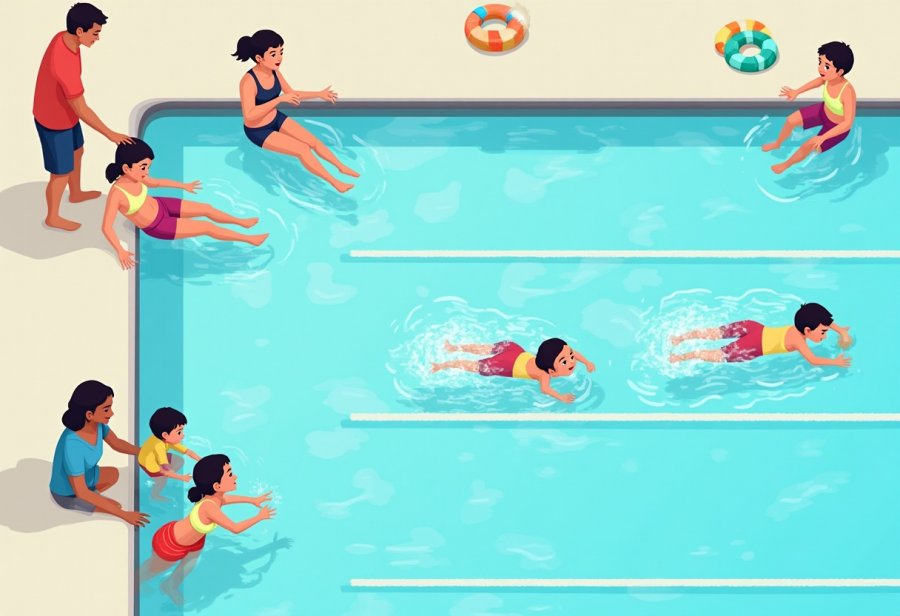
A Bright Future: Embracing Water Safety and Lifelong Swimming Journeys
As awareness around water safety and confidence continues to grow, communities are making meaningful strides to ensure that learning to swim is accessible for people of all ages. More programs now focus on removing barriers—whether they’re financial, physical, or psychological—that previously kept many from taking that first step. This shift creates an environment where everyone can develop lifelong swimming skills and feel comfortable around water, regardless of their background or past experiences.
Technology is playing an increasingly vital role in supporting water confidence journeys. From virtual coaching apps to wearables that track progress and provide instant feedback, these tools make learning more engaging and personalized. Innovations like virtual reality simulations offer safe spaces for practicing skills, particularly for those who feel overwhelmed or hesitant. Such advancements not only accelerate learning but also make the process more inviting and less intimidating.
Instructors are now tailoring their approaches to meet individual needs, focusing on customizing techniques based on personal fears, physical limitations, or learning styles. This personalized attention helps learners progress at a comfortable pace, fostering trust and resilience. As a result, the journey from water fear to confidence becomes more attainable and enjoyable, encouraging a lifelong love of swimming.
A growing emphasis on mental well-being and emotional resilience is shaping the future of water safety. Promoting a positive mindset and gradual exposure helps individuals overcome fears and develop a genuine appreciation for water activities. This holistic approach reduces accidents and nurtures a positive, enduring relationship with water—transforming it from a source of danger into a space for relaxation, adventure, and health.
Stories of adults finally learning to swim or seniors regaining independence in water highlight that it’s never too late to start. These inspiring journeys remind us that with patience, support, and persistence, anyone can develop the skills needed for safe, enjoyable water experiences. Each success adds to a growing movement that values confidence, safety, and joy in water for all ages.
Looking ahead, efforts are focused on making water safety and swimming skills even more inclusive. Initiatives aim to eliminate barriers through community programs, affordable access, and specialized adaptations for diverse needs. As awareness spreads, the vision of universal water confidence becomes clearer—something everyone can pursue, no matter where they begin.
Advancements in education, technology, and community support are paving the way for a future where learning to swim is a lifelong journey accessible to everyone. Every person who overcomes their fears helps build a safer, more confident society—where water is no longer a threat but a place of freedom, connection, and joy. The ongoing progress promises a world where water confidence is universal, empowering individuals to enjoy water safely and happily for years to come.