Embarking on your first camping adventure can feel intimidating, but shifting your mindset transforms uncertainty into opportunity. How does approaching outdoor challenges with curiosity and resilience turn setbacks into memorable stories? This guide emphasizes the power of positivity, patience, and humor in navigating unfamiliar terrain, unpredictable weather, and other surprises. By preparing thoughtfully—packing essentials, practicing setup, and researching campsites—you set a foundation for confidence and enjoyment. More than just logistics, cultivating a relaxed, appreciative attitude helps you connect deeply with nature’s simple joys, from sunsets to wildlife encounters. As you gain experience, opportunities for growth—whether through new skills or sustainable practices—keep your outdoor journey fresh and fulfilling. Can embracing mistakes and surprises elevate your outdoor experience from mere camping to a lifelong passion? Ultimately, a positive, adaptable outlook turns every trip into a rewarding adventure, inspiring confidence, bonding, and lasting memories.
Harnessing the Power of a Positive Mindset for a Successful First Camping Trip
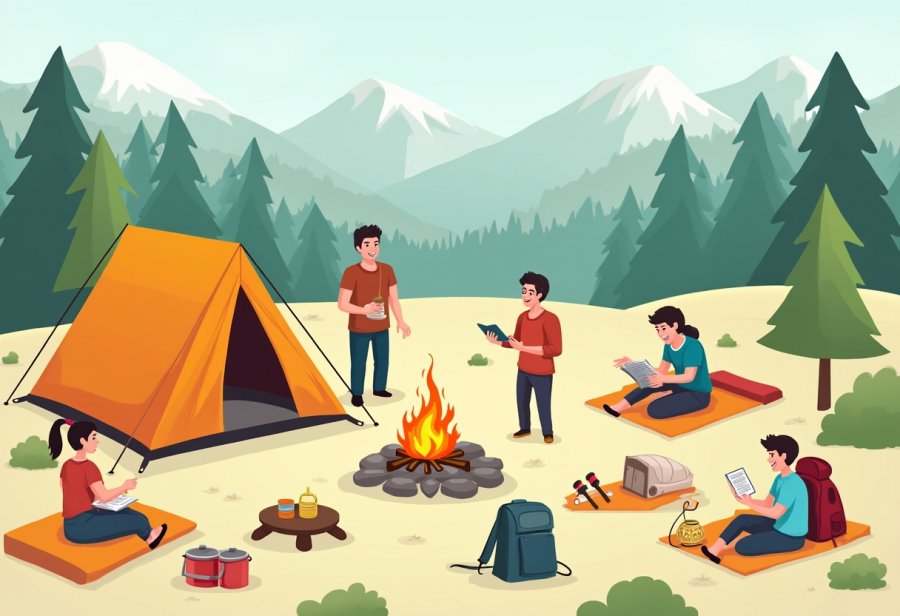
Starting your first camping trip can feel like stepping into the unknown, but your mindset makes all the difference. Approaching the outdoors with an open and positive attitude turns potential stressors into opportunities for fun and growth. Instead of focusing on what might go wrong, seeing challenges as part of the adventure helps you stay calm, curious, and flexible. This perspective transforms setbacks—like struggling with tent setup or unexpected weather—into learning moments rather than frustrations.
Having the right mental approach encourages patience and humor, which are essential when things don’t go perfectly. A cheerful outlook not only keeps you grounded but also influences those around you, creating a relaxed and supportive atmosphere. When everyone is in good spirits, the entire experience becomes more enjoyable and memorable. Your mindset can turn even minor inconveniences into shared stories that bring everyone closer together.
Preparing for a first trip isn’t just about packing gear; it’s about setting expectations and mental readiness. Embracing a sense of curiosity and resilience helps you handle unforeseen surprises with confidence. Knowing that things might not be flawless allows you to relax and appreciate the moment, rather than stressing over imperfections. This attitude keeps you present and open to the simple joys of nature—whether it’s a stunning sunset, the sound of birds, or a peaceful night under the stars.
Your mental outlook also influences how you handle discomfort or setbacks. When faced with a sudden rainstorm or a tricky campsite, staying calm and adaptable turns what could be a stressful situation into part of the story. These moments of resilience often become the most cherished memories, reinforcing that outdoor adventures are as much about mindset as they are about the destination. Approaching camping with confidence and patience makes each trip richer and more rewarding.
Ultimately, your mindset is your most powerful tool before, during, and after your outdoor adventure. It shapes your experience and determines how much you enjoy the journey. When you go into it with curiosity, adaptability, and a sense of humor, camping becomes less about perfection and more about discovery. Each trip becomes an opportunity to learn, grow, and create lasting memories—one positive mindset at a time.
Essential Planning Steps to Ensure a Smooth and Enjoyable Outdoor Adventure
Preparing for your first camping trip might seem overwhelming at first, but breaking it down into simple steps makes everything more manageable. Start with a basic essentials list: a reliable tent, a sleeping bag suitable for the weather, comfortable clothing, easy-to-make food, water, and safety gear like a first aid kit and flashlight. Checking the weather forecast and terrain in advance helps you pack appropriately—layered clothes for temperature swings, rain gear, and sturdy shoes for exploring. Choosing a beginner-friendly campsite with basic amenities, such as water access and marked trails, can boost your confidence and make the overall experience smoother.
Next, plan your route carefully. Knowing your arrival and departure times reduces last-minute stress and keeps things relaxed. Organize your gear thoughtfully; packing everything in advance and double-checking your list ensures you won’t forget essentials. A well-packed bag makes setting up camp easier and allows you to focus on enjoying your time outdoors rather than scrambling for supplies.
Selecting the right location is key—look for campsites with level ground, accessible paths, and positive reviews from fellow beginners. Staying within a few hours’ drive from home offers peace of mind, so you know you can leave quickly if an emergency arises. Doing a little research online—reading reviews or viewing photos—sets realistic expectations and helps avoid surprises that could dampen your trip.
Packing efficiently is crucial. Focus on essentials that ensure your comfort, safety, and convenience. Practice pitching your tent at home beforehand; this not only builds confidence but also makes the process faster once you’re at the site. Bring a warm sleeping bag and a sleeping pad for added comfort, and choose versatile clothes that can be layered to adapt to changing weather. Simple cooking supplies like a portable stove, utensils, and non-perishable food make meal prep straightforward, while safety gear such as a first aid kit, flashlight, and map keep you prepared for unforeseen situations.
Familiarize yourself with your gear and campsite rules before heading out. Practice setting up your tent in your backyard, review instructions, and learn basic safety tips—like staying on marked trails and properly storing food to avoid wildlife encounters. Knowing how to handle minor injuries or wildlife situations boosts your confidence and safety. A quick chat with experienced campers or reading about the area can provide helpful tips, making your first trip less stressful.
Remember, flexibility remains your best friend. Things might not go exactly as planned—weather can shift, or setup might take longer—but staying calm and adaptable turns potential setbacks into part of the adventure. Embracing the learning process and keeping a sense of humor help you enjoy each moment, even when surprises happen. This attitude not only enhances your experience but also builds resilience and patience.
By preparing thoughtfully and approaching your trip with a positive mindset, you set the stage for a memorable outdoor adventure. Every experience, whether smooth or challenging, becomes a stepping stone toward greater confidence and enjoyment in the outdoors. With a little planning and a lot of curiosity, your first camping trip can be the start of many rewarding journeys into nature.
Cultivating Joy and Relaxation to Create a Memorable Camping Experience
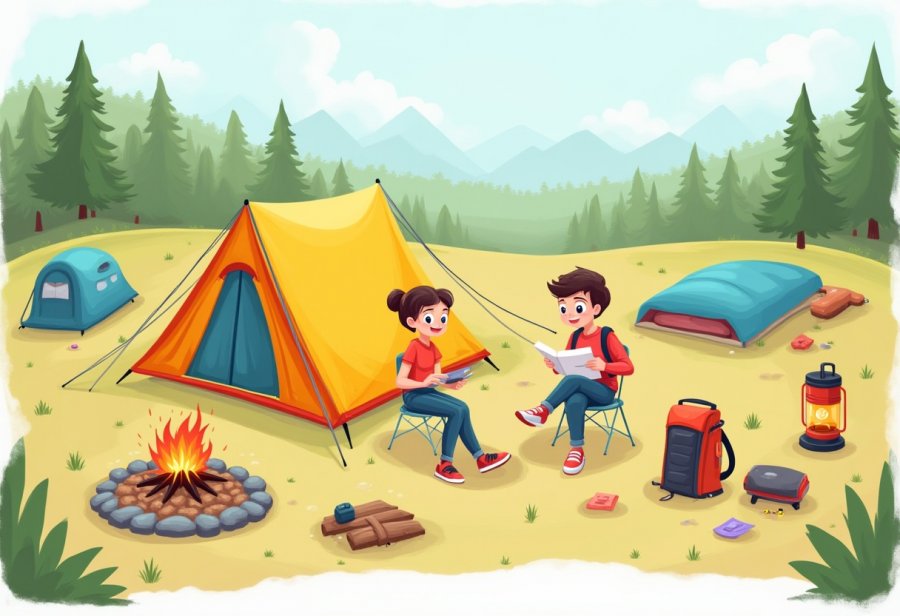
Creating a happy camping experience often hinges on how well you embrace the simple joys of being outdoors. When you focus on engaging with nature—listening to birds, watching a sunset, or exploring a trail—you naturally start to feel more relaxed and energized. These small moments of connection transform a routine trip into something memorable, turning ordinary scenery into a source of renewal and wonder.
Approaching your trip with a playful attitude and being present in the moment makes activities like setting up camp or cooking meals feel more enjoyable. Instead of seeing these as chores, view them as opportunities to learn, laugh, and bond. Sharing stories around the campfire, playing a game, or simply taking time to breathe deeply can foster a sense of camaraderie and peace that lasts well beyond the trip itself.
Activities driven by curiosity and exploration can elevate your outdoor experience. Whether it’s hiking to a scenic overlook, birdwatching, or spotting different plants and animals, approaching these adventures with enthusiasm turns an ordinary walk into a memorable journey. Asking questions and observing closely keeps your sense of wonder alive, making nature feel vibrant and full of surprises.
Camping with family, friends, or solo creates unique opportunities for connection and shared joy. Simple outdoor games like scavenger hunts, frisbee, or storytelling around the fire bring everyone into the moment. Laughter, discovery, and celebrating small victories—like mastering a tricky campsite setup—build a sense of teamwork and happiness that enhances the entire experience.
Focusing on activities that genuinely bring you pleasure is key. Whether it’s star gazing, fishing, or just sitting quietly by a creek, these calm, mindful moments deepen your appreciation for the outdoors. They help you disconnect from daily worries and reconnect with what truly matters—being present, relaxing, and having fun.
Flexibility is a vital part of creating joy in camping. Things might not go exactly as planned—weather shifts, equipment acts up—but handling these surprises with patience and humor turns potential frustrations into part of the adventure. This mindset fosters resilience and makes the experience more relaxed and authentic.
The most lasting memories often come from small, genuine moments—listening to crickets at night, feeling dew on grass in the morning, or simply enjoying a peaceful pause in nature. Cultivating gratitude for these simple pleasures transforms your trip from a routine outing into a source of lasting happiness.
Ultimately, creating a happy camping experience is about embracing the outdoors with an open heart. When you focus on connection, curiosity, and a positive attitude, every trip becomes more than just a getaway—it’s a chance to recharge, bond, and rediscover the joy of being outside.
Real-World Camping Insights: Lessons from Practical, Lived Experiences
Many first-time campers quickly realize that things don’t always go as planned, and that’s perfectly normal. I remember a trip where a sudden rainstorm soaked our gear right after we arrived. Instead of panicking, we huddled around the campfire, sharing stories and laughing about our rookie mistakes. That moment of staying calm and adaptable turned what could have been a frustrating experience into a memorable story and a bonding moment. It showed me how a positive attitude and a little patience can make all the difference when facing unexpected challenges outdoors.
Another common experience involves setting up your tent for the first time. It can seem tricky at first, especially in unfamiliar surroundings or with limited space. I’ve seen people get overwhelmed trying to figure out instructions or struggling with stubborn stakes. But those frustrations often fade when you take a breath, revisit the instructions, or practice beforehand at home. Once you get the hang of it, each successful setup boosts your confidence and makes the next time even easier. These small wins remind us that learning and patience are key parts of the outdoor adventure.
Weather surprises are a familiar part of camping for many. Maybe it’s a sudden gust of wind that threatens to topple your tent or a chilly night that catches you off guard. Instead of feeling defeated, those moments teach flexibility. I’ve seen campers quickly cover their tents with rainflies or find cozy spots to wait out a passing storm. These quick thinking moves often turn into stories of resourcefulness, reinforcing that outdoor life is about adapting to what nature throws your way.
Wildlife encounters can also catch beginners off guard. I’ve heard stories of campers waking up to curious raccoons rummaging through supplies or birds pecking at food storage. Respect and proper food storage are the best defenses. Hanging a bear bag or securing containers often feels simple, but it’s a game-changer. These experiences teach respect for animals and highlight that coexistence is possible when you stay alert and prepared, turning wildlife worries into lessons of harmony with nature.
Sometimes, setbacks become the most memorable moments because of how we handle them. I recall a group that forgot to bring enough water and had to improvise with a nearby stream. Instead of stressing, they used the situation to practice water purification and teamwork. That trip became a favorite story, not because everything went smoothly, but because they approached setbacks with curiosity and humor. These experiences deepen outdoor skills and build resilience, making the adventure more meaningful.
What stands out most from real camping stories is that a positive, flexible mindset transforms challenges into opportunities. Every mishap or surprise becomes a chance to learn, adapt, and bond. Approaching outdoor life with curiosity and patience turns setbacks into part of the adventure, enriching the overall experience. When you see obstacles as lessons rather than failures, outdoor adventures become less about perfection and more about growth. These moments often turn into the stories you’ll cherish long after you’re back home.
Looking Ahead: Embracing Growth and Adventure in Future Camping Journeys
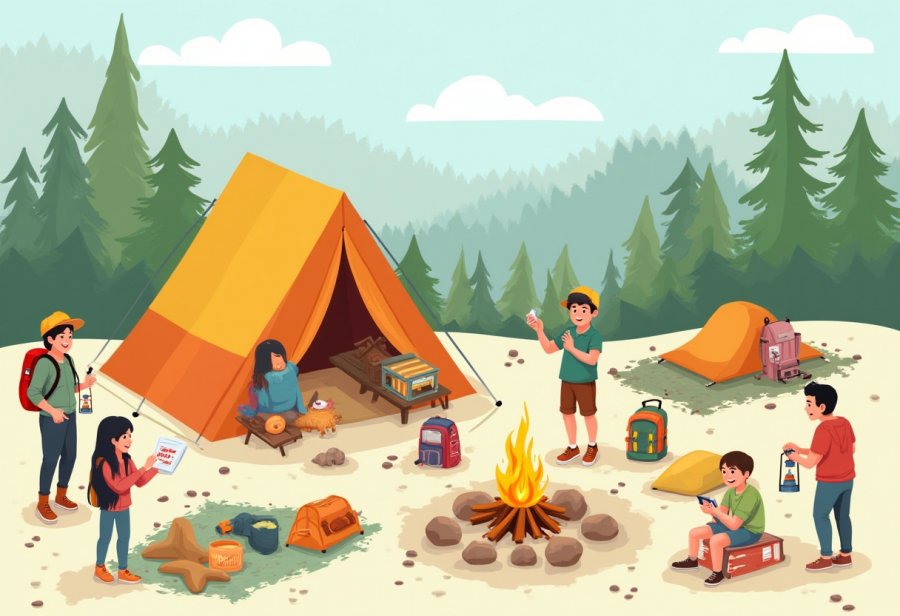
As you gain more experience and confidence in your camping skills, looking ahead becomes an exciting part of the journey. Staying open to learning and maintaining a positive mindset help you enjoy each trip more fully, revealing new ways to connect with nature and deepen your outdoor skills. Whether you’re trying lightweight backpacking, family car camping, or even glamping, approaching each adventure with curiosity keeps things fresh and rewarding.
Building on what you’ve already learned, you’ll find opportunities to develop new skills like outdoor cooking, wildlife spotting, or navigating unfamiliar trails. These small upgrades not only boost your confidence but also make each trip more enjoyable. Sharing your discoveries with friends or fellow campers can inspire new ideas and motivate future outings, creating a cycle of growth and exploration that keeps your outdoor passion alive.
The future of camping also involves embracing more sustainable practices. Many outdoor enthusiasts are adopting Leave No Trace principles, using eco-friendly gear, and reducing waste. Solar lanterns, biodegradable supplies, and responsible trail etiquette help preserve the natural spaces you love to explore. Incorporating these habits makes camping a way to give back to nature, ensuring that these beautiful environments remain accessible for generations to come.
Connecting with local or online camping communities can further enhance your experience. Joining groups, attending workshops, or participating in guided trips opens doors to new destinations, expert tips, and meaningful friendships. These interactions make your outdoor adventures more social and supportive, encouraging you to try different styles and discover fresh places to explore.
Reflecting on each trip allows you to set new goals and deepen your connection to the outdoors. Whether it’s mastering a specific skill, visiting a new kind of campsite, or simply spending more time being present in nature, maintaining a positive outlook makes every adventure a stepping stone. With curiosity and resilience, camping transforms from a hobby into a lifestyle—one that continuously inspires growth, happiness, and a genuine love for the outdoors.