Uncover the extraordinary journey of Alexander the Great, whose strategic brilliance and relentless ambition transformed ancient history. From his early education under Aristotle to his daring military campaigns across Greece, Persia, and India, Alexander’s ability to innovate tactically and psychologically set him apart from other conquerors. His mastery of rapid, coordinated strikes, diplomacy, and cultural integration not only expanded his empire but forged a new Hellenistic world, blending Greek and Eastern traditions. Modern scholarship reveals a leader whose legacy extends beyond territorial conquest—highlighting his adaptability, cultural sensitivity, and psychological mastery. Could his timeless principles of agility, boldness, and diplomacy shape future leadership and military strategy? As contemporary conflicts evolve, Alexander’s enduring influence prompts us to question how these age-old tactics can inspire innovation in a complex, rapidly changing world. His story remains a blueprint for visionary leadership rooted in daring and adaptability.
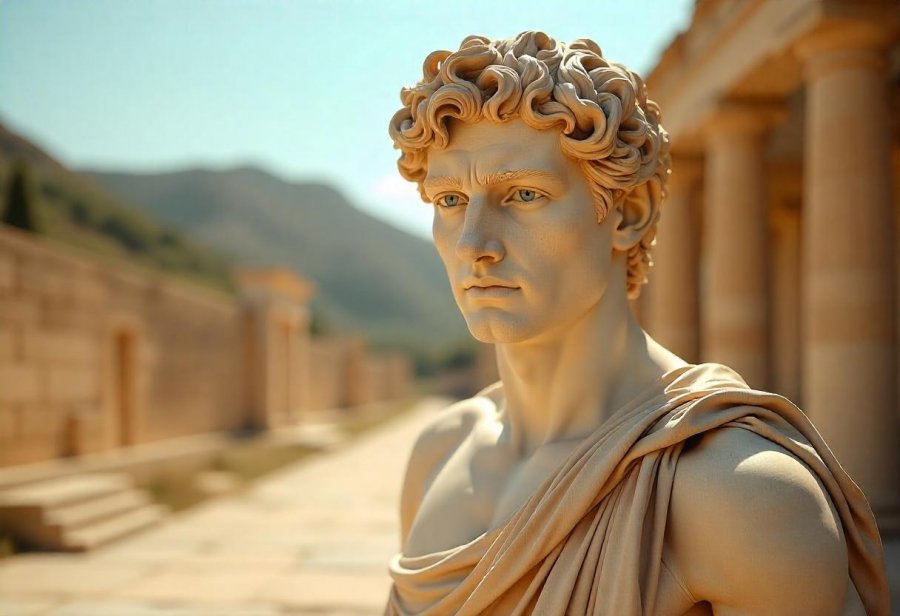
Unveiling Alexander the Great: A Legend Forged in Ambition and Strategy
Alexander the Great’s legacy stands as a testament to the extraordinary influence that visionary leadership and strategic genius can exert across history’s vast expanse. Born in 356 BCE in the Macedonian capital of Pella, he emerged at the intersection of Greek and Eastern civilizations, inheriting a kingdom on the brink of expansion. From his earliest years, Alexander’s life was shaped by a unique combination of privilege, rigorous education, and an unyielding ambition to forge a lasting legacy. His father, Philip II, had already laid the groundwork by transforming Macedonia into a formidable military power, and Alexander inherited this momentum along with a reputation for intelligence, bravery, and innate leadership ability.
His early education under Aristotle proved pivotal in shaping his worldview. The philosopher’s teachings extended beyond philosophy alone, instilling in Alexander a curiosity about the wider world, an appreciation for scientific inquiry, and a sense of personal destiny. These lessons fostered a worldview that balanced a desire for conquest with a deep fascination for cultural exchange—a combination that would come to define his leadership style. The influence of this education, coupled with his royal upbringing, created a leader eager to push beyond conventional boundaries, driven by the conviction that he was destined to leave a mark that would transcend his lifetime.
As a young prince, Alexander demonstrated exceptional tactical acumen and bravery, quickly gaining battlefield experience in minor campaigns. His early victories, such as the Battle of Granicus, revealed a mastery of complex battlefield tactics and an ability to adapt swiftly to unfamiliar terrains. These successes not only bolstered his reputation but also demonstrated his capacity to inspire loyalty and confidence among his troops. His natural charisma, paired with strategic insight, set him apart from many of his peers and hinted at the extraordinary conquests that awaited him.
What truly distinguishes Alexander was his capacity to blend daring with intelligence. His leadership was characterized by bold, often risky, military maneuvers—such as daring cavalry charges and innovative sieges—always underpinned by a keen understanding of battlefield psychology and logistical planning. His reputation for unpredictability and boldness often sowed fear in enemies even before the first clash, giving him a psychological edge. This combination of audacity and strategic flexibility allowed him to outmaneuver larger or more established armies, transforming seemingly insurmountable challenges into stepping stones toward his relentless eastward expansion.
Beyond the battlefield, Alexander sought to create a new world order—one that fused Greek culture with Eastern traditions. His campaigns facilitated unprecedented cultural exchanges, spreading Greek art, science, and governance into Persia, Central Asia, and India. This synthesis of ideas and practices underpins what scholars now recognize as the birth of the Hellenistic civilization—a fusion driven by Alexander’s strategic vision and insatiable curiosity. His ambition extended beyond mere conquest; he aimed to forge a lasting legacy rooted in cultural integration and innovation, reshaping the very fabric of the civilizations he encountered.
Understanding Alexander’s significance requires placing his rise within the broader context of his time. His father’s reforms and military innovations had already set the stage, but Alexander’s own genius transformed Macedonia’s potential into an empire that stretched from Greece to the edges of India. His ability to adapt tactics to diverse terrains, employ psychological warfare, and incorporate different cultures into his administration reflects a leader who viewed conquest as a means of building bridges rather than merely subjugating peoples. This broader perspective distinguishes him from many other conquerors, whose legacies are often marred by violence alone.
Examining Alexander’s story reveals a leader driven by a complex mix of personal ambition, cultural curiosity, and strategic innovation. His relentless pursuit of greatness was fueled by inherited royal pride, reinforced by his education under Aristotle, and motivated by a philosophical sense of virtue and legacy. His resilience in the face of setbacks—whether natural obstacles or fierce resistance—highlighted mental toughness and unwavering focus. Moreover, his openness to innovation—embracing new tactics, integrating diverse troops, and employing psychological warfare—demonstrated a willingness to push beyond traditional limits and forge new paths.
Ultimately, Alexander the Great exemplifies the qualities of a visionary leader who believed in the transformative power of daring, innovation, and cultural synthesis. His early life, shaped by privilege and education, laid the foundation for a series of campaigns that redefined notions of empire and influence. His legacy extends far beyond the territorial boundaries he conquered, influencing military strategy, cultural development, and political thought for centuries. Exploring his strategies and ambitions reveals not only a conqueror’s story but also a blueprint of leadership rooted in adaptability, vision, and an insatiable desire to reshape the world.
Mastering Empire: Alexander’s Rapid and Diplomatic Conquests
Alexander’s approach to empire building was characterized by a masterful command of rapid, coordinated military campaigns that emphasized speed and surprise. Rather than relying on prolonged sieges or static defenses, he prioritized swift maneuvers that allowed his forces to strike before enemies could fully mobilize or rally their defenses. This emphasis on rapidity was not reckless but a deliberate strategy to seize the initiative, maintain relentless momentum, and keep opponents perpetually off-balance. By moving swiftly across vast terrains, Alexander prevented adversaries from regrouping, turning what could have been formidable obstacles into opportunities for swift conquest. His campaigns became a relentless march, where every advance was designed to outpace opposition and secure strategic advantages before resistance could be fully organized.
Complementing this focus on speed was Alexander’s exceptional skill in diplomatic diplomacy and strategic negotiation. Recognizing that military force alone could not sustain his conquests indefinitely, he often sought to forge alliances with local rulers, tribes, and factions, employing marriage alliances, treaties, and mutual interests to secure cooperation or neutrality. These diplomatic maneuvers minimized resistance, reduced the costs of prolonged warfare, and facilitated smoother transitions of power. For instance, his alliances with certain city-states and regional satraps allowed him to bypass protracted sieges and avoid unnecessary bloodshed, accelerating his push into enemy territories. This blend of military efficiency and political finesse underscores his understanding that empire-building was as much about winning hearts and minds as it was about battlefield dominance.
Psychological warfare played a central role in Alexander’s overall strategy, often preempting physical confrontation through intimidation and reputation-building. His daring deeds—such as audacious charges, symbolic destruction of cities, and displays of overwhelming force—cultivated an aura of invincibility that demoralized foes long before the clash of arms. His reputation for unpredictability and boldness kept enemies guessing, while his displays of theatrical power—like the siege of Tyre or the crossing of the Hindu Kush—served to instill terror and awe. This psychological component was instrumental in maintaining the swift momentum of his campaigns, sometimes allowing him to conquer cities or regions with minimal resistance, as enemies surrendered out of fear or perceived futility. The psychological edge he wielded proved as vital as his tactical innovations.
Tactical flexibility distinguished Alexander’s military campaigns, as he tailored his strategies to fit diverse terrains and combat situations with remarkable finesse. In mountainous regions, he employed specialized mountain troops and employed siege techniques suited to natural obstacles. On open plains, he relied on rapid cavalry charges, coordinated infantry-cavalry assaults, and innovative flanking maneuvers. His ability to analyze terrain and adapt tactics on the fly allowed him to overcome natural barriers and resilient enemy formations alike. This adaptability extended beyond terrain; he also adjusted his approach based on the composition of his foes, often integrating local troops, employing unconventional tactics, or exploiting enemy weaknesses. Such tactical fluidity enabled him to sustain his relentless eastward push and turn challenging environments into strategic advantages.
The innovations he introduced on the battlefield went beyond mere tactics; they fundamentally reshaped military standards in the ancient world. The integration of combined arms—melding infantry, cavalry, and engineering units into a cohesive fighting force—set new benchmarks for battlefield coordination. The Macedonian phalanx, supported by swift cavalry and innovative siegecraft, created a highly flexible and resilient fighting system. Alexander’s willingness to experiment with unconventional techniques—such as night assaults, feints, and the employment of local troops—demonstrated a strategic foresight that often turned the tide of battles. These innovations not only secured immediate victories but also established a legacy of military adaptability that influenced future generations of commanders. His campaigns exemplified a holistic approach to warfare, where tactics, logistics, and psychological strategies worked in concert to maintain relentless momentum and dominance.
At the core of Alexander’s empire-building was a synthesis of personal ambition, cultural curiosity, and strategic innovation. His desire to expand his realm was fueled by inherited royal pride and a philosophical drive rooted in the teachings of Aristotle, emphasizing virtue, legacy, and the transformative power of conquest. His resilience in overcoming natural obstacles and fierce resistance revealed a leader capable of improvisation and mental toughness. Moreover, his openness to innovation—embracing new tactics, integrating diverse troops, and employing psychological warfare—demonstrated a willingness to forge new paths rather than rely solely on established methods. This comprehensive approach allowed him to create an empire that was not only vast but also dynamic, adaptable, and culturally fluid. His strategies epitomize a leader who understood that the key to lasting influence lay in flexibility, cultural integration, and relentless pursuit of his vision—traits that continue to resonate in military and leadership thought to this day.

The Focus Points of a Legend: Alexander’s Life, Achievements, and Leadership Traits
Alexander the Great remains one of history’s most compelling figures, embodying a rare blend of strategic brilliance, personal charisma, and relentless ambition. Born in 356 BCE in the Macedonian capital of Pella, he grew up at the crossroads of Greek and Eastern civilizations, inheriting a kingdom on the verge of expansion. His early education under Aristotle proved pivotal, shaping his worldview and instilling a thirst for knowledge, virtue, and legacy. These lessons went beyond philosophy; they laid the groundwork for a leader driven by a vision of shaping history through daring and innovation.
From a young age, Alexander demonstrated exceptional intelligence and bravery, qualities that earned him respect among his peers and advisors. His rapid rise to power after his father Philip II’s assassination was marked by decisive actions and bold military campaigns. Early victories, such as the Battle of Granicus, showcased his mastery of complex battlefield tactics and adaptability in unfamiliar terrains. These successes not only expanded his reputation but also proved his ability to inspire unwavering loyalty among his troops, a trait that would become vital as he pushed deeper into uncharted territories.
What truly sets Alexander apart was his capacity to blend tactical innovation with personal charisma. His soldiers followed him not solely because of his military prowess but because they believed in his vision and trusted his leadership. His daring charges, innovative sieges, and psychological tactics cultivated an aura of invincibility, often demoralizing enemies before the clash even began. His reputation for unpredictability and boldness kept foes guessing, while his strategic flexibility allowed him to adapt swiftly to changing circumstances on the battlefield.
Alexander’s achievements extended far beyond battlefield victories. His conquests created a vast empire that stretched from Greece through Egypt and into India, fundamentally transforming the political and cultural landscape of the ancient world. These campaigns fostered unprecedented cross-cultural exchanges, blending Greek ideas with Eastern traditions and giving rise to the Hellenistic civilization. His efforts challenged traditional governance structures, promoting the spread of Greek art, science, and administrative practices. Even after his death, his influence persisted through the enduring cultural and political changes he set in motion.
The qualities that made Alexander a legendary figure are complex and multifaceted. His relentless pursuit of greatness was fueled by inherited royal pride, reinforced by his education under Aristotle, and motivated by a philosophical sense of virtue and legacy. His resilience in the face of setbacks—whether natural obstacles or fierce resistance—highlighted mental toughness and unwavering focus. Moreover, his openness to innovation—embracing new tactics, integrating diverse troops, and employing psychological warfare—demonstrated a leader willing to push beyond traditional limits and forge new paths.
In essence, Alexander the Great was more than a conqueror; he was an architect of cultural transformation and a symbol of visionary leadership. His achievements stemmed from a unique ability to inspire loyalty, adapt rapidly to changing circumstances, and pursue expansive goals with relentless focus. His legacy is rooted not only in the territories he conquered but also in the strategic innovations and cultural exchanges he facilitated. Exploring his life and qualities reveals a leader who believed in the transformative power of daring and ingenuity—an ethos that continues to resonate with ambitions of leadership and innovation today.
Modern Eyes on Alexander: Evolving Interpretations of a Conqueror’s Legacy
Modern scholarship on Alexander the Great has undergone a significant transformation, blending traditional narratives with innovative interpretative frameworks that reveal the complexity of his character and strategies. Advances in archaeological techniques—such as remote sensing, ground-penetrating radar, and isotope analysis—have opened new avenues for understanding his campaigns. These technological developments allow us to move beyond the biases and gaps of ancient textual sources, offering a more nuanced picture of his military logistics, routes, and material culture. Discoveries of logistical sites, battlefield remnants, and supply networks suggest that Alexander’s campaigns were not only swift but also meticulously organized and adaptable—traits that continue to inform contemporary military analysis.
Scholars now emphasize the profound cultural hybridization that characterized Alexander’s conquests. While older histories often cast his campaigns as straightforward military triumphs, recent research highlights his active role in fostering cross-cultural exchange. The proliferation of Greek-style cities, the spread of Hellenistic art and science into Persia and Central Asia, and the integration of Eastern administrative practices into his empire underscore a broader understanding of his legacy. Instead of viewing him solely as a conqueror, modern analysts see Alexander as a catalyst for a truly interconnected world—one where cultural fusion was as central as territorial expansion. This shift challenges earlier hero narratives, encouraging a perspective that recognizes the enduring influence of intercultural dialogue in shaping history.
The sources informing our understanding of Alexander have diversified dramatically. Beyond Greek chronicles, scholars now incorporate Persian inscriptions, Egyptian artifacts, Central Asian relics, and Indian inscriptions. This multiplicity of perspectives paints a more layered and complex portrait, often contrasting sharply with traditional Greek portrayals of him as a daring and sometimes ruthless figure. For example, some Persian and Central Asian accounts depict Alexander as a liberator or a divinely inspired ruler, emphasizing different cultural valuations. This mosaic of viewpoints reminds us that history seldom offers a single, uncontested story; instead, it presents a tapestry woven from diverse political, cultural, and ideological motives. Recognizing this complexity enriches our appreciation of his multifaceted legacy.
Recent debates also scrutinize the moral dimensions of Alexander’s campaigns. While earlier histories celebrated his brilliance and daring, contemporary scholarship questions the ethical implications of his methods—such as mass deportations, city destructions, and forced cultural assimilations. Some argue that his empire-building strategies, although innovative, often bordered on brutality, prompting reflection on the limits of leadership and conquest. Conversely, others highlight the long-term benefits—such as the spread of knowledge, scientific exchange, and cultural integration—that contributed to the development of a vibrant Hellenistic world. This ongoing dialogue reflects a broader shift toward understanding figures like Alexander within their historical and cultural contexts, rather than solely through a lens of heroism or villainy.
Finally, Alexander’s military strategies continue to resonate within modern doctrine. His emphasis on rapid movement, adaptability, and psychological manipulation exemplifies principles that remain central in contemporary military thought. Today’s leaders study his campaigns to glean lessons on agility, surprise, and cultural sensitivity—traits essential in an era marked by technological innovation and complex geopolitical landscapes. The integration of diverse forces and tactics, exemplified by his use of combined arms and innovative siege techniques, echoes in today’s joint and coalition operations. His legacy endures not just as a conqueror of lands but as a master strategist whose insights continue to shape leadership, military doctrine, and strategic thinking well into the present day.

Future Strategies Inspired by Alexander: Lessons in Leadership, Adaptability, and Psychological Warfare
Alexander’s strategic principles—particularly adaptability, rapid decision-making, and psychological mastery—remain remarkably relevant in shaping the future of leadership and military operations. As the landscape of conflict evolves with technological innovation and shifting geopolitical realities, these core ideas serve as a timeless blueprint for success. Leaders who internalize the importance of swift action and flexible tactics will be better equipped to respond to unpredictable challenges, whether in conventional warfare, cyber domains, or hybrid conflicts. The ability to pivot quickly, assess new information, and seize opportunities in real-time can determine the difference between victory and defeat in an increasingly complex world.
Flexibility in strategy is perhaps Alexander’s most enduring contribution. His campaigns demonstrate that rigid plans often falter when faced with the chaos and fluidity of modern scenarios. Today’s commanders harness advanced intelligence, real-time analytics, and adaptive command structures to mirror his improvisational approach. These tools amplify human judgment, enabling decision-makers to adjust tactics on the fly and exploit vulnerabilities as they emerge. This dynamic responsiveness, rooted in Alexander’s example, is critical to maintaining advantage amid the speed and complexity of contemporary conflicts.
Psychological warfare, a domain where Alexander excelled, continues to shape strategic thinking. His reputation for daring feats, unpredictability, and symbolic acts cultivated an aura of invincibility that often preempted physical combat. Modern leaders recognize that shaping perceptions, controlling narratives, and influencing morale are as vital as firepower. Information operations, social media influence, and perception management are contemporary equivalents of Alexander’s theatrical displays—used to demoralize opponents and bolster alliances. His mastery in this realm underscores the enduring importance of human psychology in securing strategic success.
Cultural diplomacy, exemplified by Alexander’s ability to integrate diverse peoples and traditions, offers vital lessons for future leaders managing complex, multicultural environments. His approach—fostering loyalty through respect and shared purpose—remains a cornerstone of coalition-building today. In multinational military efforts, diplomatic negotiations, and cross-cultural collaborations, adopting Alexander’s model of inspiring trust and cooperation can transform potential friction into unity. The capacity to bridge differences and cultivate mutual understanding is increasingly recognized as a strategic asset in achieving sustainable, long-term objectives.
The integration of diverse forces and innovative tactics in Alexander’s campaigns also resonates profoundly with modern joint and coalition operations. His use of combined arms—melding infantry, cavalry, engineering, and siegecraft—created a resilient and adaptable fighting system. Today’s military organizations emphasize interoperability across domains—land, air, cyber, and space—reflecting his holistic view of warfare. Leaders who orchestrate these complex operations with agility and precision mirror his legacy, demonstrating that the fundamental principles of integration, innovation, and adaptability remain central to effective command in the 21st century.
Looking ahead, the qualities embodied by Alexander—vision, resilience, agility, and charisma—are more vital than ever. Emerging technologies, from artificial intelligence to unmanned systems, are transforming the battlefield, but the human elements of leadership remain unchanged. Success will depend on the ability to inspire loyalty, think creatively, and adapt swiftly to unforeseen developments. The lessons from Alexander’s campaigns remind us that strategic agility, cultural sensitivity, and psychological insight are timeless tools that can shape history once again. Leaders who embrace these principles will be prepared to navigate the complexities of tomorrow’s challenges, forging new paths with daring innovation rooted in the enduring power of Alexander’s strategic legacy.