Learning to drive marks a pivotal moment in a teen’s journey toward independence, blending excitement with nervous anticipation. Behind the wheel, they face more than just mastering controls—they confront fears, responsibilities, and emotional hurdles that shape their confidence and resilience. This process is a rollercoaster of small victories and setbacks, where support and patience transform anxiety into competence. As they navigate familiar streets and challenging traffic, teens develop not only driving skills but inner strength, learning valuable lessons about decision-making and perseverance. How does this emotional growth impact their readiness for future challenges? Today’s evolving perspectives and technological advances promise safer, more confident journeys, yet the road remains as much about personal development as skill acquisition. Ultimately, this experience fosters a sense of mastery that extends beyond driving—building a foundation for responsible independence and lifelong resilience.
Embark on the Journey to Independence Through Learning to Drive
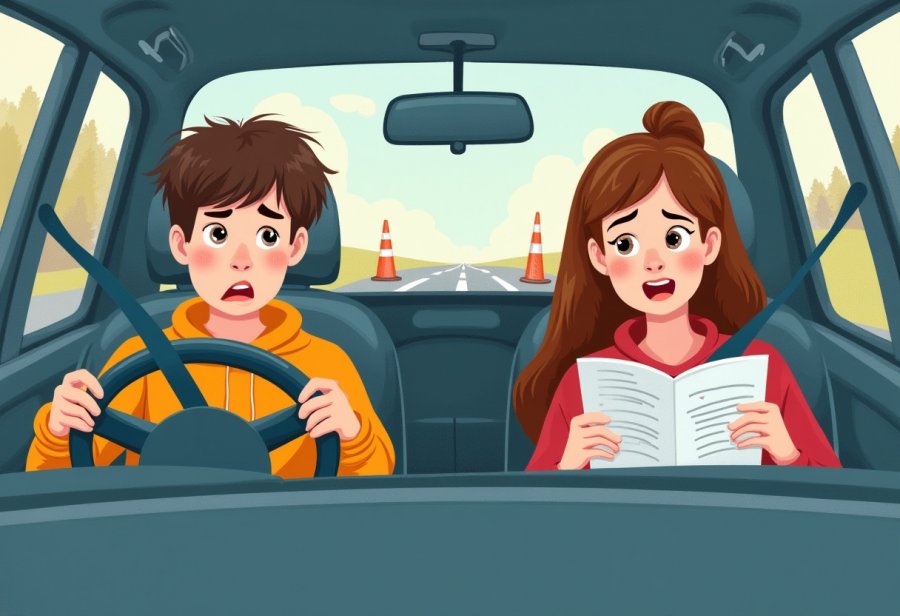
Learning to drive is a defining milestone in a teenager’s journey toward independence. It’s a moment filled with excitement and anticipation—marking the start of a new chapter where freedom feels just within reach. But beneath that thrill lies a mix of emotions: nerves, curiosity, and sometimes even a touch of fear. Sitting behind the wheel for the first time, teens quickly realize that driving isn’t only about mastering controls; it’s about managing responsibility and their own feelings at the same time.
This experience touches on much more than physical coordination. It’s a process of personal growth, shaping how teens see themselves and their ability to handle pressure. From the first hesitant turns to more confident maneuvers, every small success—like smoothly navigating a parking lot or feeling comfortable on familiar streets—builds their confidence bit by bit. These moments serve as stepping stones, encouraging them to trust their growing skills.
Driving represents a transition from dependence to independence, a sign that they’re stepping into adulthood. But it also introduces new responsibilities—staying alert, making safe decisions, and remaining calm amid chaos. The emotional challenge is real; nerves and anxiety are common companions on this journey. Yet, as practice continues, those feelings often give way to a sense of mastery, transforming fear into confidence.
Learning to drive isn’t a straight path. It’s filled with ups and downs, requiring patience and resilience. Every drive, whether in a quiet parking lot or busy street, offers a chance to learn and grow. Over time, teens develop not only their driving skills but also inner strength—facing their fears and overcoming obstacles. This process of transformation makes the milestone of learning to drive much more than just a skill; it’s a profound step toward self-reliance.
Navigating the Emotional Rollercoaster of Getting Behind the Wheel
Learning to drive isn’t just about learning how to turn the steering wheel or hit the brakes; it’s a deeply emotional experience that can feel like a rollercoaster. For many teens, sitting behind the wheel for the first time sparks a whirlwind of feelings—nerves, excitement, frustration, and sometimes even self-doubt. The weight of responsibility can seem overwhelming, especially when faced with busy streets or unfamiliar routes. These emotions are natural and part of the process but can act as hurdles if not managed properly.
As teens start to grasp the basics, their emotional landscape begins to shift. Small victories—like making a turn smoothly or confidently stopping at a stop sign—can boost their spirits and motivate further progress. But setbacks, such as stalling the car or struggling with parallel parking, often lead to frustration or doubts about their abilities. It’s common to wonder if they’ll ever feel comfortable behind the wheel. Recognizing these feelings as normal helps teens develop patience and resilience, essential traits for overcoming the inevitable bumps along the way.
Support from parents, instructors, or friends plays a crucial role in shaping how teens handle these emotional swings. Celebrating even tiny successes reinforces their confidence, while gentle reassurance helps turn mistakes into learning moments rather than reasons to give up. When setbacks are framed as a normal part of growth, teens are more likely to stay motivated and persistent. Over time, positive experiences begin to outweigh the nerves, transforming driving from an intimidating task into an achievable skill.
Managing nerves is key to turning anxiety into confidence. Simple techniques, like deep breathing or visualizing successful drives, can help calm racing thoughts. Breaking driving tasks into smaller steps—focusing solely on steering or signaling—makes the process less overwhelming. Practicing in quiet, familiar areas initially allows teens to build a sense of control without the pressure of traffic. These small wins gradually shift their emotional response from fear to a sense of mastery, laying the groundwork for resilience behind the wheel.
Learning to drive is as much about emotional growth as it is about technical skill. Teens develop mental toughness by navigating fears, celebrating progress, and understanding that confidence builds gradually. Embracing both the highs and lows of this journey helps foster a resilient mindset. This emotional development not only prepares them to become better drivers but also equips them with the strength to face challenges in other areas of life, turning nerves into confidence and perseverance.
Shifting Perspectives: How Society Views Teen Driving Today
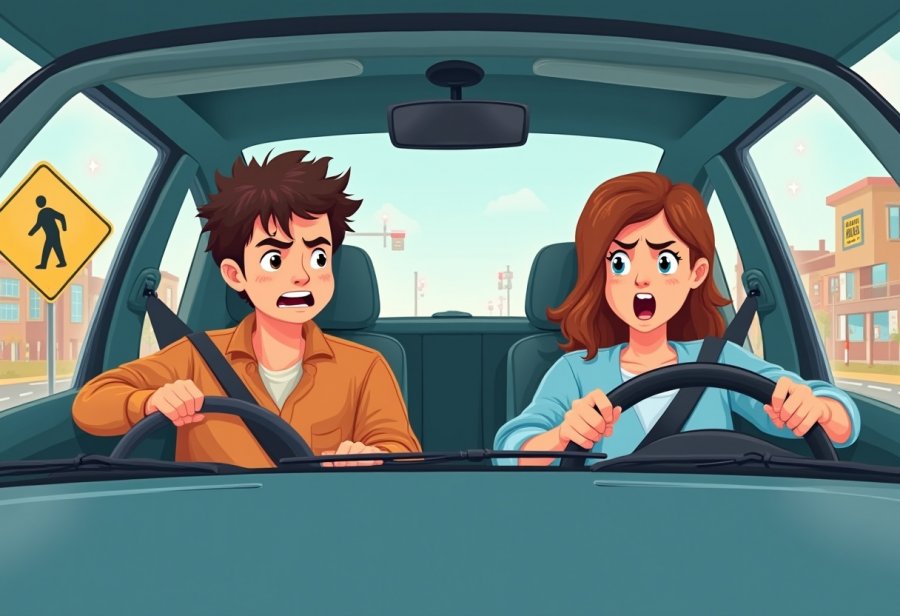
Today’s attitudes toward teen driving are evolving alongside rapid technological advances and a growing emphasis on road safety. While many still see driving as a key step toward independence—a rite of passage—there’s a broader awareness of the risks involved. Distracted driving, risky behaviors, and inexperience have prompted governments and communities to introduce graduated licensing systems, curfews, and stricter regulations. These measures aim to help teens build their skills gradually while minimizing the chances of accidents. It’s a balancing act: offering enough freedom for growth without exposing them to unnecessary danger.
Media portrayals heavily influence how society views teen drivers. Movies and TV often dramatize the thrill and peril of youth behind the wheel, highlighting reckless choices or crashes to create tension. News reports tend to focus on accidents involving young drivers, reinforcing fears about their decision-making. Meanwhile, social media provides a platform where teens share their driving experiences—both successes and mistakes—sometimes normalizing nerves but also fueling concerns over safety. These narratives shape public opinion, prompting parents and policymakers to approach teen driving with caution and responsibility.
Cultural differences also shape societal attitudes toward when and how teens should start driving. In the U.S., early licensing is seen as a milestone, with teens often getting their licenses in mid-teens to foster independence. Conversely, many European countries adopt stricter laws, emphasizing alternative transportation like cycling or public transit. Countries like Germany and Japan prioritize comprehensive driver education and safety regulations, reflecting a more cautious approach that values responsibility over speed. These variations highlight how cultural values influence perceptions—whether emphasizing autonomy or safety—and impact how societies prepare teens for the road.
Debates around restrictions continue to spark discussion. Some argue that curfews, passenger limits, and supervised driving are essential for reducing accidents and teaching responsibility. Others feel these restrictions may delay teens’ development of confidence and independence. Data shows that new drivers are more prone to distractions and risky decisions, which supports phased licensing systems that ease restrictions as experience grows. Striking the right balance between safety and autonomy remains a challenge, with the goal of fostering confident, responsible drivers without compromising their safety.
Media’s portrayal of teen driving reflects society’s complex view: a mix of admiration for independence and concern over safety. Hollywood often romanticizes the freedom of youth on the road, sometimes glossing over dangers, while news outlets focus on crashes and reckless acts, reinforcing fears. Social media adds another layer, where teens share both their achievements and mistakes—sometimes normalizing nerves but also amplifying safety concerns. These influences influence policies, parental attitudes, and teens’ own expectations, shaping the evolving landscape of teen driving.
Emerging technology continues to reshape the experience of learning to drive. Advanced safety features, driver-assist systems, and monitoring apps are making the process safer and more manageable. These innovations provide new tools for teens and parents—offering real-time feedback, encouraging responsible habits, and reducing anxiety. As technology progresses, the path to independence becomes less intimidating and more structured, aligning safety with the desire for freedom. This shift supports a future where teen drivers are better equipped, more confident, and more responsible behind the wheel.
Practical Strategies and Support Systems to Build Confidence
Getting started with learning to drive can feel overwhelming, but having practical tools and a clear plan makes the process much smoother. Creating a checklist of essential skills—such as parallel parking, lane changes, and emergency stops—helps teens track their progress and stay motivated. Using dedicated apps or online resources designed for learner drivers can reinforce good habits, offering practice quizzes, driving logs, and reminders to encourage consistent practice. Turning learning into a structured routine makes the journey more engaging and less stressful.
For parents and instructors, establishing a regular, predictable practice schedule is key. Short, focused sessions in calm, familiar environments—like empty parking lots or quiet residential streets—build confidence without adding pressure. As teens become more comfortable, gradually introducing more complex scenarios, such as busy intersections or highway driving, helps develop their skills step by step. This approach ensures they’re not only learning techniques but also building the mental resilience needed to handle different driving situations confidently.
Open communication plays a vital role in supporting teens through their learning process. Encouraging them to share their fears, questions, and frustrations creates a safe space where mistakes are seen as part of growth, not failure. Celebrating small successes—like smoothly merging onto a highway or confidently parking—boosts their self-trust and motivation. When setbacks happen, framing them as opportunities to learn rather than signs of inadequacy keeps their attitude positive and progress steady.
Practicing in a variety of settings prepares teens for the unpredictable nature of real-world driving. Starting in quiet areas helps develop basic skills, but exposure to different conditions—such as night driving or rainy weather—further enhances their competence. Introducing these challenges gradually, always emphasizing safety and calmness, reduces nerves and increases their ability to adapt. Recognizing each milestone as a step toward independence helps reinforce their confidence and readiness for real-world driving.
Building confidence isn’t just about technical skills; it’s also about mental readiness. Techniques like deep breathing, visualization, and focusing on one task at a time—such as steering or signaling—can calm nerves and reduce anxiety. Breaking driving into small, manageable steps makes learning less intimidating and more achievable. Celebrating each milestone, no matter how minor, helps transform initial nerves into a sense of mastery, fueling continued growth and resilience.
Patience and persistence are essential. Every teen learns at their own pace, and setbacks are normal. Providing guidance, emotional support, and encouragement helps teens stay motivated and view challenges as part of their journey. With reliable resources and a supportive environment, they can turn nerves into genuine confidence, setting the stage for safe, responsible independence on the road.
Mastering Confidence: The Ongoing Path Toward Safe and Responsible Driving
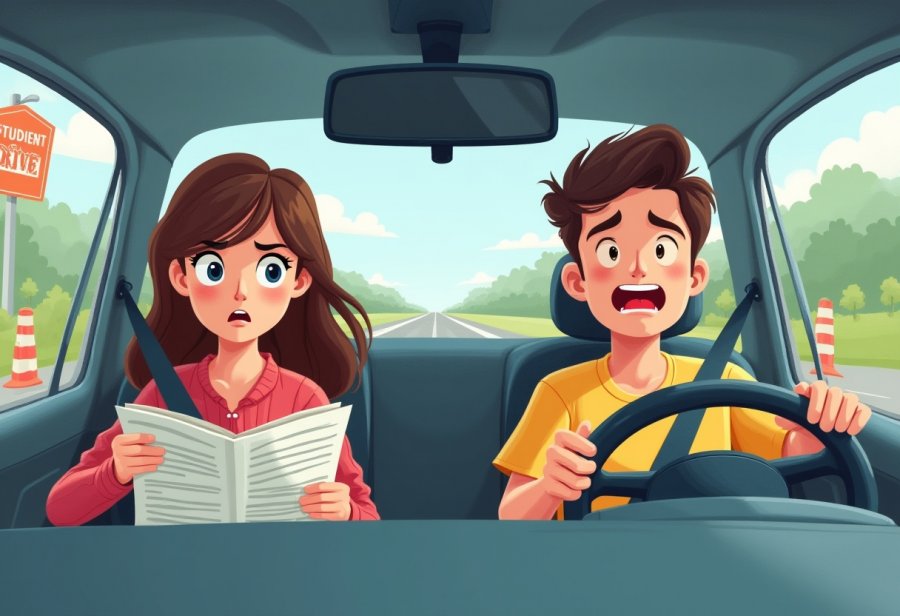
Learning to drive is more than just acquiring the skills to operate a vehicle; it’s a profound journey of personal growth, resilience, and independence. As teens transition from feelings of uncertainty to genuine confidence, they learn vital lessons about patience, decision-making, and self-reliance. Each challenge they face—whether navigating a tricky turn or handling busy traffic—serves as a building block toward developing a responsible mindset and a sense of mastery behind the wheel. These experiences not only shape their driving abilities but also foster qualities that will serve them throughout life.
The path from nerves to confidence isn’t an instant transformation. It’s forged through consistent effort, encouragement, and an openness to learn from mistakes. Celebrating small successes, like a smooth parking maneuver or a confident merge onto a highway, helps reinforce their belief in their abilities. Over time, these wins accumulate, gradually replacing anxiety with trust in their skills. This steady progress nurtures a mindset where driving becomes second nature, and fears diminish in the face of familiarity and competence.
Looking ahead, the skills and confidence developed during this phase set a strong foundation for safer, more responsible driving in the future. As teens gain experience, advanced techniques like defensive driving or handling adverse weather become easier to master. The habits of calm decision-making and attentiveness cultivated early on extend beyond the immediate task, shaping lifelong drivers who prioritize safety and responsibility. This ongoing growth ensures that independence on the road remains a positive, empowering experience rather than a source of fear.
Encouraging teens to see driving as a continual learning process keeps motivation high. Even after earning their license, there’s always room for refinement—whether it’s improving reaction times, understanding new safety features, or adapting to different road conditions. Embracing this mindset of growth helps prevent complacency and promotes a responsible attitude that values ongoing self-improvement. It reminds them that confidence isn’t static but something to nurture and develop over time.
Every mile driven offers new lessons and opportunities to deepen self-trust. The journey from nervous beginner to confident driver is a testament to their inner strength and perseverance. As they accumulate experience and overcome obstacles, they become more capable of handling life’s uncertainties with resilience. This transformation, born from patience and persistence, extends well beyond the car, shaping how they approach challenges and responsibilities in all areas of life.
Advancements in technology continue to enhance the learning experience, making the road to confidence safer and more accessible. Features like driver-assist systems and monitoring apps support responsible habits and ease anxieties. These tools empower teens to develop good practices early, reinforcing their sense of safety and control. As innovation progresses, the future of teen driving becomes not only more secure but also more aligned with their growing independence and desire for responsible freedom.
The journey from nerves to confidence is ongoing and dynamic. It’s about cultivating a mindset that values patience, responsibility, and continuous learning. By embracing each new driving experience as an opportunity to grow, teens lay the groundwork for a lifetime of safe, confident independence. This mindset fuels their ability to navigate not just roads but the many challenges life presents, with resilience and self-assurance.
Ultimately, the confidence they build during this crucial phase becomes a cornerstone of their character. It influences how they approach future challenges, whether on the road or in everyday life. The skills and habits formed now serve as a foundation for responsible decision-making, adaptability, and perseverance. As they look ahead, they carry with them a sense of empowerment—ready to face whatever roads, and life, lie ahead with confidence and strength.