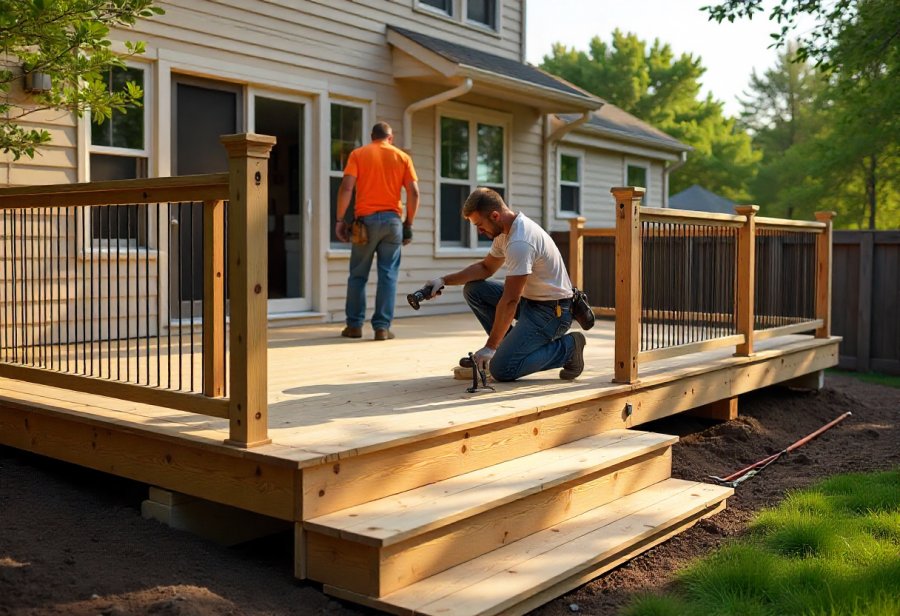
Transforming a Toronto yard into a stunning outdoor retreat is both an art and a science—balancing beauty, sustainability, and client satisfaction. How can homeowners achieve lush, resilient landscapes that withstand Toronto’s seasonal extremes while supporting local ecosystems? This guide reveals that thoughtful plant choices, such as native species, combined with eco-friendly features like rain gardens and permeable surfaces, create vibrant, low-maintenance spaces that genuinely thrive. But designing such landscapes requires more than just aesthetic flair; it demands careful planning, innovative materials, and ongoing collaboration with clients to ensure every detail reflects their lifestyle and values. Are these environmentally conscious yards just a trend or a necessity for future-proof living? With emerging technologies, sustainable practices, and a deep understanding of local conditions, the potential for beautiful, resilient outdoor spaces is limitless. This approach not only enhances property value but also fosters a harmonious relationship between people and the environment.
Transform Your Outdoor Space with Toronto Landscape & Design
Looking to elevate your Toronto backyard? Toronto Landscape & Design (TLD) offers expert backyard makeover services that seamlessly combine natural stone, water gardens, irrigation systems, and retaining walls. Our award-winning designers take everything into consideration, ensuring a customized and stunning landscape that suits your style and needs. Whether you’re envisioning a tranquil water feature or durable retaining walls, TLD’s team is committed to creating outdoor spaces that inspire. Contact us today at [email protected] or call 1.416.644.0499 to start transforming your Toronto backyard into a beautiful oasis.
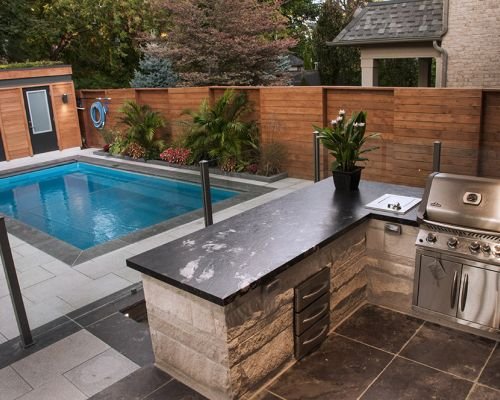
Transform Your Toronto Yard into a Beautiful and Sustainable Outdoor Retreat
Transforming a Toronto yard into a beautiful and functional outdoor retreat involves more than just planting a few flowers or adding a piece of outdoor furniture. It’s about designing a space that reflects the homeowner’s lifestyle, preferences, and needs, all while respecting the local environment. Toronto’s climate—with its cold winters and warm summers—requires thoughtful plant choices and durable materials that can withstand seasonal shifts. Native plants are a great starting point since they’re naturally adapted to the region’s soil and weather, meaning they require less water, fewer chemicals, and less maintenance over time.
Creating a sustainable outdoor space isn’t just a trend; it’s a responsible choice that benefits both homeowners and the environment. Incorporating water-saving features like rain gardens, permeable paving, and drip irrigation helps manage stormwater naturally. Using eco-friendly materials—such as reclaimed wood or recycled stone—not only reduces environmental impact but also adds character and uniqueness to the yard. These thoughtful choices produce landscapes that are both attractive and resilient, designed to endure Toronto’s changing seasons.
A well-designed outdoor retreat enhances daily life by offering a peaceful escape from the city noise and a versatile setting for outdoor dining, relaxing, or socializing. Thoughtful layouts that create distinct zones—whether for gardening, entertaining, or quiet reflection—make the space more functional and inviting. Features like fire pits, water elements, or cozy seating areas add personality and comfort, turning a simple yard into a true extension of the home. Every element should serve a purpose, blending beauty with practicality for a space that feels inspiring and easy to enjoy.
Designing a yard in Toronto means planning for climate resilience from the start. Selecting hardy native plants, choosing weather-resistant materials, and properly grading the landscape help prevent common issues like poor drainage or soil erosion. This proactive approach ensures the outdoor space remains vibrant and intact year after year, reducing maintenance and repair needs. When done thoughtfully, the result is a durable, eco-friendly outdoor retreat that offers long-term enjoyment and peace of mind.
Transforming a yard into a stunning outdoor space is a journey that combines creativity with practicality. It requires understanding the site’s unique conditions, making smart material and plant choices, and planning for ongoing care. When approached with knowledge and care, the final result is a landscape that not only looks beautiful but also supports the environment, enhances property value, and provides a sanctuary for relaxation and connection. This balance of aesthetic appeal, sustainability, and functionality makes every outdoor retreat in Toronto truly special.
Core Principles That Make Your Landscape Environmentally Responsible and Visually Stunning
Sustainable landscape design seamlessly blends the beauty of outdoor spaces with a deep respect for the environment. At its core, it involves making choices that support local ecosystems while creating visually appealing yards. Native plants form the foundation of this approach; they’re naturally suited to Toronto’s climate, which means they require less water, fewer fertilizers, and fewer chemical treatments. By prioritizing these species, homeowners can support biodiversity and reduce the resource demands of their landscapes.
Water conservation plays a vital role in sustainable design. Techniques like rain gardens, permeable pavers, and drip irrigation help manage stormwater effectively, allowing water to soak into the ground instead of overwhelming drains. These methods decrease runoff, prevent erosion, and create resilient landscapes capable of withstanding droughts and seasonal shifts. Incorporating such features ensures the yard remains vibrant and functional year-round, with less need for ongoing intervention.
Eco-friendly materials further reinforce sustainability. Recycled stone, reclaimed wood, and biodegradable mulches not only lower environmental impact but also add texture and character to outdoor spaces. These durable materials stand up well to Toronto’s weather, reducing the frequency of replacements and waste. Choosing environmentally conscious options aligns with responsible landscaping goals, creating yards that are both beautiful and low-maintenance.
Designing with climate resilience in mind strengthens the longevity of outdoor spaces. Selecting drought-tolerant plants, providing shade through strategic tree placement, and opting for weather-resistant materials all help landscapes endure Toronto’s unpredictable weather. This proactive approach minimizes repairs and replacements, saving time and resources while maintaining aesthetic appeal.
Supporting local wildlife is a key component of sustainable landscapes. Native plants attract pollinators like bees and butterflies, fostering biodiversity and ecological health. Avoiding chemical pesticides and fertilizers preserves soil and water quality, ensuring a healthier environment for all. When each yard becomes part of a broader ecological web, the benefits ripple through the community, enhancing the city’s natural resilience.
A balanced landscape combines beauty with practicality. Thoughtful placement of focal points—such as water features or seating areas—adds visual interest without clutter. Creating zones for relaxation, gardening, or entertaining encourages outdoor enjoyment while respecting ecological principles. This integration of form and function results in outdoor spaces that are both inspiring and sustainable.
Sustainable landscape design is an ongoing process. Regular maintenance routines like organic fertilization and rainwater harvesting keep plants healthy and landscapes thriving. Educating homeowners about eco-friendly practices ensures long-term stewardship, helping them care for their yards responsibly. When sustainability becomes a habit, outdoor spaces continue to flourish, offering enduring beauty and ecological benefits.
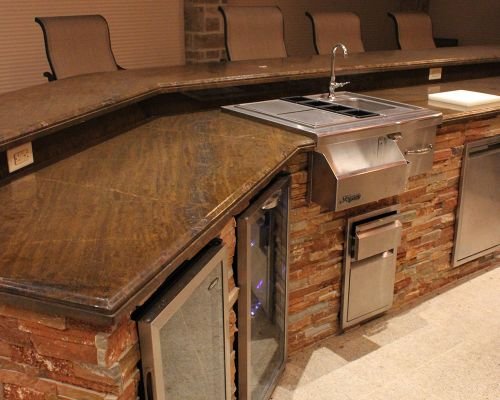
Creating Your Ideal Outdoor Space by Putting Clients at the Center
Understanding and integrating what clients envision is the cornerstone of successful landscape projects in Toronto. It begins with open, honest conversations where homeowners share their ideas, routines, and dreams for their outdoor space. Listening carefully during these discussions reveals not just aesthetic preferences but also how the yard will be used daily—whether for family gatherings, gardening, or quiet retreats. When clients feel genuinely heard, it fosters trust and transforms the process into a collaborative journey.
Maintaining active engagement throughout the project is essential. Regular check-ins, sketches, or virtual previews keep homeowners involved and help visualize the evolving design. This continuous dialogue allows for early adjustments, reducing surprises and ensuring the final outcome aligns perfectly with their vision. When clients participate at every stage, they develop confidence in the process and a stronger attachment to the finished space.
Translating client desires into practical solutions is a key skill. For example, if someone prefers a low-maintenance yard, the focus shifts to native plants and durable, easy-care materials. If outdoor entertaining is a priority, features like built-in seating, fire pits, or outdoor kitchens are integrated seamlessly. Tailoring the design to fit their lifestyle ensures the space is both beautiful and functional, making it a natural extension of their daily life.
Clear communication helps manage expectations and build satisfaction. Explaining the reasons behind choices—such as plant selections or material options—helps clients understand how the design serves their needs. Sharing visual updates and listening to feedback keeps everyone aligned, fostering a sense of partnership. When clients feel involved and well-informed, they’re more likely to be pleased with the final result.
A successful project doesn’t end with installation; ongoing support plays a vital role. Educating clients about eco-friendly practices, seasonal maintenance, and long-term care empowers them to preserve their yard’s beauty and health. When homeowners understand how to care for their outdoor space, it becomes a source of pride and lasting enjoyment. This collaborative approach ensures the yard reflects their vision while supporting sustainability, making the landscape truly theirs.
Turning Design Ideas into Reality: Practical Steps for a Successful Outdoor Transformation
Transforming a yard in Toronto into a stunning outdoor retreat requires careful planning and practical execution. The first step is understanding the specific conditions of the site, including soil quality, drainage issues, and any existing structures. Addressing these factors early on helps prevent costly problems later and provides a solid foundation for the project. For example, identifying poor soil or drainage concerns upfront allows for targeted solutions like soil amendments or proper grading, ensuring water flows away from the house and avoiding future flooding or erosion.
Choosing the right materials and plants suited to Toronto’s climate is essential for durability and sustainability. Native plants that thrive locally not only reduce maintenance and water needs but also support the local ecosystem. Eco-friendly building materials such as recycled stone or reclaimed wood add character while standing up well to seasonal weather. During installation, clear communication with contractors is key—making sure everyone understands the design details helps bring the vision to life accurately. Regular site supervision ensures the project stays on track and any unforeseen issues are managed promptly.
Weather can pose challenges during outdoor projects, especially in Toronto’s rainy, snowy, and cold seasons. Flexibility in scheduling and contingency planning are vital. Working with experienced contractors familiar with local conditions allows work to adapt without sacrificing quality. Having backup plans for delays maintains momentum and helps ensure the project completes on time. Incorporating eco-friendly practices during construction, like recycling materials and minimizing waste, not only benefits the environment but also streamlines the process, reducing costs and environmental impact.
Unexpected obstacles such as underground utilities or soil instability often arise, requiring adaptability and creative problem-solving. Regular inspections and close collaboration with contractors help catch issues early, allowing for adjustments that keep the project moving smoothly. Salvaging existing natural elements, like mature trees or natural stone, can enhance the design while respecting the landscape’s integrity. When these technical and creative efforts align, the result is a durable, eco-conscious outdoor space that balances beauty with function, ready to be enjoyed for years to come.
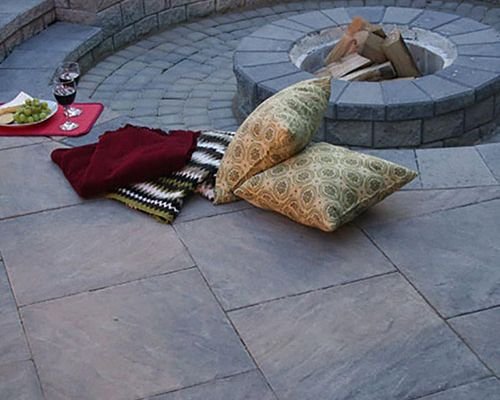
Looking Ahead: Embracing Innovation and Sustainability in Toronto’s Landscape Design Future
As Toronto continues to grow and evolve, so do the opportunities for creating outdoor spaces that are both beautiful and sustainable. The core principles of blending aesthetic appeal with ecological responsibility remain essential in designing yards that not only look good but also stand the test of time. Native plants, water-efficient features, and eco-friendly materials are transforming ordinary properties into resilient ecosystems that support local biodiversity and require less upkeep. Keeping abreast of emerging practices and technological innovations ensures landscape designs stay relevant and adaptable to the city’s changing climate and community needs.
Looking ahead, smart landscaping solutions are gaining popularity, offering ways to incorporate technology for better water and energy management. Automated irrigation systems, sensor-driven lighting, and climate-responsive features make outdoor spaces more sustainable and convenient. Advances in sustainable materials, like biodegradable composites and recycled aggregates, expand options to minimize environmental impact without sacrificing style. As the appreciation for native plants and ecological resilience grows, landscape design will continue shifting towards low-maintenance, natural solutions that thrive in Toronto’s climate.
Personalization is also shaping the future of outdoor design. Homeowners want outdoor retreats that reflect their lifestyles—whether that’s a vegetable garden, a meditation nook, or an entertainment patio. Integrating features such as outdoor kitchens, fire pits, or water elements elevates yards from simple green spaces to versatile, inviting environments. This trend emphasizes flexibility and creativity in planning, ensuring each outdoor area can evolve with the homeowner’s changing priorities and interests.
For professionals, ongoing learning and adaptation are vital. Participating in industry workshops, exploring new materials, and engaging with local environmental initiatives can provide fresh insights into sustainable practices. Incorporating these innovations into projects helps deliver outdoor retreats that are not only visually appealing but also resilient and environmentally responsible. As climate variability increases, prioritizing resilient design strategies becomes crucial for creating landscapes that endure and continue to satisfy.
Every project in Toronto has the potential to contribute positively to the environment when rooted in sustainable principles. From supporting pollinators through native plantings to managing stormwater with permeable surfaces, each thoughtful decision enhances the city’s ecological fabric. As homeowners and designers deepen their commitment to sustainability, their collective efforts can foster healthier neighborhoods and more resilient ecosystems. This ongoing dedication shapes Toronto’s outdoor spaces into vibrant, eco-conscious havens for generations.
Creating outdoor retreats that combine beauty with sustainability isn’t a one-time effort but an ongoing journey. Embracing emerging trends and best practices allows landscape professionals to transform Toronto’s outdoor environments into inspiring, eco-friendly destinations. These efforts not only boost property value and enhance quality of life but also set a responsible example for urban living. The future of landscape design in Toronto looks promising, driven by innovation, care, and a shared commitment to harmony between aesthetics and the environment.