In a world dominated by digital distractions, can the simple act of gardening together unlock deeper emotional bonds and healing? This compelling exploration reveals how shared outdoor activities—whether tending vegetables, flowering plants, or community green spaces—serve as powerful catalysts for connection, trust, and resilience. From historical traditions across cultures to modern urban initiatives, gardening has long been a universal language of cooperation and care. Engaging in these routines fosters patience, open communication, and shared pride, transforming routine chores into meaningful rituals. As technology and innovative practices expand accessibility, the potential for gardening to nurture mental well-being and community cohesion grows even greater. Could planting seeds and working side-by-side be the antidote to digital alienation? This heartfelt reflection invites readers to consider how tending the soil together not only cultivates plants but also fosters lasting relationships, offering hope for a more connected, compassionate future.
Rediscover Connection Through Shared Gardening in a Digital Age
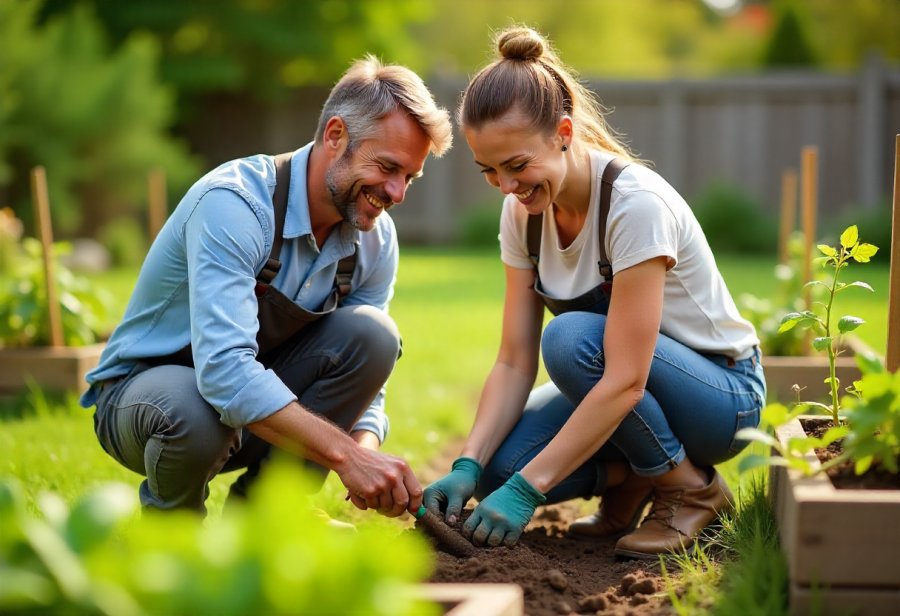
In our busy, screen-filled lives, it’s easy to forget the simple joy of genuine human connection. We scroll through feeds, respond to endless notifications, and often feel more isolated despite being constantly connected. Amid this digital noise, gardening offers a refreshing escape—an act that encourages us to slow down and be present. When we work alongside someone in a shared outdoor space, whether planting seeds or watering blooms, we tap into a natural rhythm that fosters cooperation and mindfulness. These moments of tending together create a space where conversations flow more easily and bonds deepen naturally.
Gardening isn’t just about growing plants; it’s about nurturing relationships. The physical effort involved—pressing soil, trimming leaves, harvesting produce—becomes a shared experience that builds trust and patience. These activities open doors to meaningful dialogue and mutual achievement, transforming routine chores into bonding rituals. Over time, working side by side in the garden can turn into a meaningful tradition, helping us reconnect emotionally with loved ones and friends in a way that digital interactions often can’t replicate.
Throughout history and across cultures, group gardening has served as a powerful social connector. From harvest festivals to community plots, these shared efforts foster trust, cooperation, and a sense of belonging. In many societies, tending the land together has been a way to strengthen community ties—whether through cooperative farming or local traditions—highlighting how outdoor work naturally encourages communication and mutual support. Today’s urban gardens and neighborhood green spaces continue this legacy, providing modern platforms for connection and emotional healing.
In our increasingly urbanized world, the practice of gardening has evolved but its core purpose remains the same. Cities around the globe are transforming vacant lots into vibrant community gardens, where diverse groups work together and share experiences. Even small balcony herb gardens or backyard plots become spaces for families and friends to connect, teach, and learn from one another. These shared acts of care and cultivation help us break down social barriers, fostering a sense of community and emotional resilience amid the hustle of modern life.
Ultimately, tending a garden together reminds us that connection begins with simple acts of care. In a world where digital interactions often feel superficial, working side by side in nature offers a grounding experience that nurtures trust, patience, and understanding. It’s in these shared moments—planting, watering, harvesting—that we rediscover the power of human connection, proving that sometimes, the most meaningful relationships grow from the soil up.
Uncovering the Deep Roots of Gardening as a Bonding Tradition
Gardening has long been more than a solitary pursuit; it’s deeply rooted in the fabric of community life across cultures and eras. Historically, shared gardening activities like planting festivals, harvest celebrations, and communal plots weren’t just about producing food—they were vital social events that fostered trust, cooperation, and a sense of belonging. These gatherings turned work into celebration, creating spaces where stories, traditions, and support were exchanged, strengthening bonds that could last generations.
In many societies, group gardening served as a cornerstone for resilience and social cohesion. Rural villages and indigenous communities often relied on collective farming or communal gardens, viewing these efforts as rituals that built relationships and cultural identity. Harvest festivals, for example, transformed labor into shared joy, emphasizing teamwork and mutual dependence. These traditions didn’t just nurture crops—they nurtured social fabric, weaving connections through shared purpose and effort.
Examples from Africa, Japan, and Europe illustrate how collective gardening has historically reinforced social ties. In Africa, communal farming created networks of mutual reliance, while Japan’s rice terraces required generations of coordinated effort, fostering teamwork and cultural pride. European traditions of family gardens and allotments encouraged neighbors to swap knowledge and produce, cultivating local trust and friendship. These practices reveal that outdoor work naturally stimulates cooperation, communication, and a collective sense of responsibility.
Today’s community gardens and urban farms continue this legacy, transforming city landscapes into vibrant hubs of connection. These green spaces are more than just places to grow food—they’re venues for social interaction, breaking down barriers and fostering a sense of belonging among diverse groups. Scientific studies show that participating in group gardening reduces stress, enhances trust, and strengthens community bonds. Even in bustling urban environments, tending to plants together remains a powerful way to reinforce social ties.
Beyond practicality, shared gardening nurtures cultural continuity. Families pass down stories and skills through generations, turning simple acts like planting or harvesting into meaningful rituals. Neighborhood plots become gathering spots where social barriers fade and friendships flourish alongside the plants. These traditions remind us that working outdoors side by side taps into our innate social instincts—cooperation, patience, and shared responsibility—making gardening a timeless act of connection.
In essence, the roots of group gardening run deep, spanning history and geography. They show us that tending the land together is more than a task; it’s a universal language of care and community. These shared efforts create a foundation for trust and resilience, proving that even in a modern, digital world, the act of working side by side in nature continues to build meaningful relationships and strengthen social bonds.
Modern Gardens: Cultivating Community and Emotional Well-Being Today
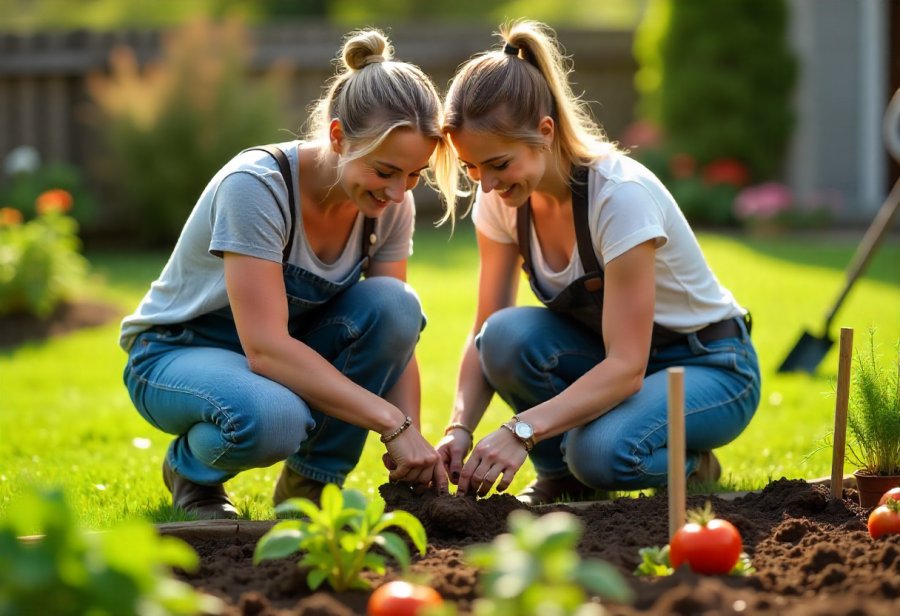
Today, gardening looks quite different from traditional practices, shaped by urbanization and technological innovation. Cities worldwide are transforming vacant lots, rooftops, and even small balconies into lively green spaces. These urban gardens serve as more than just growing areas—they become social hubs where neighbors come together, share tools, and build relationships. Whether it’s a community plot or a window box, these small acts of cultivation turn routine routines into meaningful moments of connection.
Across cultures, the ways we garden reflect unique traditions, yet the underlying goal remains the same: shared effort fosters emotional bonds. In Japan, rice terraces demand generations of coordinated work, cultivating teamwork and cultural pride. In Africa, communal farming and harvest festivals promote mutual reliance and social cohesion. European countries often feature family gardens and allotments where neighbors swap tips and produce, creating local networks rooted in trust. These examples show that tending plants together naturally taps into our social instincts—cooperation, communication, and shared responsibility.
The rise of community gardens and urban farms highlights how gardening has regained its role as a powerful social activity. Cities around the globe are converting vacant spaces into green sanctuaries, where diverse groups collaborate on planting, watering, and harvesting. These efforts do more than produce food—they foster social interaction, break down barriers, and build a sense of belonging. Research confirms that participating in group gardening reduces stress and nurtures feelings of trust and community, even amid the hustle of city life.
Families are also turning to gardening as a way to connect. Creating a vegetable patch or flower garden together transforms everyday chores into bonding rituals. Kids learn patience and responsibility as they help plant seeds, while parents enjoy slowing down and sharing simple pleasures. These moments not only nurture plants but also strengthen emotional ties and create lasting memories rooted in teamwork and care. Even small spaces can become foundations for deeper connections when approached with shared purpose.
Innovations in tools and techniques further support these collaborative efforts. Dividing tasks based on individual strengths or using digital planning apps keeps everyone engaged. Celebrating seasonal milestones—like blooms or harvests—adds excitement and reinforces teamwork. When everyone feels involved and valued, gardening turns from a solitary activity into a shared journey that cultivates patience, trust, and open communication.
Modern gardening also benefits from technological advances that broaden accessibility. Virtual communities, online sharing platforms, and digital storytelling connect people across distances, allowing shared experiences beyond physical boundaries. These tools help democratize gardening, making it a universal activity that fosters belonging regardless of location. Urban planning increasingly incorporates green spaces designed for community gardening, creating accessible places where groups can gather, learn, and heal together.
In today’s fast-paced world, these evolving practices demonstrate that gardening remains a vital way to nurture emotional well-being. Whether in a backyard, balcony, or community plot, tending to plants together offers a simple but profound path to connection. It reminds us that, even amid digital distractions, shared effort and care can strengthen bonds—one seed, one watering can, one harvest at a time.
Turning Gardening into Bonds: Practical Ways to Grow Together
Sharing a garden isn’t just about growing plants; it’s about creating meaningful moments that deepen bonds and boost emotional well-being. When people work together—whether a couple tending vegetables, a family caring for flowers, or friends managing a shared plot—they develop teamwork, communication, and mutual support. Simple strategies like dividing tasks based on strengths or using shared planning tools can make the experience more enjoyable and inclusive, turning gardening into a collaborative joy rather than a chore.
These small acts of cooperation have a powerful ripple effect. Planting seeds side by side, watering in unison, or harvesting together become opportunities to connect through shared effort and pride. Celebrating milestones like a thriving crop or a burst of blooms can reinforce positive feelings and foster a sense of collective achievement. Approaching gardening mindfully, with an eye toward teamwork, transforms it from a solitary activity into a bonding ritual that nurtures trust and patience.
For couples, gardening can serve as a calming routine that encourages patience and open dialogue. Families benefit from turning gardening into educational moments, teaching children responsibility and nurturing skills while creating lasting memories. Friends often find that regular garden days become a chance to catch up, share tips, and exchange produce, strengthening their relationships through collaboration. These shared experiences provide a sense of belonging that’s often missing in our busy digital lives.
Using the right tools and approaches enhances these benefits. Clear roles within the garden, setting shared goals, and celebrating seasonal milestones like planting or harvest days turn routine chores into meaningful rituals. When everyone feels involved and appreciated, gardening becomes a shared journey—one that cultivates not just plants, but also resilience, patience, and mutual trust. This collective effort transforms outdoor care into a consistent act of emotional nurturing, enriching relationships in subtle but profound ways.
Modern innovations further support these connections. Digital planning apps, virtual gardening communities, and online sharing platforms make it easier to engage and learn from one another, crossing geographical barriers. Community gardens and urban green spaces are increasingly designed to foster social interaction, providing accessible places where groups can gather, learn, and heal together. These spaces turn gardening into a tool for social cohesion, helping to break down barriers and build stronger, more connected communities.
By embracing shared gardening as a regular practice, we tap into a simple yet powerful way to nurture emotional health. Whether in small backyard plots or community spaces, tending plants together offers a gentle act of care that strengthens trust, patience, and understanding. These acts of growth—both of plants and relationships—remind us that the most meaningful bonds often flourish when rooted in shared effort, patience, and care. In times of digital overload, a little dirt and shared purpose can go a long way toward building a more connected, resilient life.
Planting a Future of Healing: The Promise of Gardening for Emotional Resilience
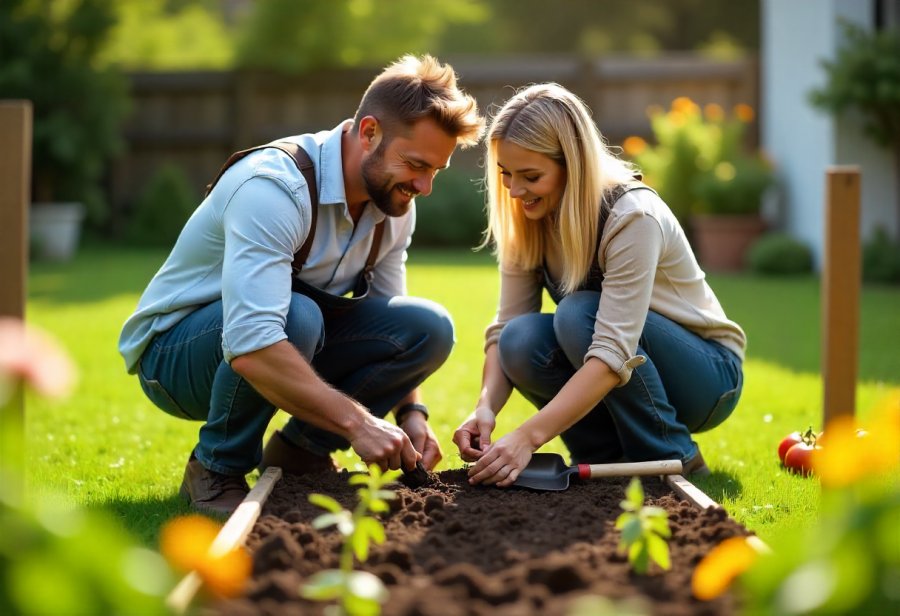
Looking ahead, the potential for shared gardening to foster emotional healing and strengthen bonds continues to expand. As awareness of nature’s restorative power grows, innovative approaches are emerging to make gardening more accessible and impactful for diverse communities. Therapeutic gardens, urban greening initiatives, and community-led projects are creating new opportunities for people to reconnect outdoors, regardless of space or background. These efforts not only support mental well-being but also promote social cohesion, especially in increasingly busy, digital-driven societies.
Advances in personalized horticultural therapy and community-based programs are helping tailor gardening experiences to meet specific emotional needs. By customizing plant choices, environments, and collaborative methods, these activities can deepen their healing potential. Future research might focus on identifying which plants, settings, or group dynamics yield the most benefit for different individuals or emotional challenges, making gardening a precise tool for mental health support.
Technology also offers promising pathways to broaden access and foster connection. Virtual gardening communities, online sharing platforms, and digital storytelling tools enable people to share experiences across distances, strengthening bonds even when face-to-face interaction isn’t possible. These innovations help democratize gardening, making it an inclusive activity that nurtures a sense of belonging beyond physical boundaries. Hybrid models combining digital engagement with local green spaces could maximize emotional benefits and community participation.
Urban planning will play a key role in future developments, integrating green spaces designed specifically for collective gardening and emotional well-being. Parks, rooftops, and pocket gardens can serve as accessible retreats where groups gather, learn, and heal together. These spaces may host workshops, planting sessions, and social events, constantly nurturing community resilience through shared outdoor activity. As cities prioritize mental health and social cohesion, these green hubs could become vital anchors for connection and recovery.
Throughout this evolving landscape, the act of tending a garden together remains a powerful symbol of growth, patience, and mutual care. It offers a tangible, calming act that anchors us in human connection amid digital chaos. By planting seeds—literally and metaphorically—we nurture not only plants but also the relationships that sustain us. As we continue to explore and expand these practices, gardening stands out as a timeless, adaptable tool for healing and building resilient communities, promising a more connected and compassionate future.