Learning to ride a bike embodies more than just a skill—it’s a profound journey of courage, resilience, and family bonds. As children wobble and fall, they discover patience and trust, transforming fear into freedom. But does the fear of falling outweigh the thrill of independence? This evocative process, supported by gentle guidance and positive reinforcement, reveals how small victories build confidence that lasts a lifetime. Experts emphasize breaking skills into manageable steps, celebrating progress, and creating safe environments to foster resilience. Each wobble and stumble becomes a stepping stone toward mastery and self-trust. Are setbacks merely obstacles, or are they integral to growth? With perseverance and support, the journey from hesitant beginners to confident riders becomes a powerful metaphor for embracing life’s challenges. Ultimately, this experience teaches us that persistence, patience, and encouragement unlock the joy of independence—if we dare to take that first pedal stroke.
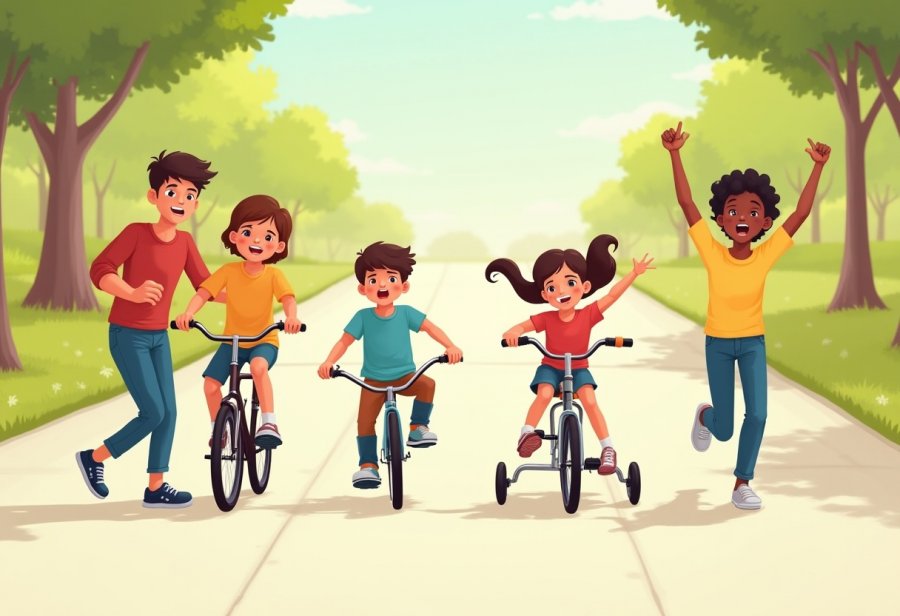
Discover the Power of Learning to Ride: A Journey of Courage and Independence
Learning to ride a bike is more than just picking up a new skill; it’s a milestone that captures the essence of courage, independence, and the bonds we share with family. For many, it’s the moment when reliance turns into self-reliance, opening the door to new adventures and a sense of freedom. Watching a child wobble on two wheels for the first time, teeth gritted with determination, is a powerful symbol of overcoming fears and embracing challenges. Those small victories—whether they’re a few steady pedals or a wobbly balance—become moments of pride that stay with us for years.
This experience often becomes a shared family memory. Parents and siblings gather on the sidelines, offering gentle guidance, words of encouragement, and applause for every effort. These moments of support not only help children learn but also strengthen emotional bonds, turning a simple lesson into a treasured family ritual. As kids learn to steer, pedal, and balance, they’re also discovering resilience—learning that setbacks are part of the process and that persistence pays off.
Riding a bike isn’t just about physical movement; it symbolizes growth and the big step toward independence. Each wobble or fall is a lesson in patience and trust—teaching that mistakes are opportunities to learn rather than failures to fear. When a child finally takes off on their own, the feeling of liberation is undeniable. It’s a small taste of freedom that fuels confidence and encourages them to keep pushing forward, both on and off the bike.
The journey to mastering riding can be intimidating, especially with fears of falling or injury. But these fears are natural and manageable—and often less daunting than they seem. With the right support, safe environments, and a focus on small, achievable goals, children learn that falling is just part of the process. Overcoming these hurdles builds resilience and helps them develop a positive mindset that can carry over into other areas of life.
Ultimately, learning to ride is about more than just balancing on two wheels. It’s about trusting oneself, embracing risks, and celebrating progress, no matter how small. It’s a process that transforms hesitation into confidence and fear into excitement. With patience, encouragement, and a bit of perseverance, this journey becomes a memorable chapter in growing up—one that teaches lessons that last a lifetime.
Overcoming Fears and Misconceptions in Learning to Ride
Learning to ride a bike often comes with a handful of fears and misconceptions that can make the process seem more daunting than it really is. Many beginners worry about falling or hurting themselves, and those worries can lead to hesitation or even avoidance. It’s natural to feel nervous—no one wants to tumble or get injured, especially when trying something new. But letting fear take over can become a barrier that prevents progress. Recognizing that falls are part of learning helps shift the perspective from avoiding mistakes to managing them safely.
Another common myth is that riding is an impossible feat for certain ages or body types. Some believe only kids can learn or that adults are too old to pick it up. That’s simply not true. People of all ages can learn to ride with patience and practice. Expecting to master balance immediately sets unrealistic expectations. In reality, balance develops gradually over time, and rushing the process often leads to frustration. Each attempt, no matter how shaky, is a step forward.
Technical challenges like steering, pedaling, and maintaining balance can initially feel overwhelming. New riders often get caught up trying to do everything perfectly, which can shake their confidence. Breaking these skills into smaller, manageable steps makes a big difference. For instance, focusing first on balancing, then introducing steering, and finally combining everything with pedaling helps keep the experience manageable and less intimidating.
The fear of losing control is another hurdle many face. Wobbles and falls evoke anxiety that can freeze progress. Support tools like training wheels or practicing on soft surfaces such as grass are helpful, especially in the beginning. These options reduce the risk of injury and help new riders feel more secure. As confidence builds, they can gradually transition to harder surfaces and ride more independently, turning anxiety into assurance.
Addressing these fears isn’t just about technical adjustments—it’s about mindset. Support from family, friends, or instructors plays a key role. Celebrating small wins, like balancing a few seconds or pedaling a short distance, reinforces confidence and encourages perseverance. Normalizing falls and mistakes as part of the learning process helps reduce anxiety, making setbacks feel like natural steps rather than failures.
Rushing through the steps or pushing learners too quickly often backfires. It’s better to give each skill—balance, steering, pedaling—time to settle in. Patience and consistent practice foster muscle memory and resilience, which are crucial for building independence. Recognizing progress along the way boosts motivation and keeps the journey enjoyable.
Finally, cultivating a calm, encouraging environment makes a big difference. Proper safety gear, soft surfaces, and gentle guidance help learners feel secure. When they trust that they’re in a safe space, they’re more willing to take risks and try new skills. Overcoming fears takes time, but with the right attitude and support, every wobble and fall becomes part of a rewarding journey toward confidence and independence.
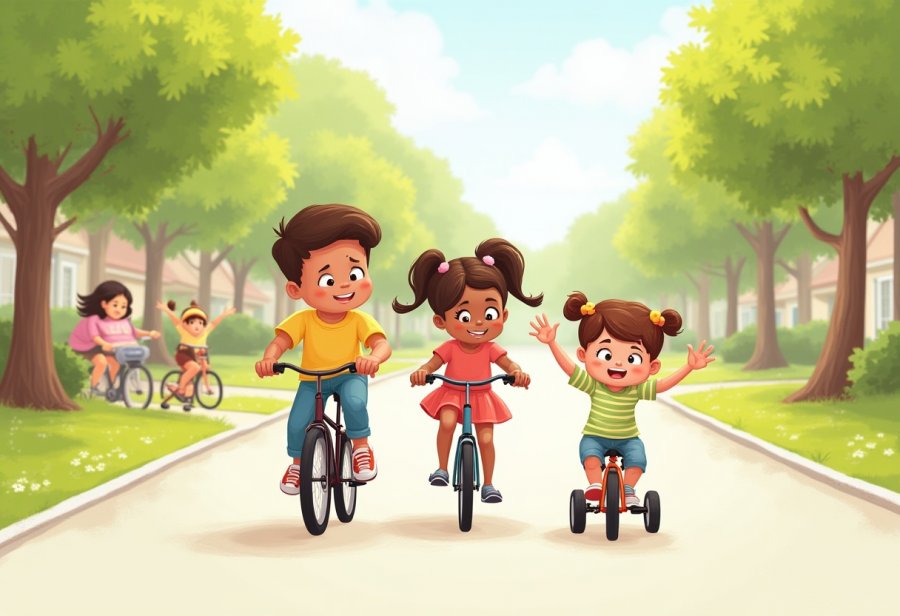
Effective Strategies to Boost Confidence and Achieve Bike Independence
Success in learning to ride a bike depends on practical, step-by-step methods that build confidence gradually. Starting with simple balance exercises—like sitting on the bike and pushing with your feet or using a balance bike—creates a stable foundation. These early steps help riders feel more secure and make it easier to progress to pedaling and steering. Focusing on small, manageable tasks allows learners to master each skill before moving on, keeping motivation high and reducing the risk of feeling overwhelmed.
Creating a positive environment is key. Encouragement, patience, and celebrating small victories—such as balancing a few seconds longer or pedaling a short distance—boost confidence and keep spirits high. Setting realistic goals helps learners see tangible progress, transforming the process into an exciting challenge rather than a frustrating chore. Recognizing these milestones encourages perseverance and makes learning more enjoyable.
Support tools like training wheels or balance bikes can significantly ease the early stages. They lessen the fear of falling and help develop stability, making learners feel safer and more in control. Practicing on soft surfaces, such as grass or padded mats, further reduces injury risks and provides a calmer space for trying new skills. As confidence grows, transitioning to harder surfaces and riding independently becomes less intimidating, paving the way for genuine independence.
Patience remains essential throughout. Rushing through steps or pushing too hard before a rider is ready can cause frustration and setbacks. Giving each skill time to develop—balance first, then steering, then pedaling—ensures steady progress. Short, regular practice sessions reinforce muscle memory and foster resilience, which are vital for building confidence and independence. When achievements are acknowledged, motivation stays strong, encouraging continued effort.
Emotional support from family and friends makes a tangible difference. A calm, encouraging attitude turns setbacks into opportunities for growth. Sharing stories of overcoming fears or celebrating small wins creates a positive atmosphere that motivates learners to keep trying. When learners trust their environment and their support system, they’re more willing to take risks and embrace the learning process.
Finally, remember that learning to ride is about more than just physical skills. It’s a journey that nurtures patience, perseverance, and trust in oneself. Breaking the process into small, achievable steps makes it manageable and rewarding. With consistent practice, a supportive environment, and a focus on progress rather than perfection, anyone can develop the confidence to ride independently and enjoy the freedom it brings.
Expert Tips and Common Pitfalls to Watch Out For
Experts emphasize that patience is the cornerstone of effective bike learning. They recommend starting with simple balance exercises on soft surfaces like grass or padded mats, which help beginners feel secure and reduce the fear of falling. Once comfortable balancing, gradually introducing pedaling and steering in controlled environments prevents overwhelm and builds confidence step by step. Breaking down skills into manageable stages makes progress feel achievable, encouraging learners to focus on mastering each element before moving forward.
Many professionals advise against rushing through the process. Pushing a learner too quickly can lead to frustration or even injuries, which slow down progress and diminish motivation. Instead, they emphasize tailoring techniques to individual paces, whether that means longer use of training wheels or starting on a balance bike. Personalization keeps the experience engaging and reduces anxiety, helping learners stay motivated and confident throughout their journey.
Positive reinforcement plays a vital role in fostering resilience. Celebrating small victories—such as balancing for a few seconds or pedaling a short distance—creates a sense of achievement that encourages continued effort. When riders see tangible progress, they’re more likely to persevere through setbacks. Normalizing falls and mistakes as natural parts of learning helps reduce fear, transforming obstacles into opportunities for growth rather than failures to avoid.
Creating a safe environment is equally important. Proper safety gear like helmets and pads, along with flat, obstacle-free surfaces, minimizes injury risks and boosts confidence. An encouraging, calm attitude from instructors or family members helps learners feel more at ease, making them more willing to take risks and try new skills. Trusting in a secure environment allows riders to push boundaries gradually, fostering independence and resilience.
Avoiding the trap of trying to do too much too soon is a common pitfall. Rushing the stages—balance, then steering, then pedaling—can cause frustration and setbacks. Instead, experts recommend focusing on each skill individually, with patience and regular practice. Recognizing small successes along the way reinforces positive feelings and builds the resilience necessary for sustained progress, ensuring a smoother transition to confident riding.
Ultimately, success hinges on adapting approaches to fit each learner’s needs. Whether starting on a balance bike, practicing on soft surfaces, or providing plenty of encouragement, personalized strategies make all the difference. When technical guidance is combined with emotional support, learners develop not only the physical skills but also the mindset of patience, perseverance, and trust. This balanced approach creates confident riders who enjoy the freedom and joy that come with mastering the bike.
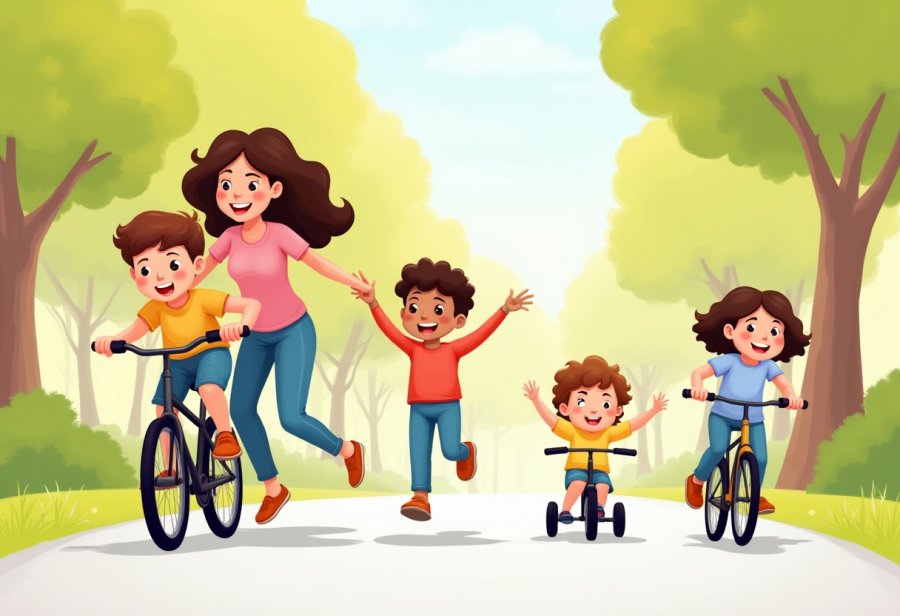
Embrace the Ride: Celebrating Progress and Moving Forward
Learning to ride a bike is more than just acquiring a new skill; it’s a journey of growth, resilience, and independence. Each wobble, fall, and wobble again teaches patience and trust in oneself. As you progress through the stages—from balancing to pedaling and steering—you’re building confidence that extends well beyond the bike. These small victories become stepping stones, fueling motivation and reinforcing that persistence pays off.
The process isn’t about perfection but about steady progress. Every effort, no matter how hesitant, pushes you closer to that exhilarating moment when you’re riding confidently on your own. Celebrating these milestones keeps the experience positive and reminds us that setbacks are simply part of learning. With each stumble, you learn more about your capabilities and develop resilience that will serve you in many areas of life.
Encouragement from family and friends plays a vital role. A supportive environment turns fears into opportunities for growth. When you trust that safety comes first—through proper gear, soft practice surfaces, and gentle guidance—you’re more willing to take risks and try new skills. That trust in your surroundings helps transform anxiety into excitement, making the journey smoother and more enjoyable.
Remember, mastering the bike isn’t just about physical coordination. It’s about cultivating a mindset of patience, perseverance, and self-trust. Focusing on small, achievable goals keeps motivation high and makes the process feel rewarding rather than overwhelming. Every short ride, every balanced moment, is a testament to your dedication and resilience.
As confidence builds, the thrill of independence grows. The initial fears and doubts begin to fade, replaced by a sense of freedom and accomplishment. These feelings aren’t just about riding a bike—they’re about believing in your ability to overcome challenges and embrace new experiences. Each ride becomes a symbol of what you can achieve with persistence and support.
So, take that first pedal stroke today with confidence. Embrace the ups and downs, knowing that every wobble is a step toward mastery. Trust in the process, celebrate your progress, and enjoy the journey of becoming a confident rider. The freedom and joy of riding are waiting—just ahead on the horizon, ready for you to claim.